Read the city
What Bordeaux is
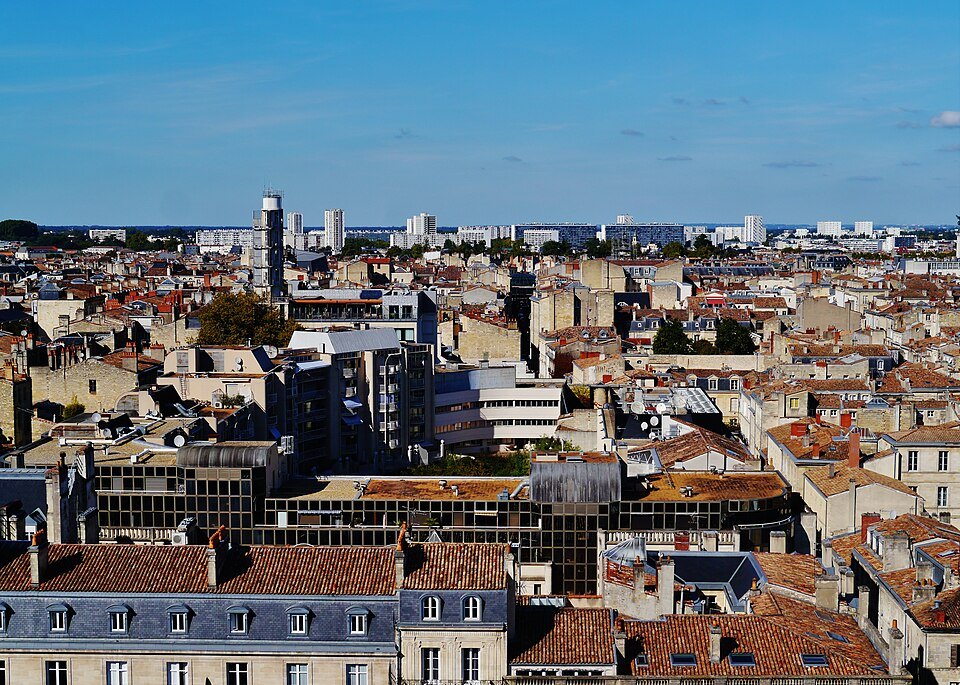
Bordeaux is a port city of about 268,000 people on the Garonne, capital of the Nouvelle-Aquitaine region, some 500 kilometers southwest of Paris. The river makes a wide crescent here, and the medieval harbor on its curve was called the Port of the Moon (the quays). The old city sits on the left bank; the right bank faces it across the water, and the quarters in between are most of where to stay. High-speed trains from Paris take about two hours (getting here), and the center is walkable, with a tram network for the rest (getting around).
What you walk past
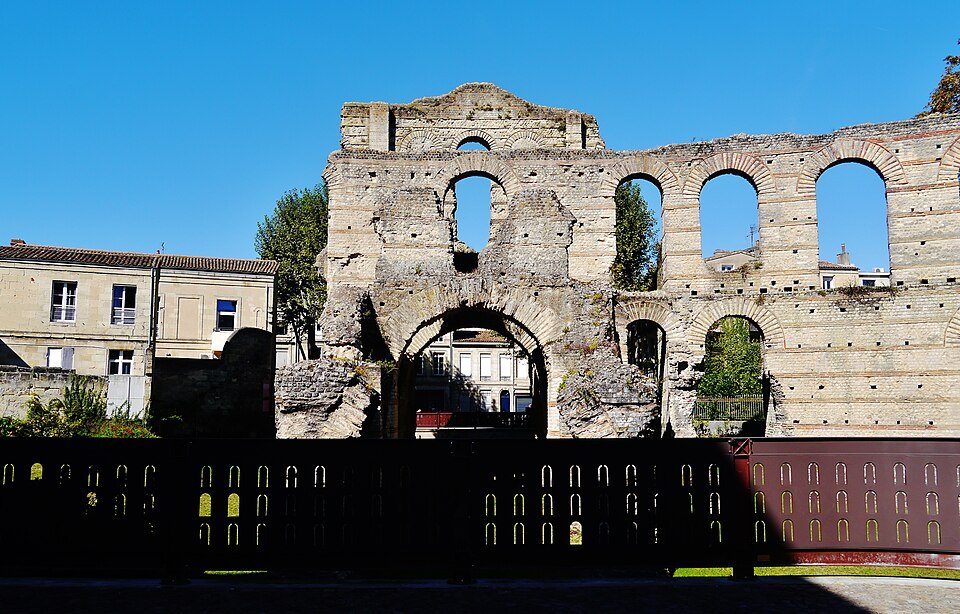
A Celtic tribe, the Bituriges Vivisci, named the town Burdigala, and its Roman amphitheater still stands among townhouses. On 25 July 1137 Eleanor of Aquitaine married the future Louis VII in the cathedral, and through her second marriage the city spent three centuries under the English crown, until the Battle of Castillon in 1453. Its golden age came in the 18th century, when it became France's busiest port and put up as many as 5,000 of the stone buildings that line the quays today. That wealth also came from the Atlantic slave trade, which the Musée d'Aquitaine has documented in its own rooms since 2009. In June 2007 UNESCO inscribed the Port of the Moon on the World Heritage List.
What it is known for
For wine, above all: the city gave its name to one of the world's great wine regions, and the Cité du Vin opened on the river in 2016 (the wine city). For the canelé, a small caramelized cake flavored with rum and vanilla (eating and drinking). Begin with the sights, see what is worth booking ahead, pick a season and an itinerary, and keep a day for the day trips into the vineyards or out to the Atlantic.
- The Esplanade des Quinconces and the Monument aux Girondins
- The Grand Théâtre
- Place de la Bourse
- The Miroir d'Eau
- The Porte Cailhau and Place du Parlement
- The Pont de Pierre
- The Grosse Cloche and Rue Saint-James
- Saint-André Cathedral
- The Pey-Berland Tower
- The Basilica of Saint-Michel and Its Spire
- The Palais Rohan and the Musée des Beaux-Arts
- The Musée d'Aquitaine
- The Jardin Public
- The Palais Gallien
- The Chartrons
- La Cité du Vin
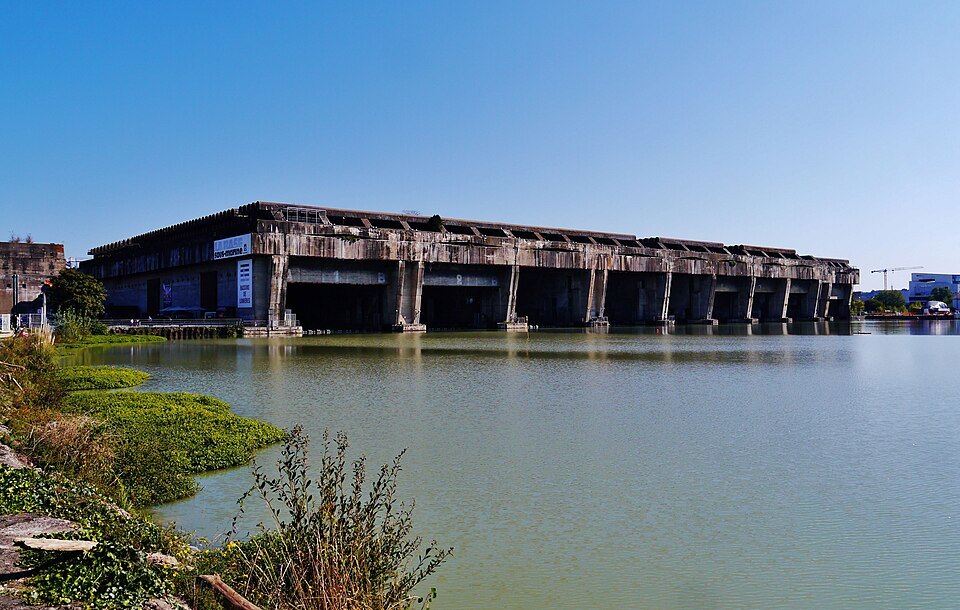
- The Bassins à Flot and the Submarine Base
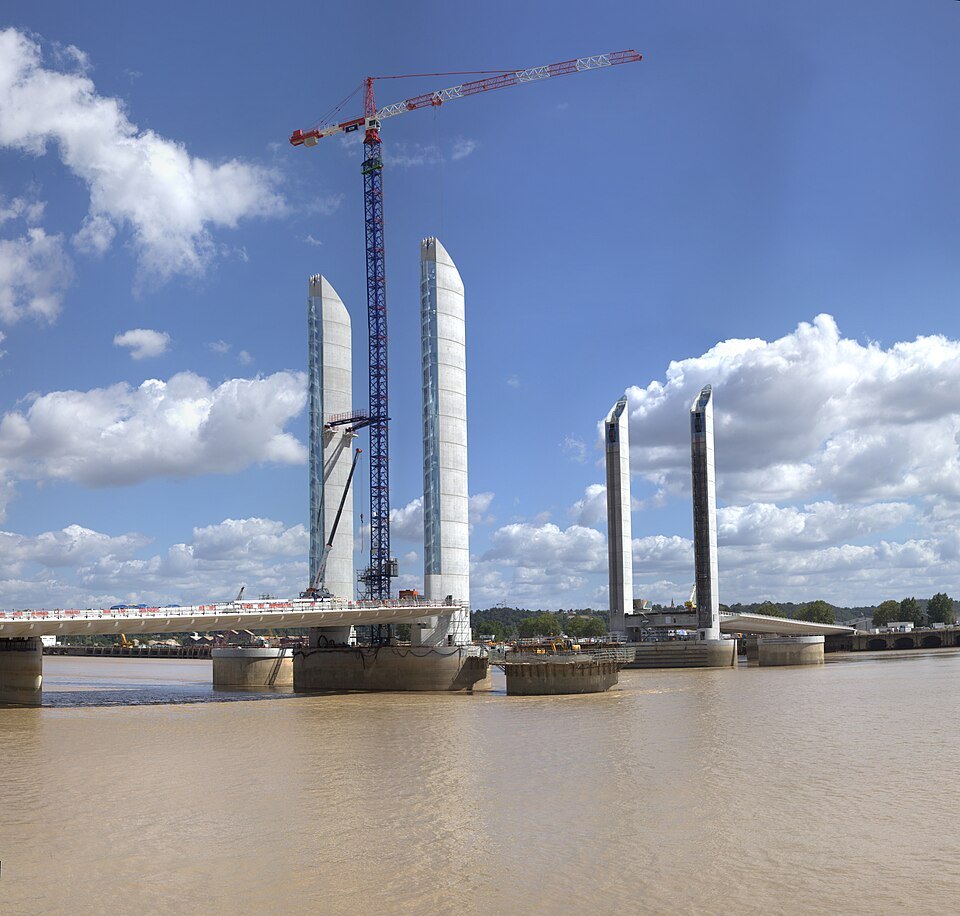
- The Pont Jacques Chaban-Delmas
A walk around the crescent
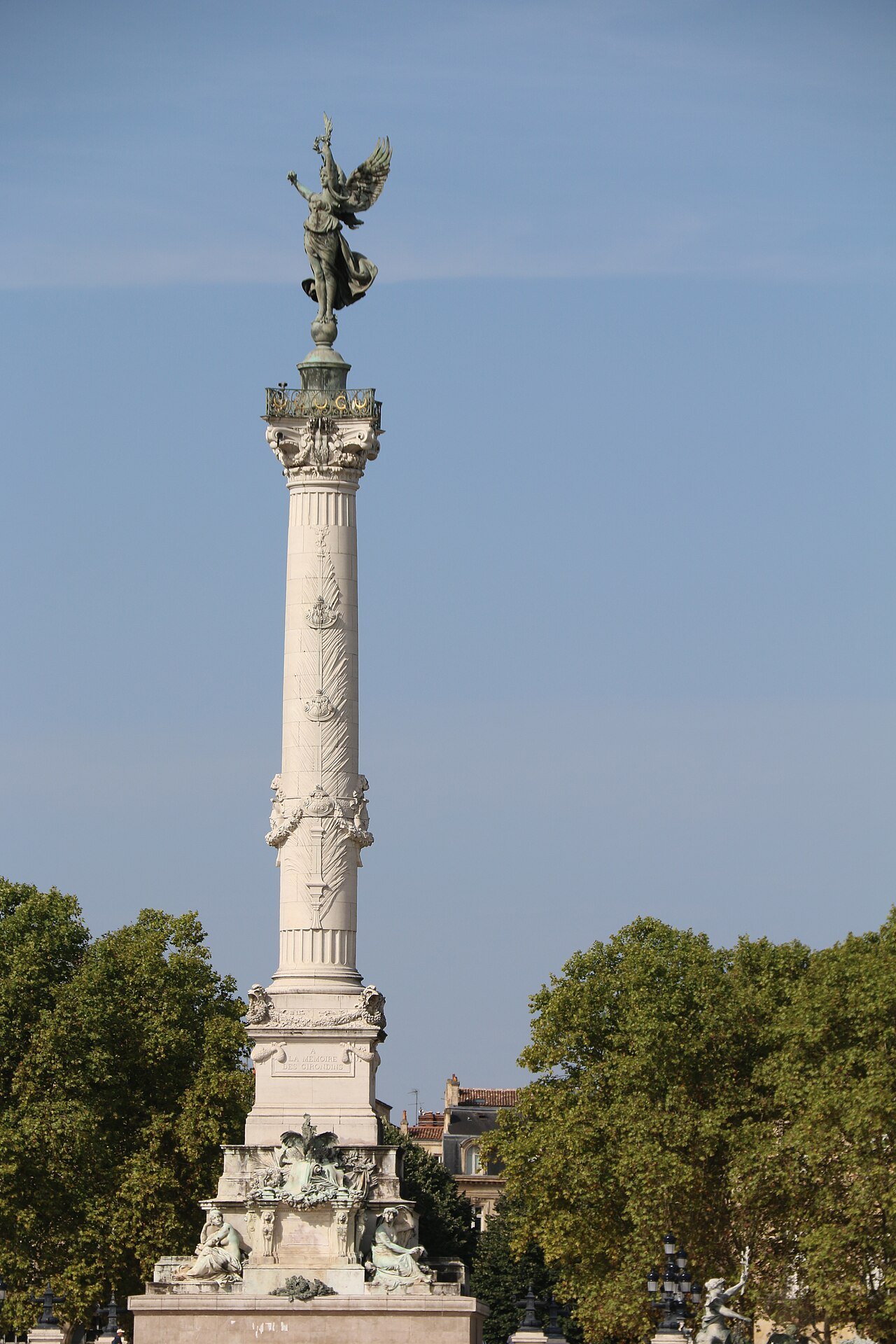
The column of the Monument aux Girondins, with the Spirit of Liberty at its topFrDr, Wikimedia Commons, CC BY-SA 4.0 01The column of the Girondins
Start on the Esplanade des Quinconces, laid out between 1810 and 1828 where the Château Trompette fortress once stood. At twelve hectares it is often called the largest square in France. At its head, the Monument aux Girondins, built between 1894 and 1902, lifts the Spirit of Liberty on a column 43 meters tall.
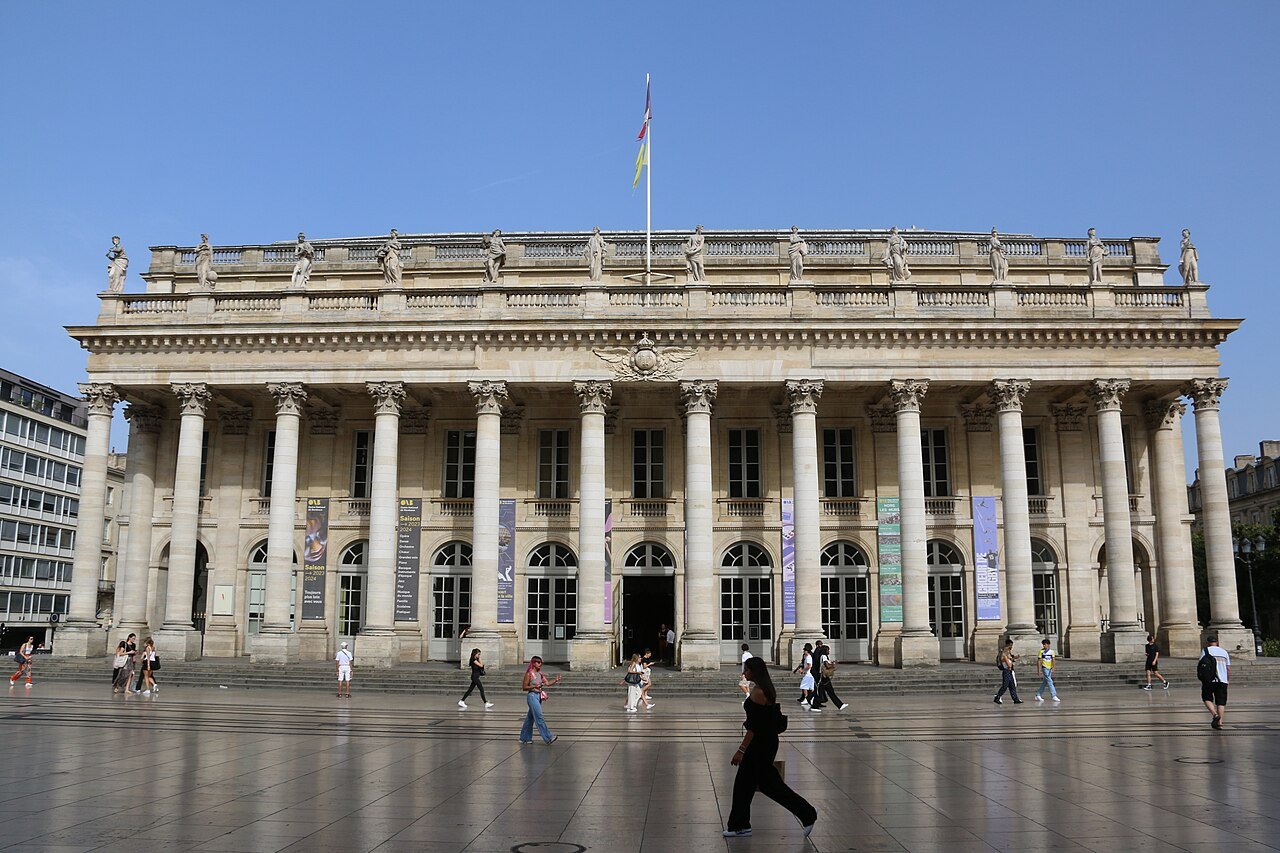
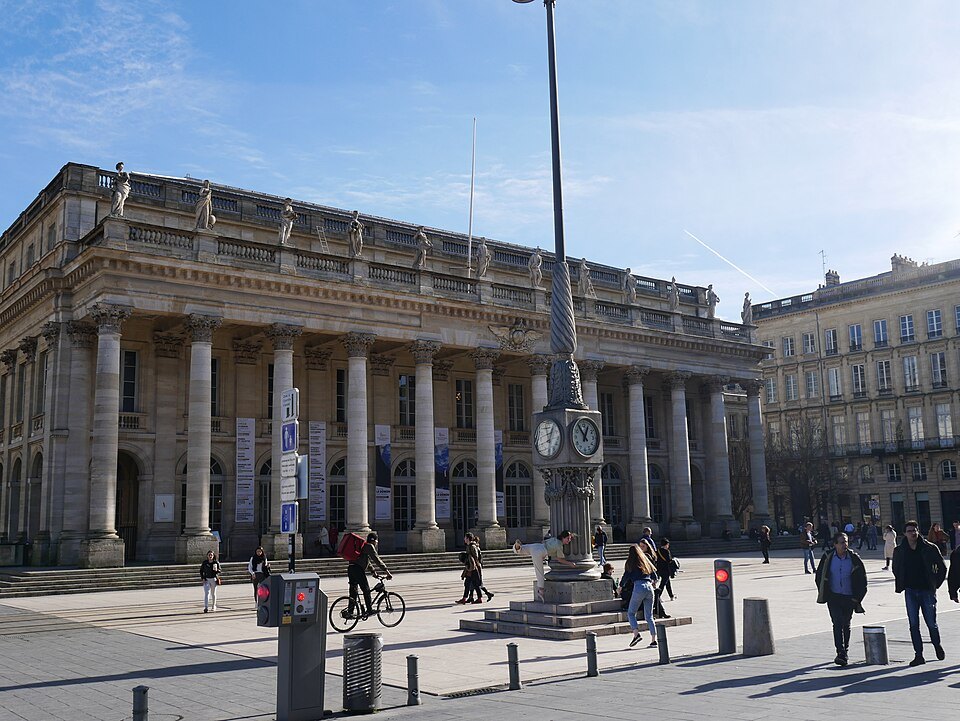
The colonnade of the Grand Théâtre on the Place de la ComédieFrDr, Wikimedia Commons, CC BY-SA 4.0 02Twelve columns and twelve statues
A few minutes south, the Grand Théâtre opened in April 1780. Victor Louis gave it a portico of twelve Corinthian columns, and along the roofline stand twelve statues: the nine Muses with Juno, Venus and Minerva.
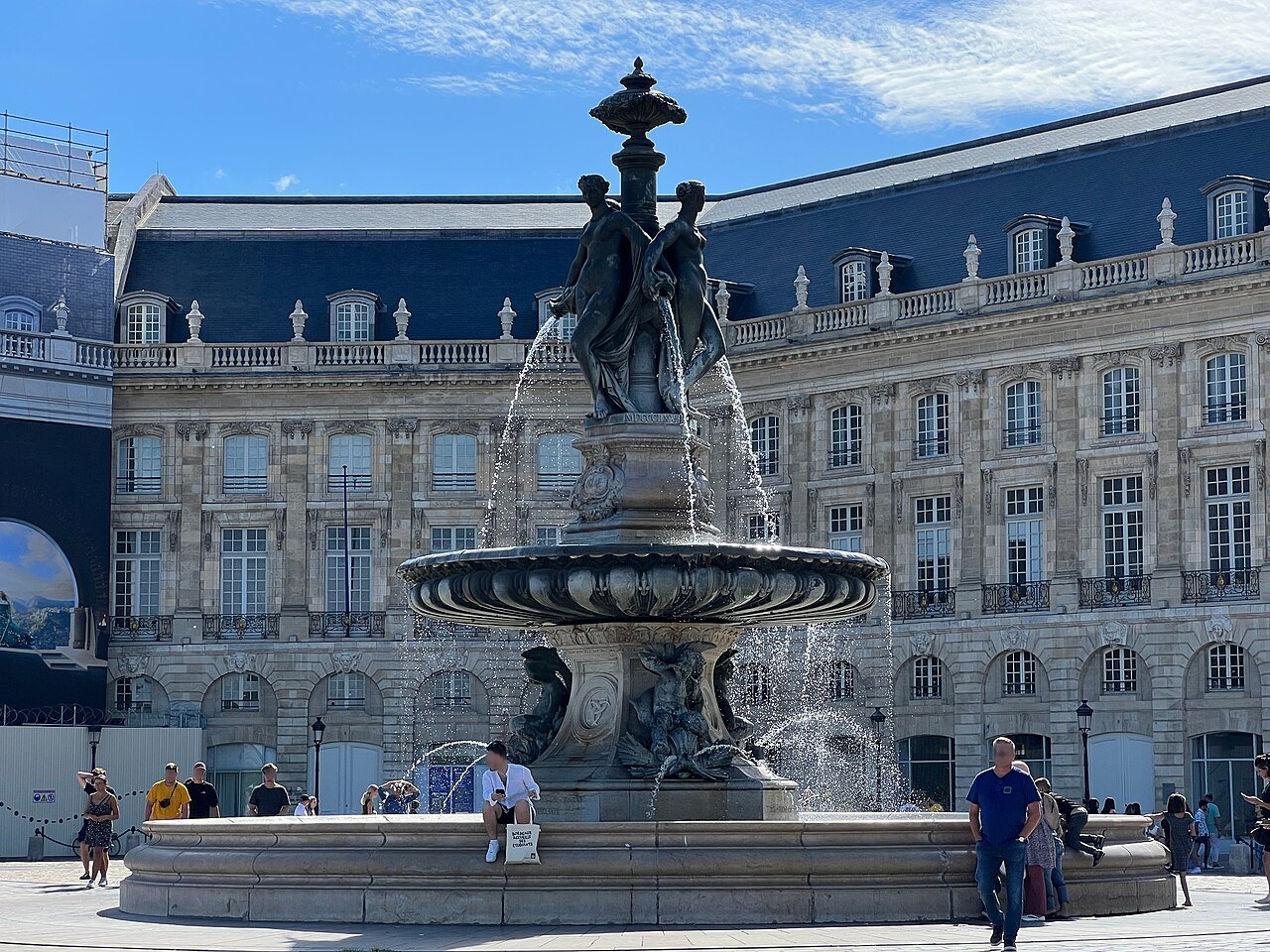
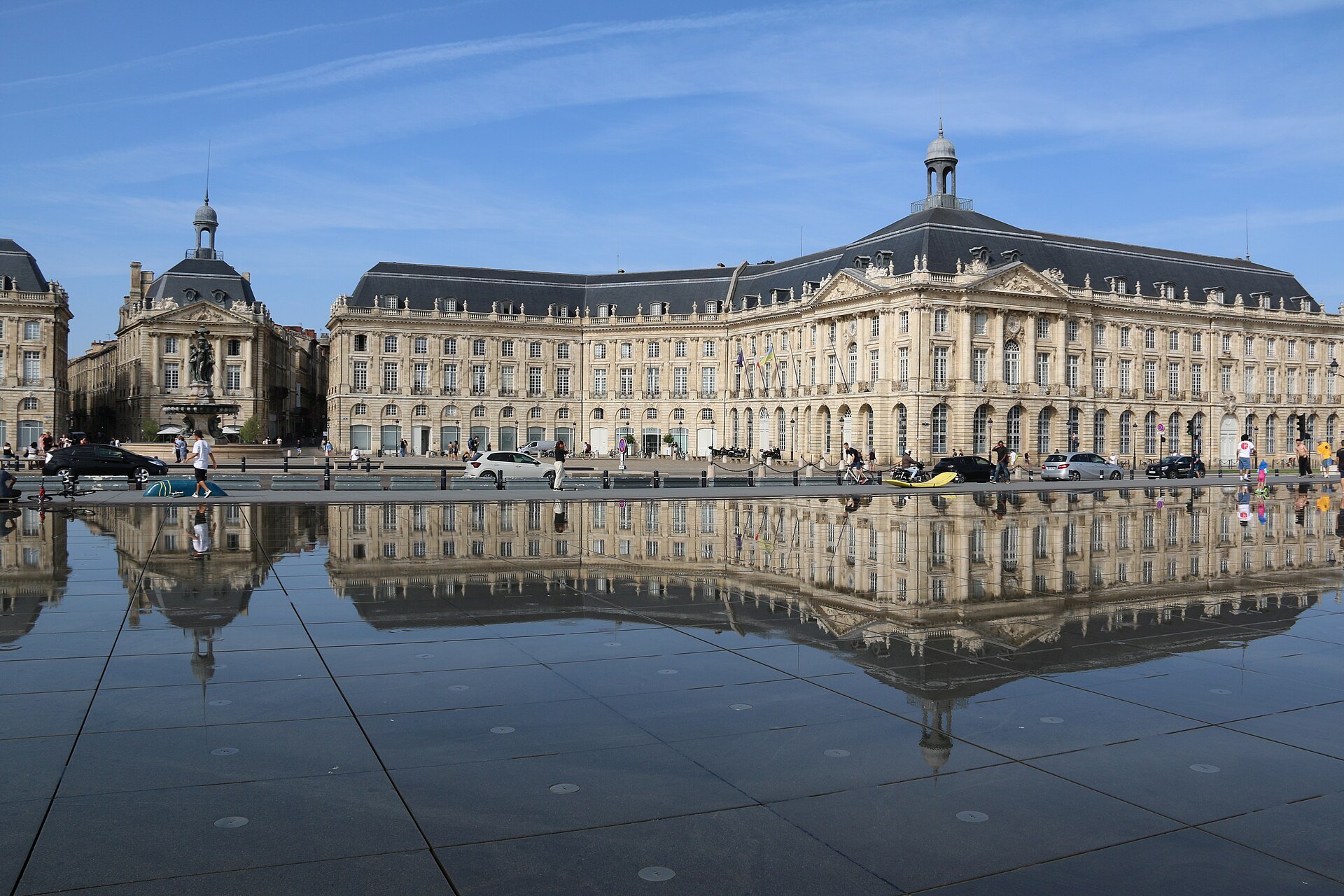
The Fountain of the Three Graces in the Place de la BourseChabe01, Wikimedia Commons, CC BY-SA 4.0 03The square that faces the river
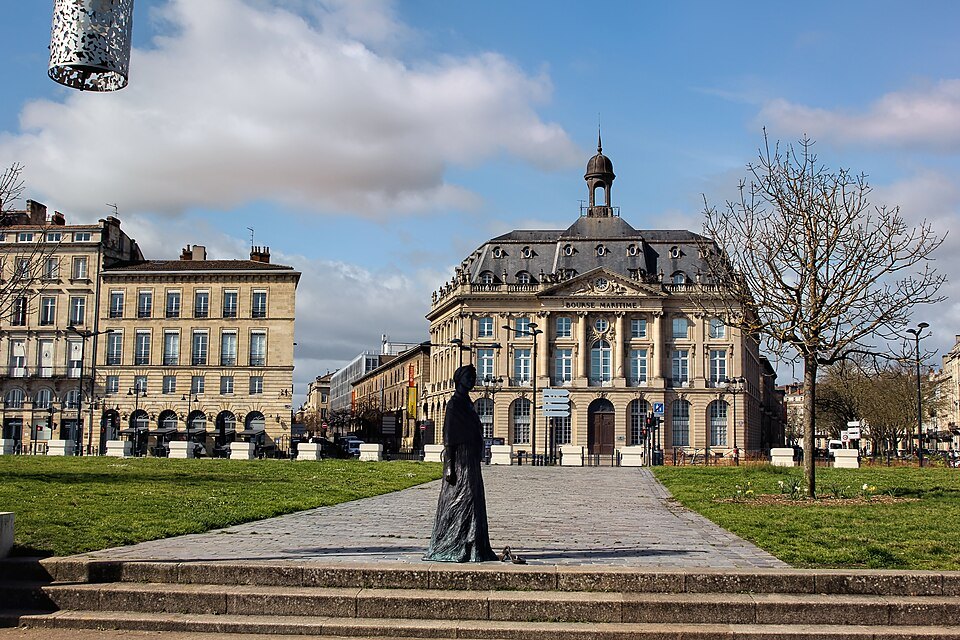
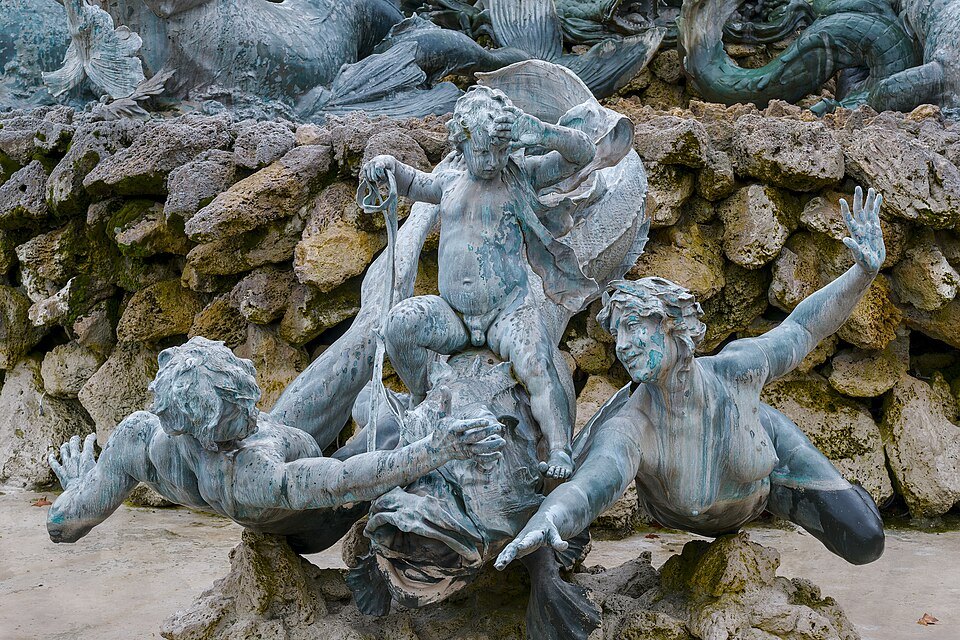
Walk down to the water. The Place de la Bourse was built between 1730 and 1755 by the king's architects, Jacques Gabriel and his son Ange-Jacques, and opened the old walled city to the river. The fountain of the Three Graces at its center dates from 1869.
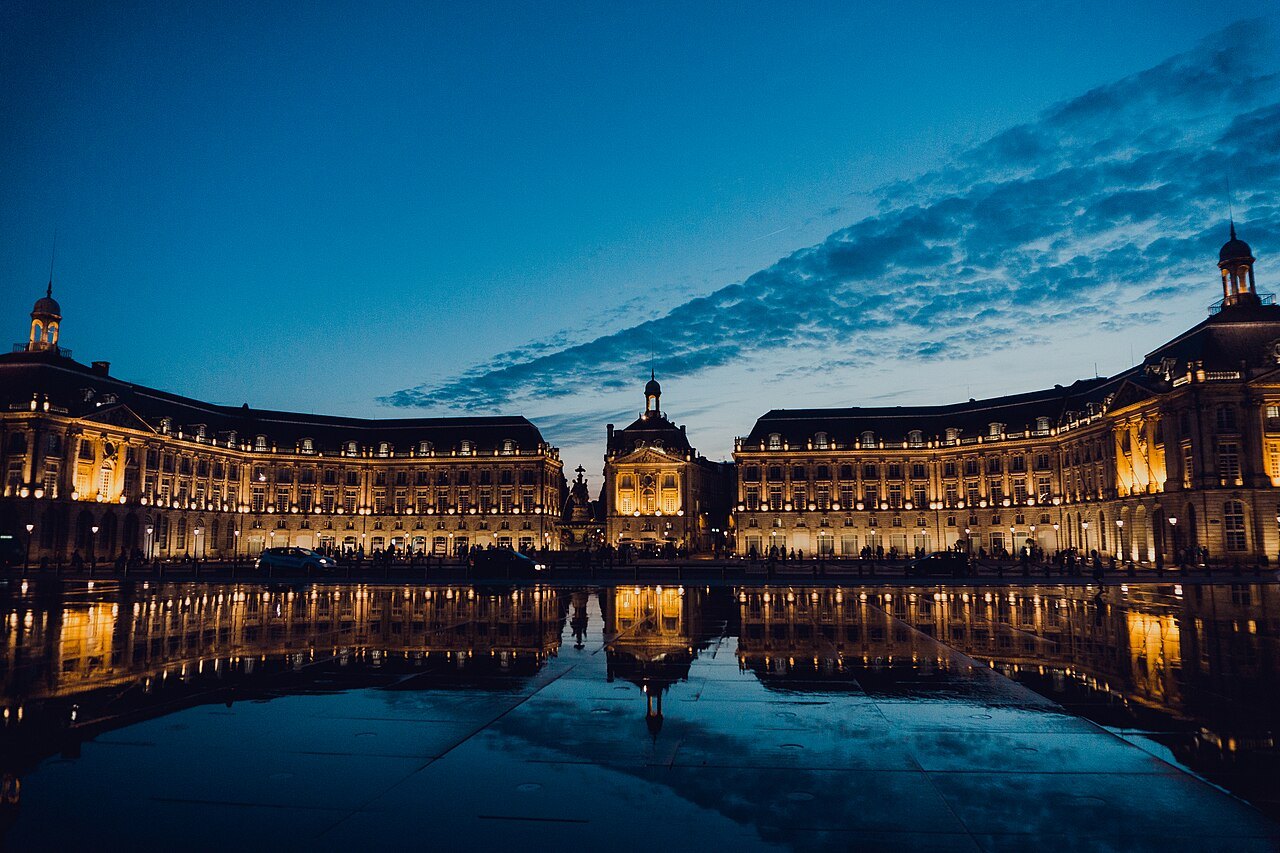
The Place de la Bourse at dusk, doubled in the Miroir d'EauJuan Di Nella juandinella, Wikimedia Commons, CC0 04The mirror on the quay
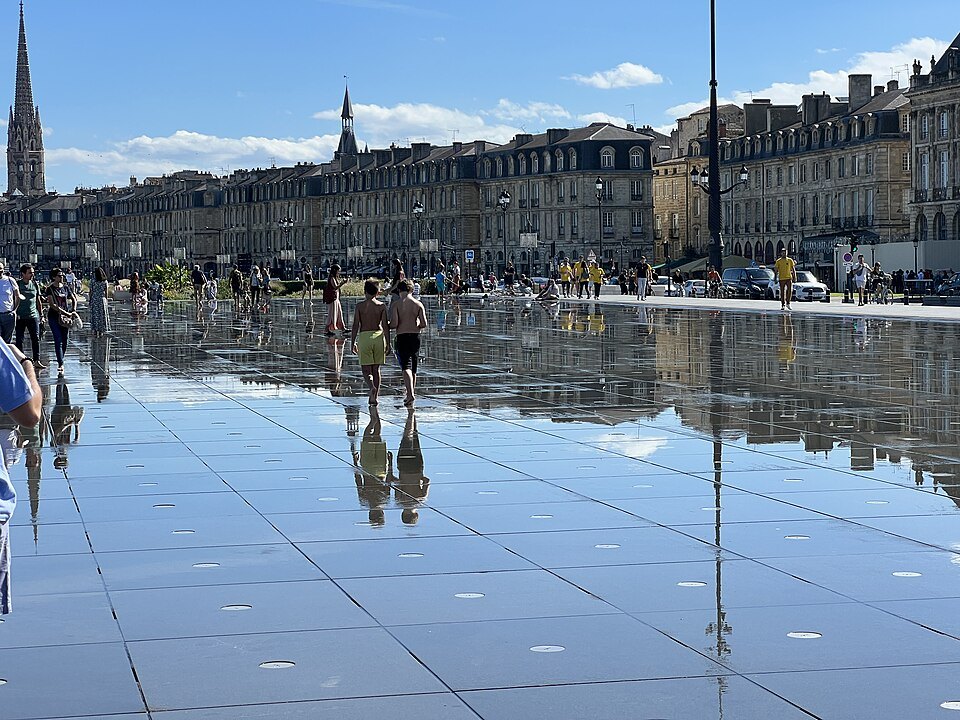
Across the tramlines lies the Miroir d'Eau, in use since 2006. A film of water about two centimeters deep on granite slabs covers 3,450 square meters and doubles the Bourse; then it drains, and a mist rises in its place. It is switched off each winter against the frost.
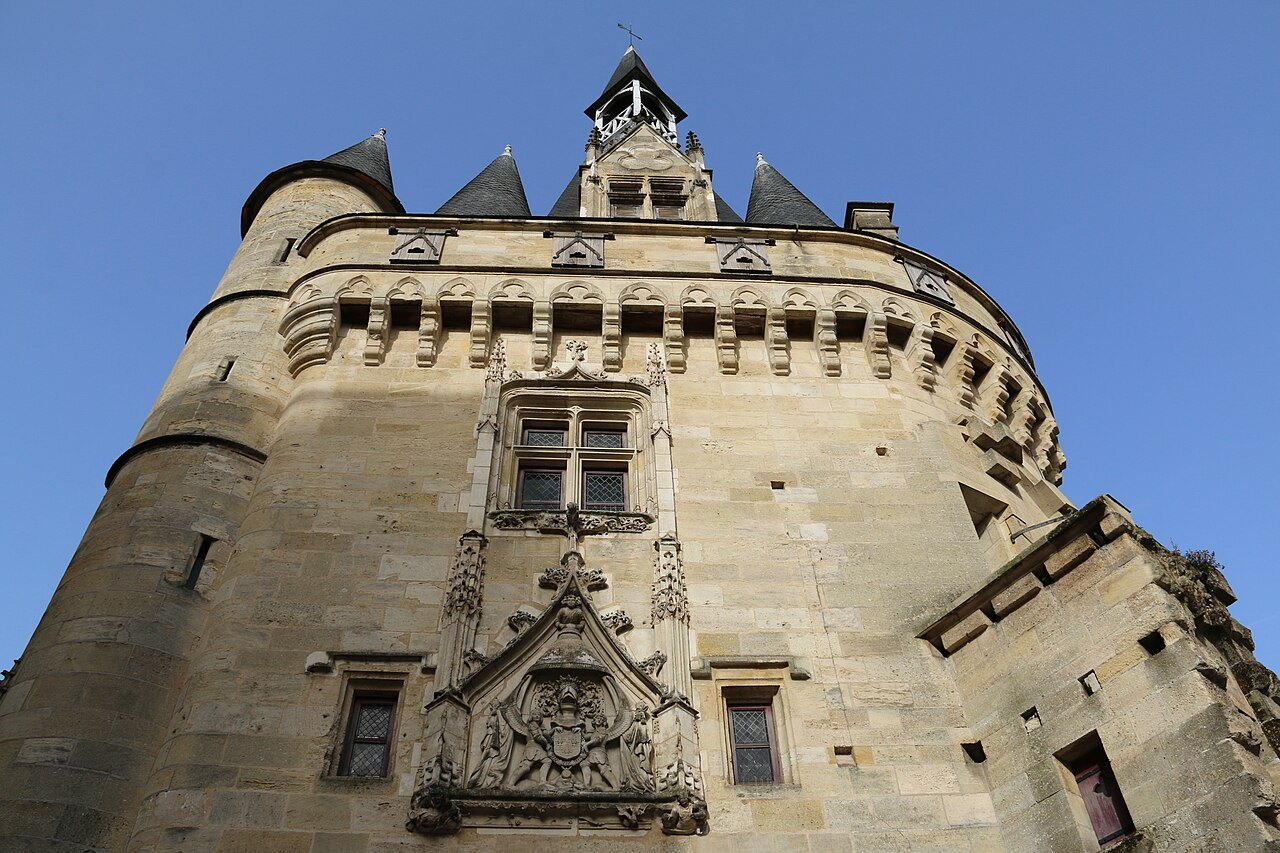
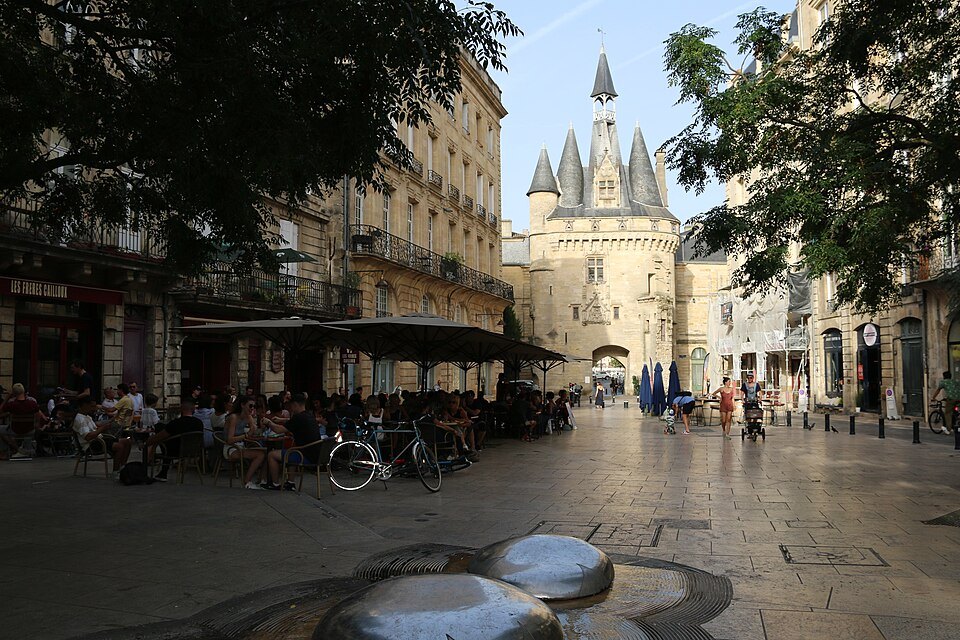
The Porte Cailhau seen from below, its carved niche over the gatewayFrDr, Wikimedia Commons, CC BY-SA 4.0 05A gate for a victory
Follow the quays upstream to the Porte Cailhau, a gate of the old ramparts built between 1493 and 1496. As it was being finished, Charles VIII won the Battle of Fornovo in 1495, and the gate was given its decoration in honor of the victory.
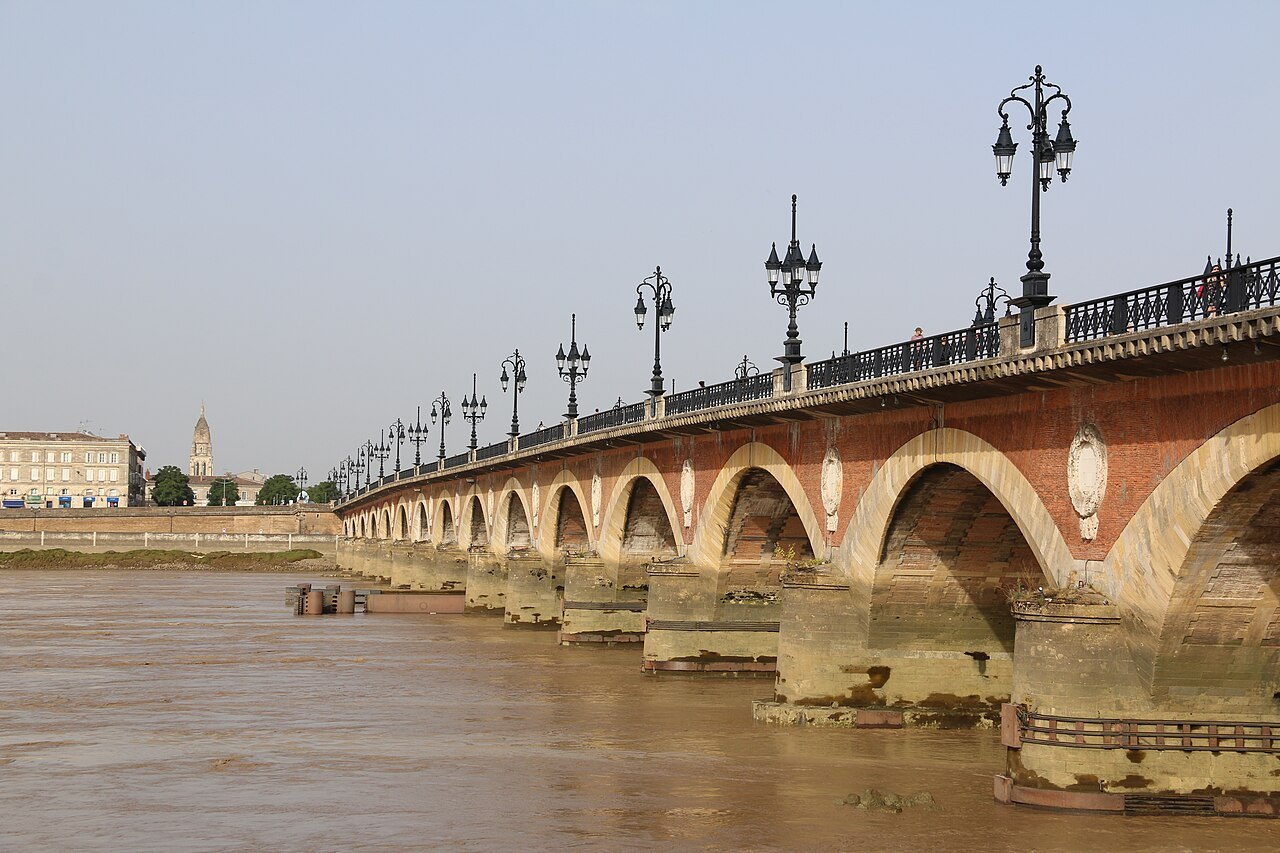
The Pont de Pierre and its brick-and-stone arches over the brown GaronneFrDr, Wikimedia Commons, CC BY-SA 4.0 06The stone bridge
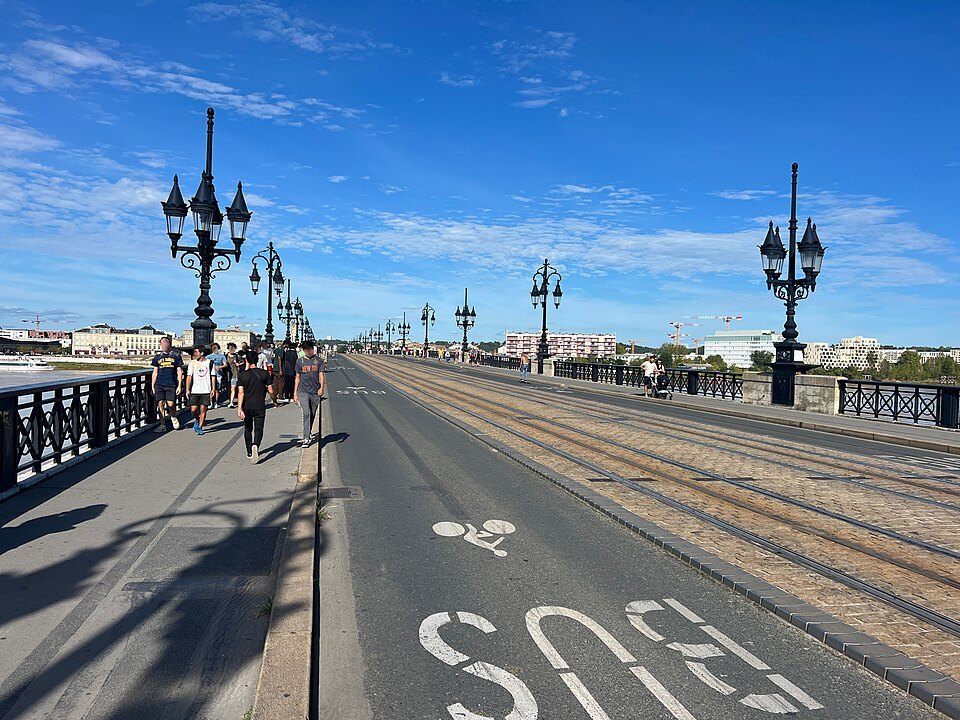
Ahead, the Pont de Pierre crosses the Garonne in 17 arches over 487 meters. It was begun under Napoleon in 1810 and finished in 1822. The story that the arches match the letters of Napoléon Bonaparte is a myth: the design once had 19.
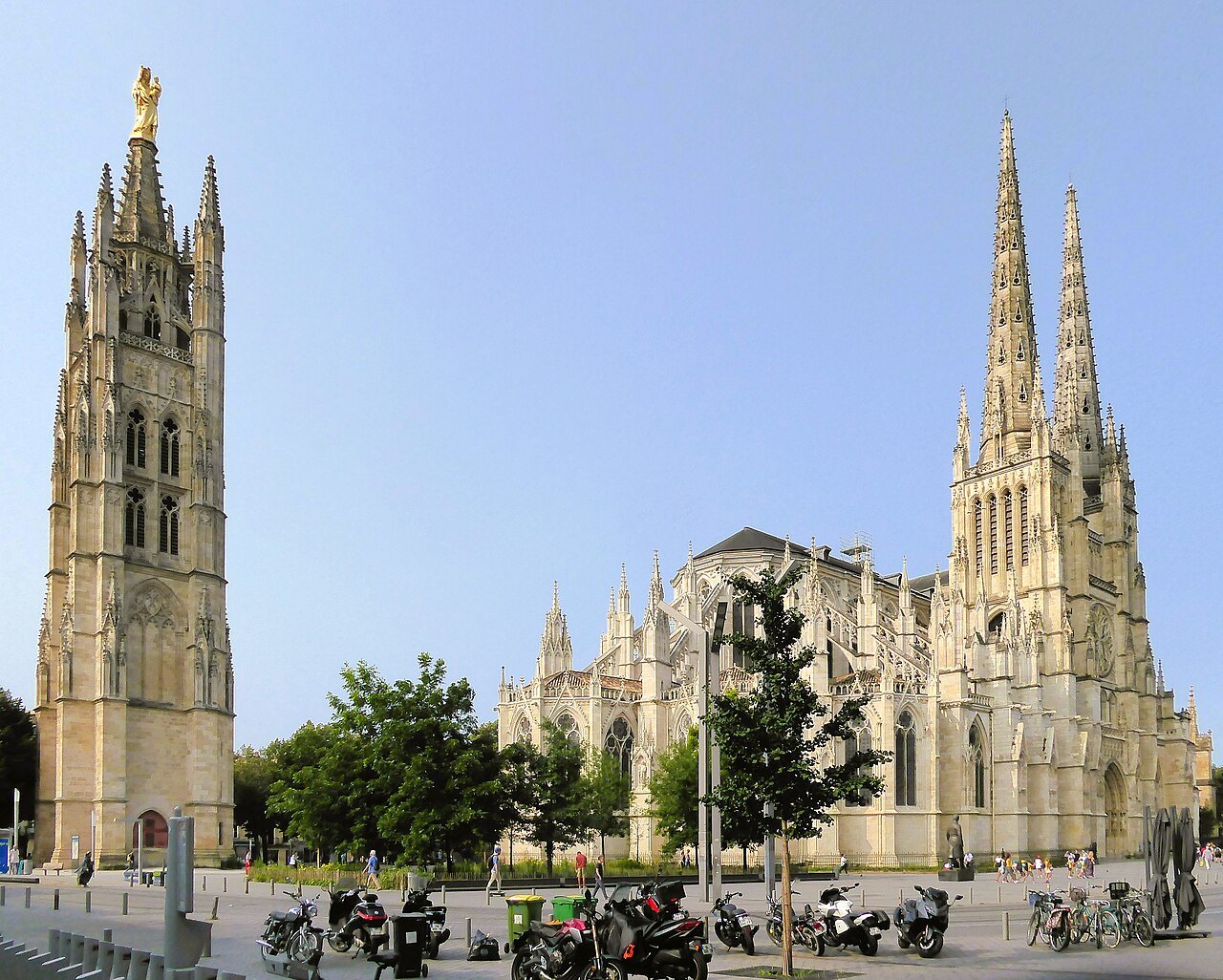
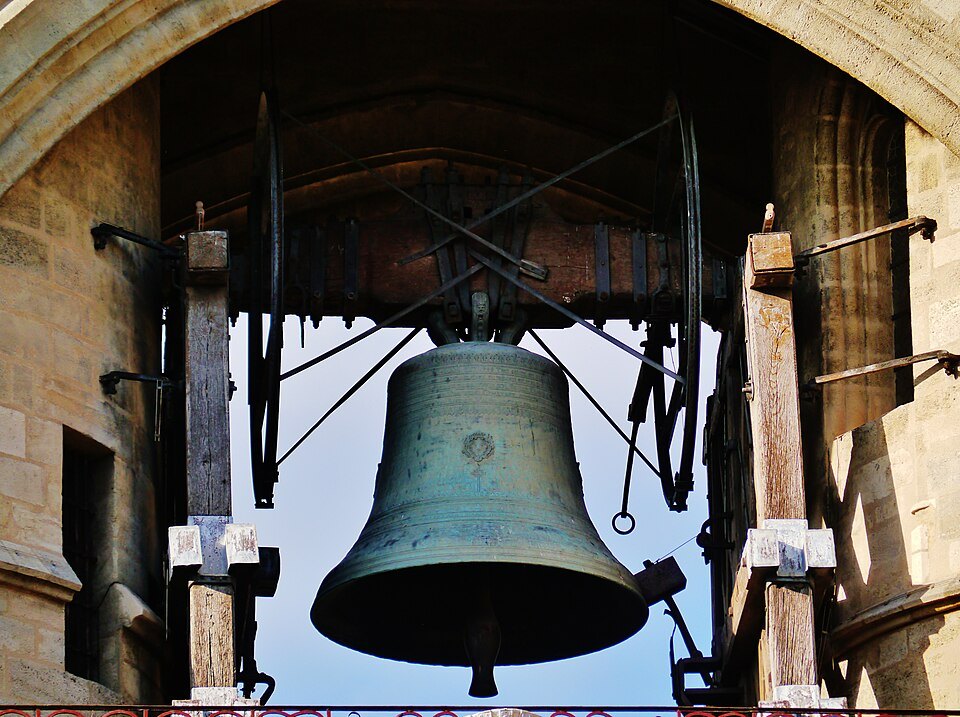
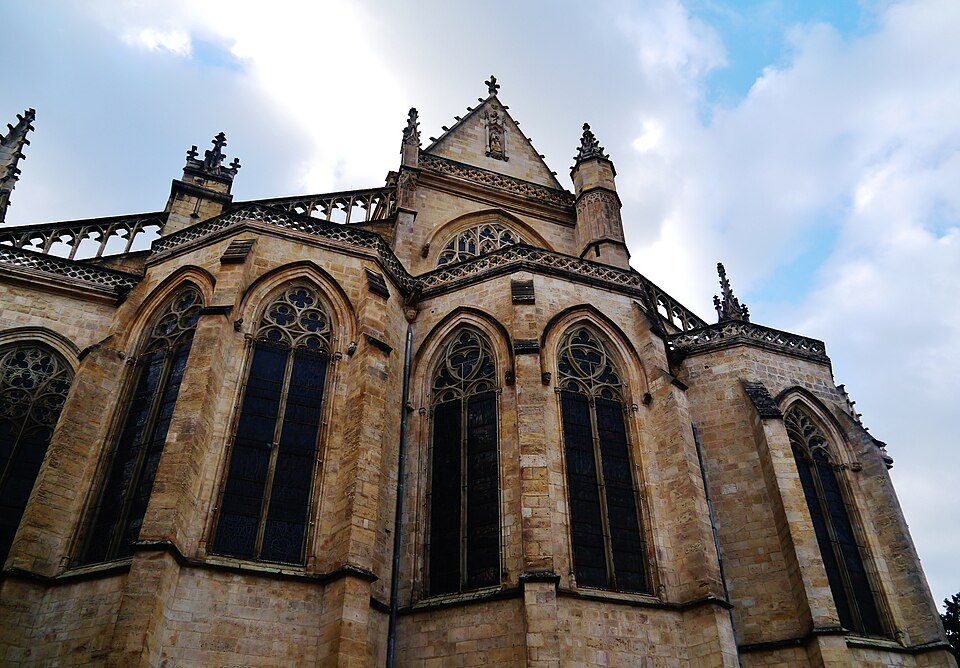
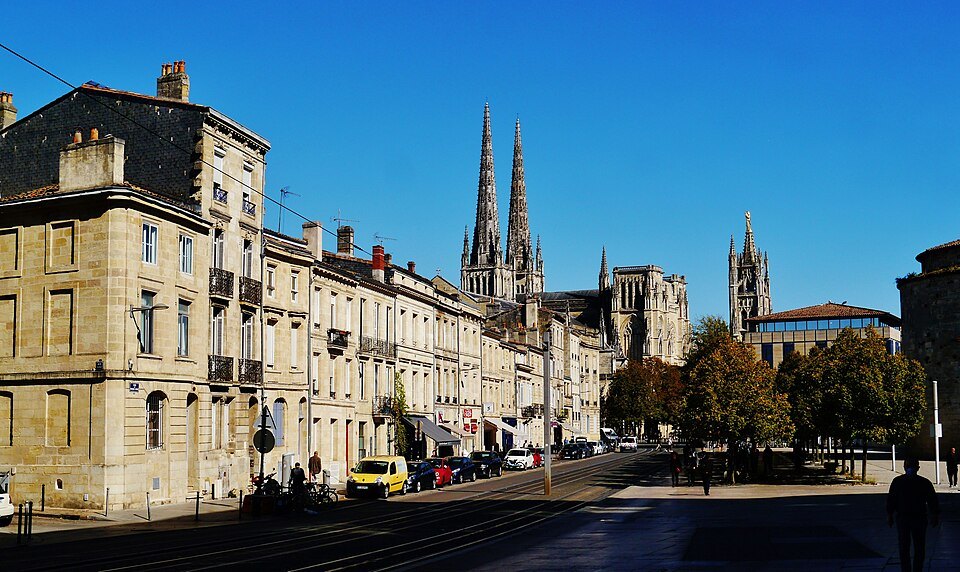
The Pey-Berland Tower beside the east end of Saint-André CathedralChris06, Wikimedia Commons, CC BY-SA 4.0 07The bell and the cathedral
Turn inland to the Grosse Cloche, a medieval city gate that became the belfry, whose 7,800-kilogram bell was cast in 1775. End at Saint-André Cathedral, consecrated in 1096, and climb the 233 steps of the free-standing Pey-Berland Tower, built between 1440 and 1500, to a terrace about 50 meters above the roofs.
Three things to know first
- ArrivingAbout two hours from Paris.Since the high-speed line opened in 2017, TGV trains from Paris reach Bordeaux Saint-Jean in about two hours. The airport lies west of the city in Mérignac, and a tram line has linked it to the center since 2023, a ride of about thirty-five minutes.Getting here
- The streetsA tram with no wires overhead.The old center and the quays are close enough to walk end to end. The tram, running since 2003, draws its power from the ground through the historic center, so no cables cross the stone facades.Getting around
- The calendarMild winters, warm summers.Winters are cool to mild and wet, summers warm and drier, and snow falls on only a few days a year. The Miroir d'Eau is switched off each winter, so the mirror and its mist are a warm-season sight.When to come
France · Gironde, Nouvelle-AquitaineAbout 268,000 peopleFrenchEuroBurdigala before the RomansUNESCO World Heritage since 2007
The guide, around the bend
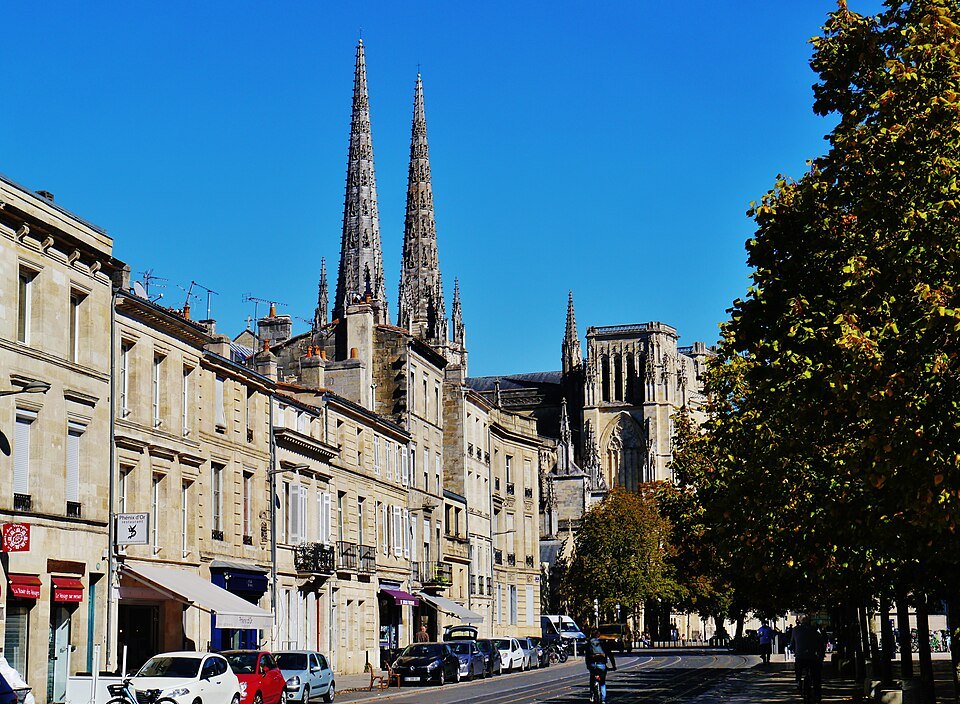 Eighteen places, one page eachThe SightsFrom the Place de la Bourse to the Cité du Vin: what each one is, what you see, and how long to give it.
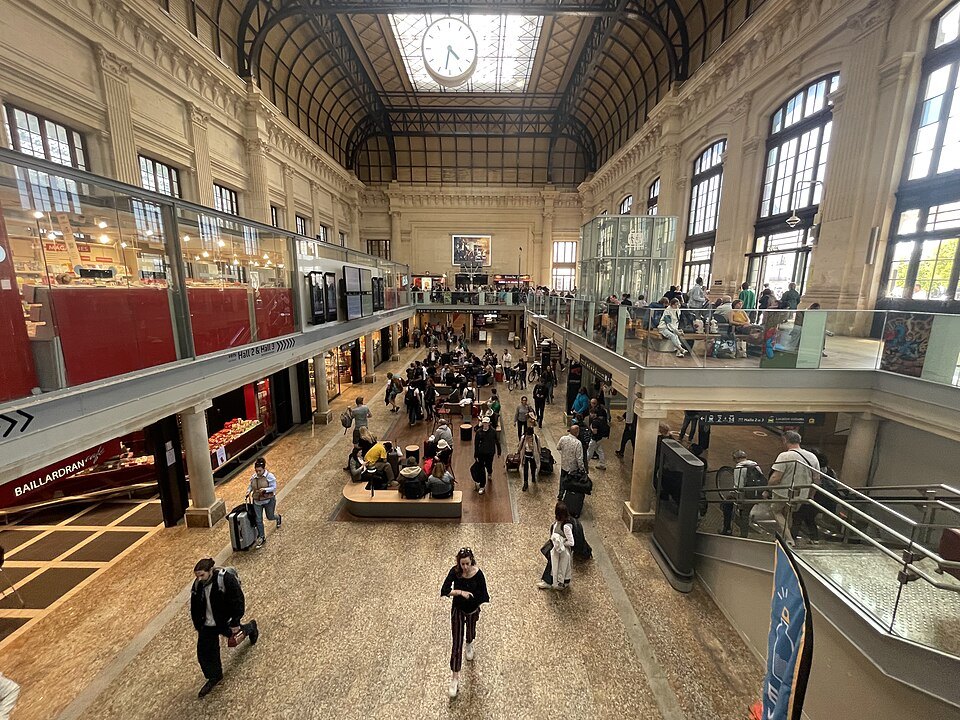 Rail, air and roadGetting HereHigh-speed trains from Paris into Saint-Jean, the airport in Mérignac and the tram that reaches it.
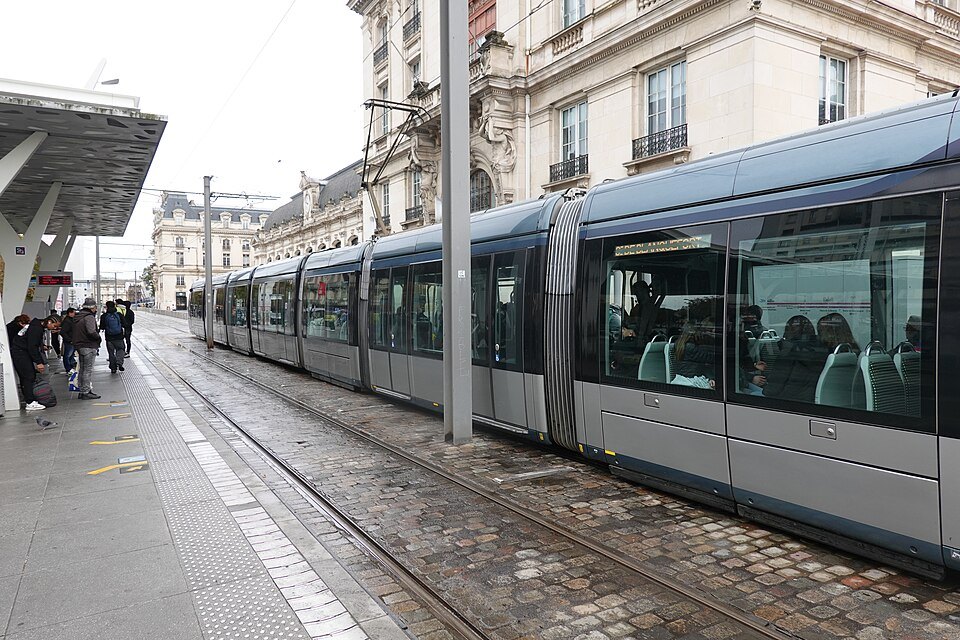 Trams and your feetGetting AroundThe tram network, how far the old center stretches on foot, and crossing the river.
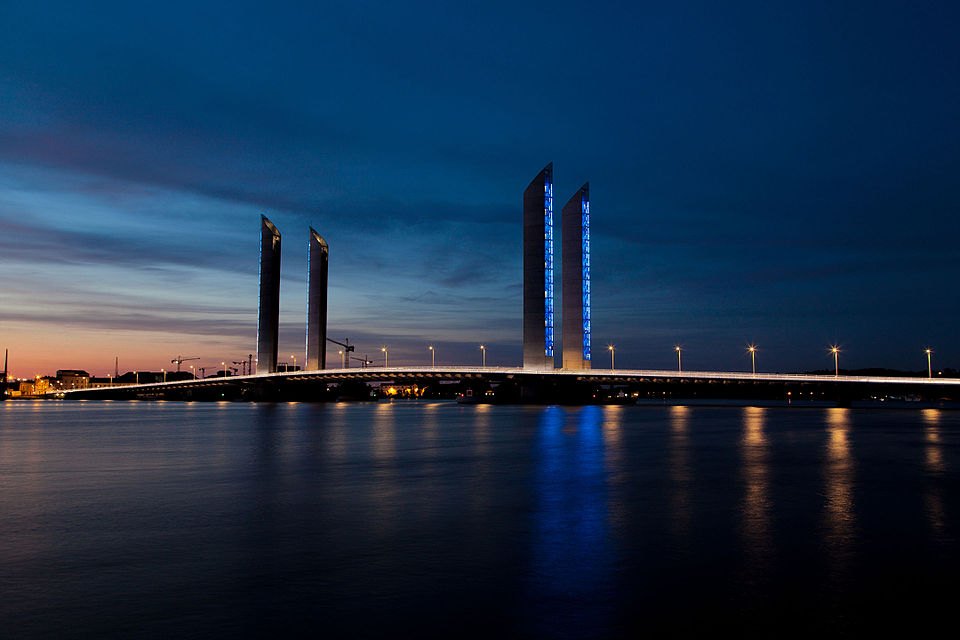 The quays on the crescentThe Port of the MoonWhy the river bends, what the UNESCO listing covers, and how to walk the quays end to end.
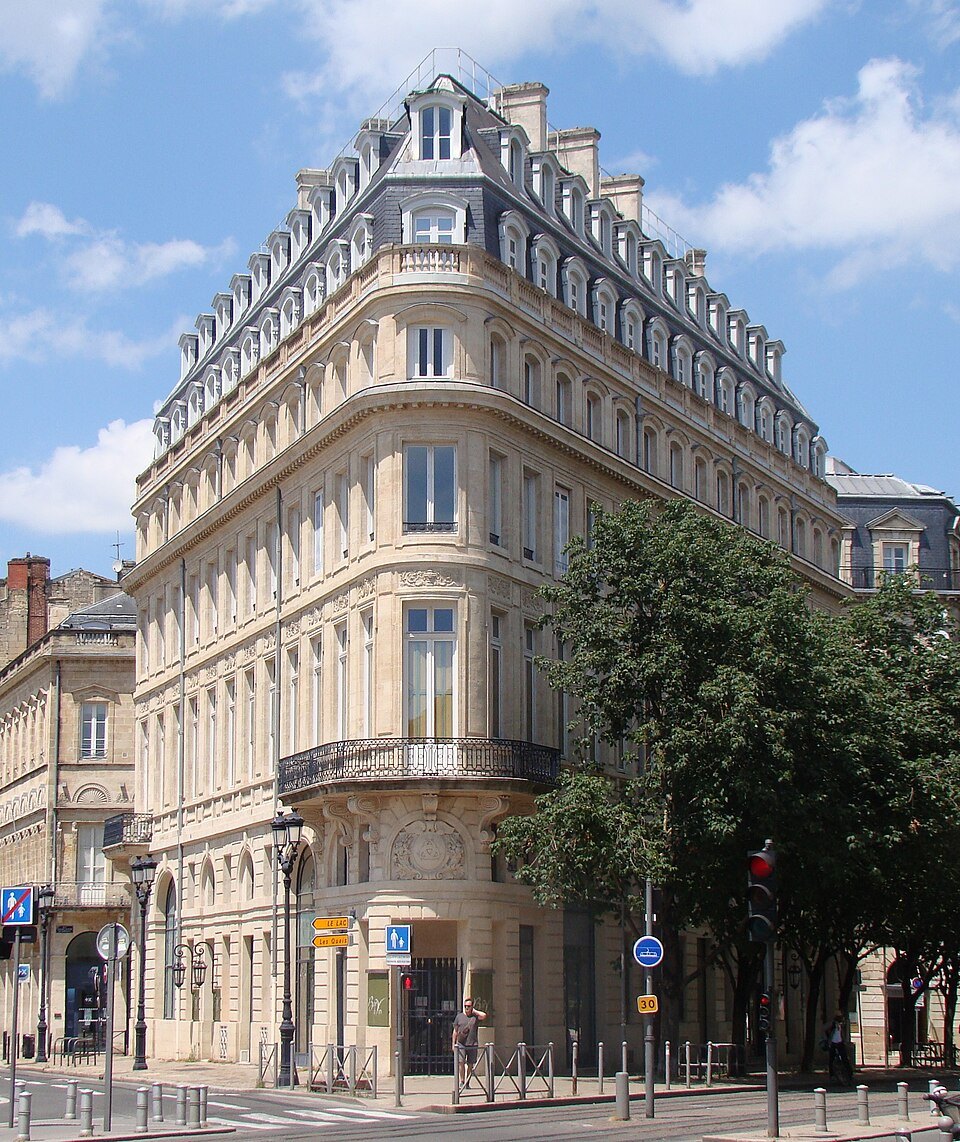 Wine without leaving townThe Wine CityThe Cité du Vin, the Chartrons merchants, and how the city and its vineyards fit together.
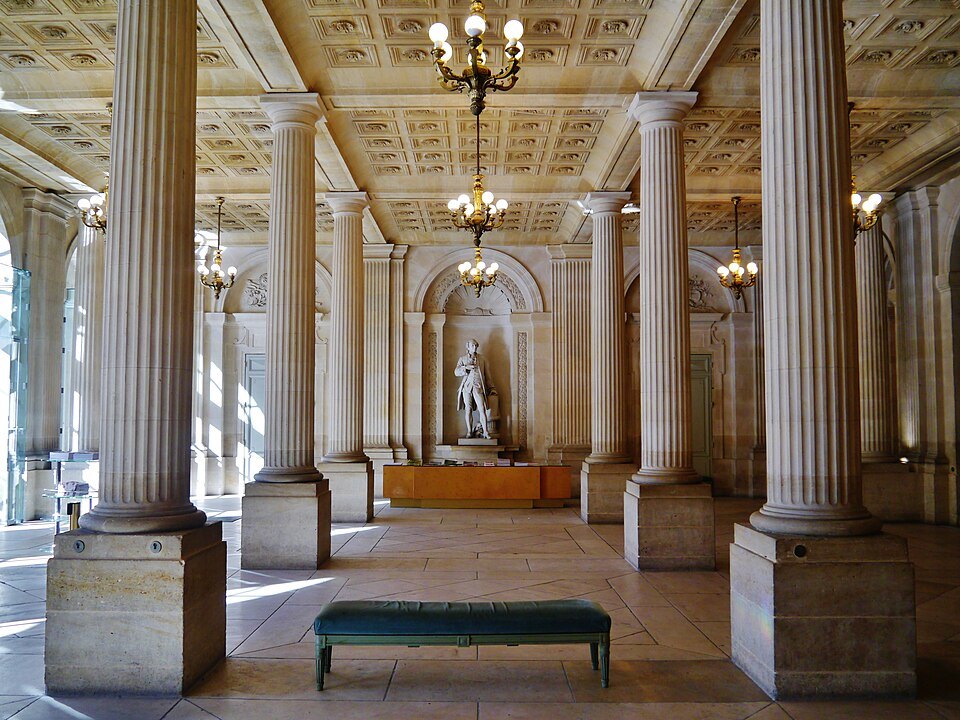 What to arrange firstBooking AheadThe few things in Bordeaux worth fixing a time for, and the many that need nothing.
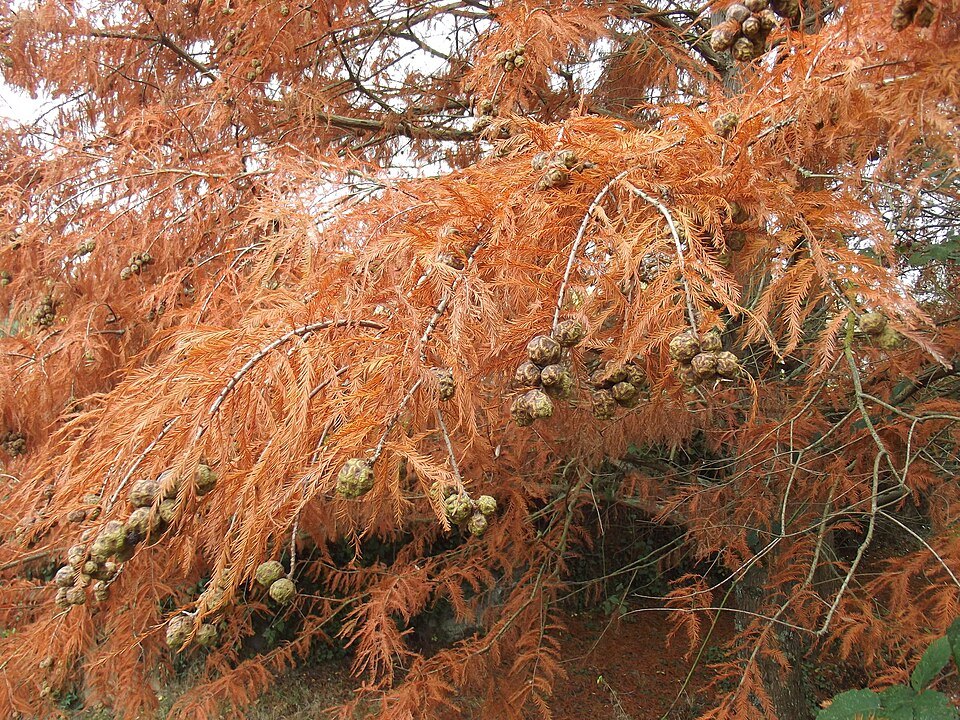 The year in BordeauxWhen to ComeMild wet winters, warm summers, the mirror switched off for the frost, month by month.
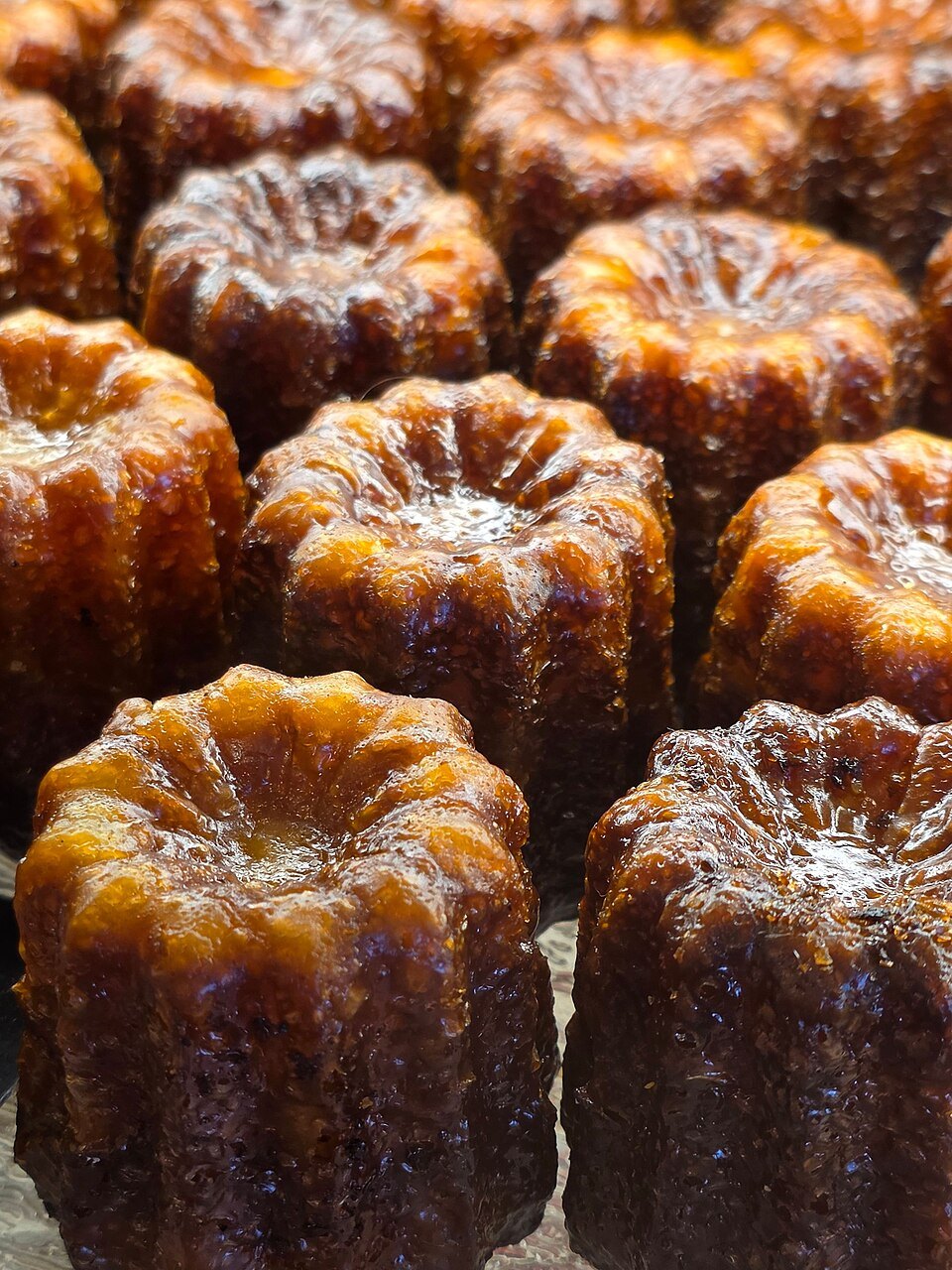 Canelés and the quays' marketsEating & DrinkingThe dishes of Bordeaux and the Gironde, the markets, and where the city eats.
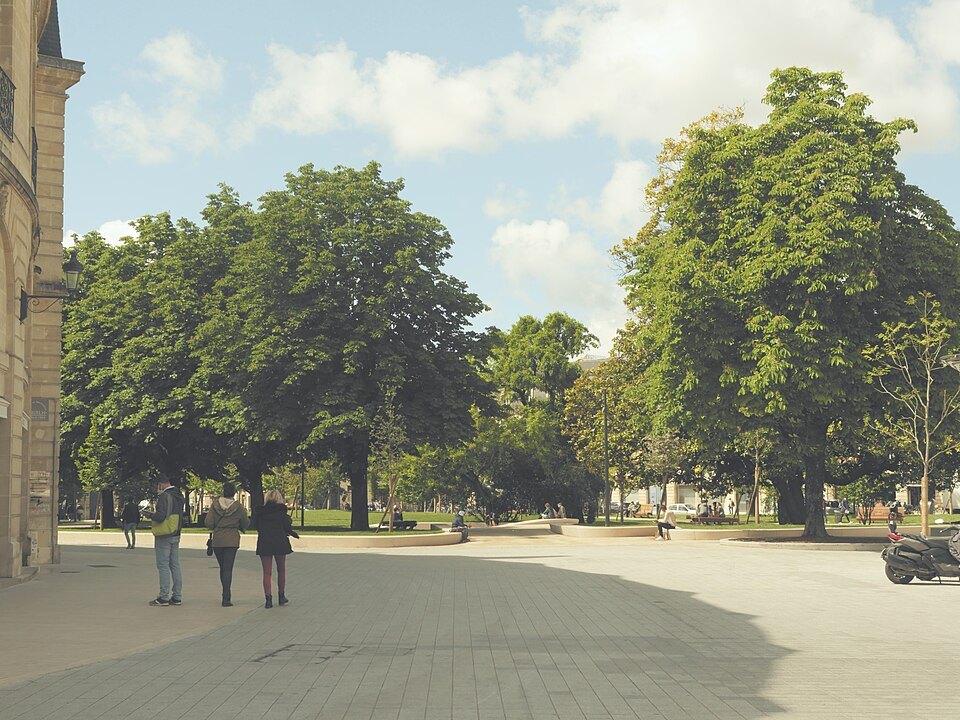 The quarters of the crescentWhere to StayEach part of the city for a night or a week, drawn on a map.
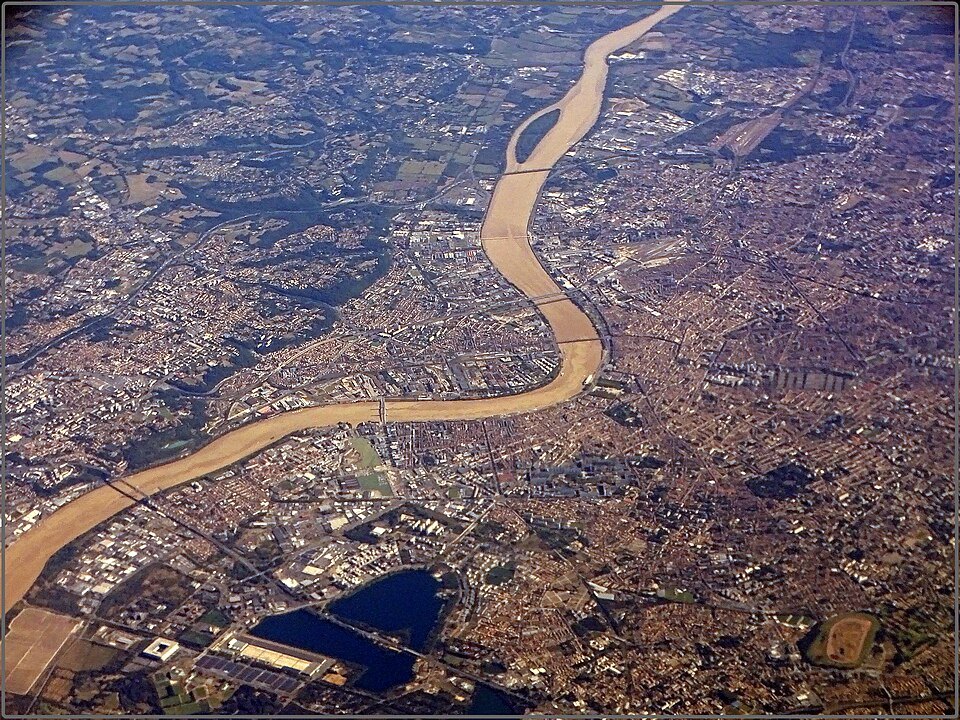 One day, two days, threeItinerariesRoutes by the length of your stay, shaped around the quays, the old town and the docks.
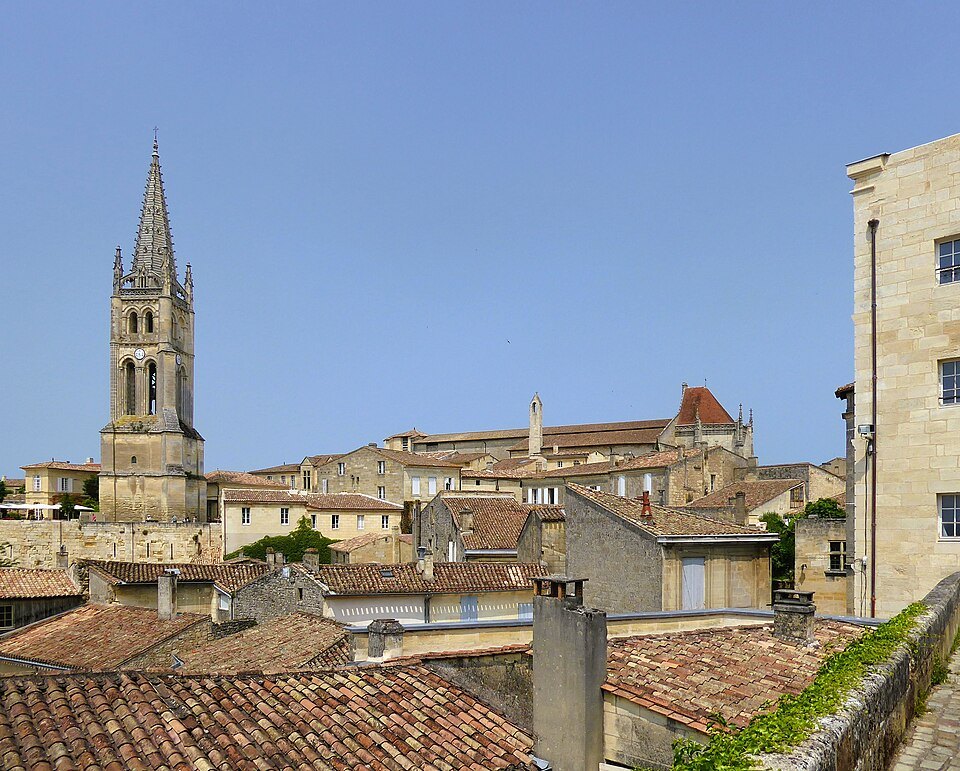 Saint-Émilion, the dune, the MédocDay TripsWhere the trains and roads out of Bordeaux lead in a day, from vineyards to the Atlantic.
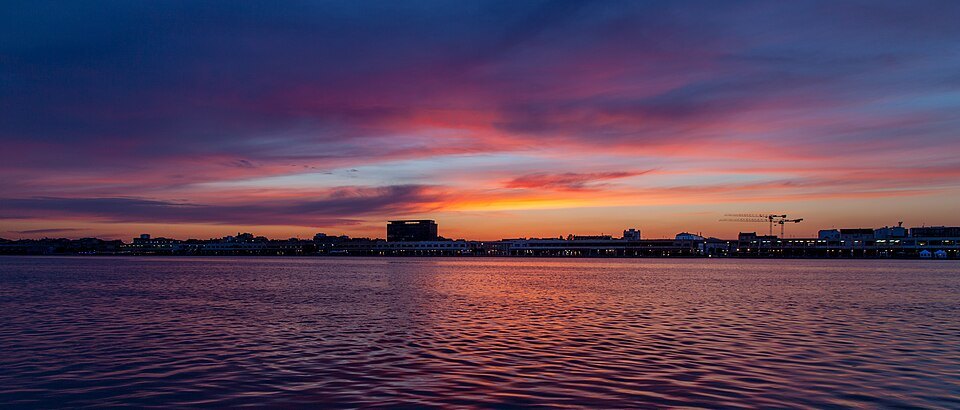 Questions answered at lengthThe JournalVisitor questions about Bordeaux, answered in full, with new pieces as they are written.