Home · Getting Here
Where each arrival puts you
By train
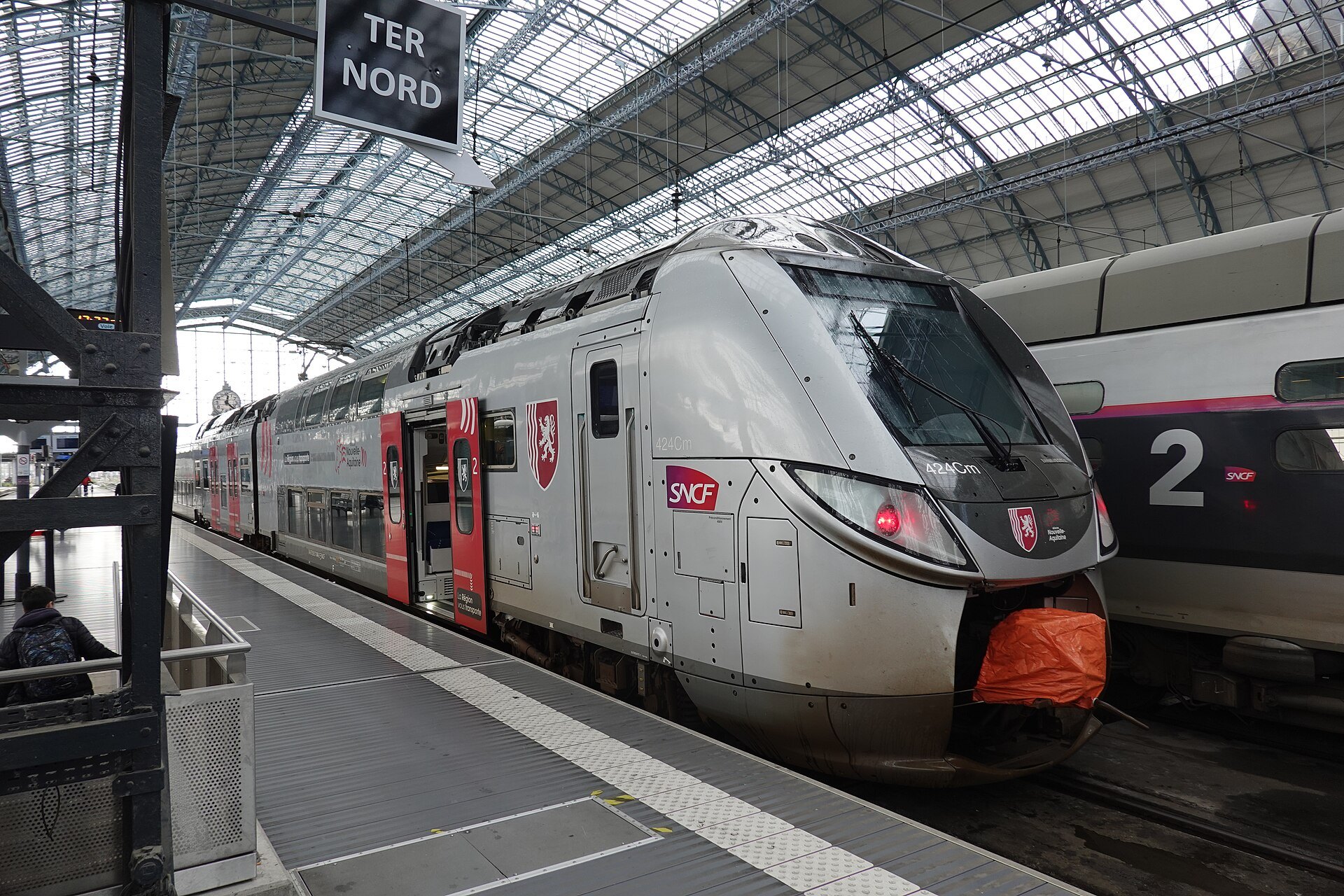
Bordeaux Saint-Jean is the main station, on the south-east edge of the center, a terminus of the high-speed line from Paris and the hub for trains across the south-west.
- Paris
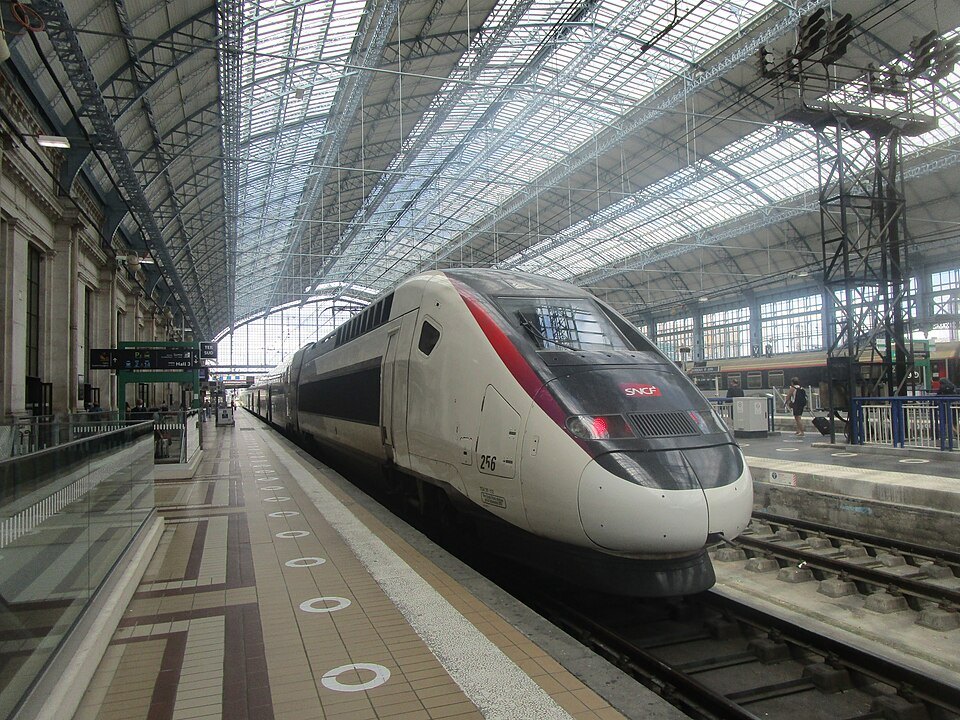
- TGV on the high-speed line opened in 2017, about two hours
- Toulouse, Montpellier, Marseille
- Direct trains south and east along the line to the Mediterranean
- Lille, Strasbourg, Nantes
- Direct trains to the north and east, and up the Atlantic side
- Arcachon, La Rochelle, Pau, Périgueux
- Regional TER trains across Nouvelle-Aquitaine
Trams leave from the forecourt for the old town and the quays, a short ride.
By air
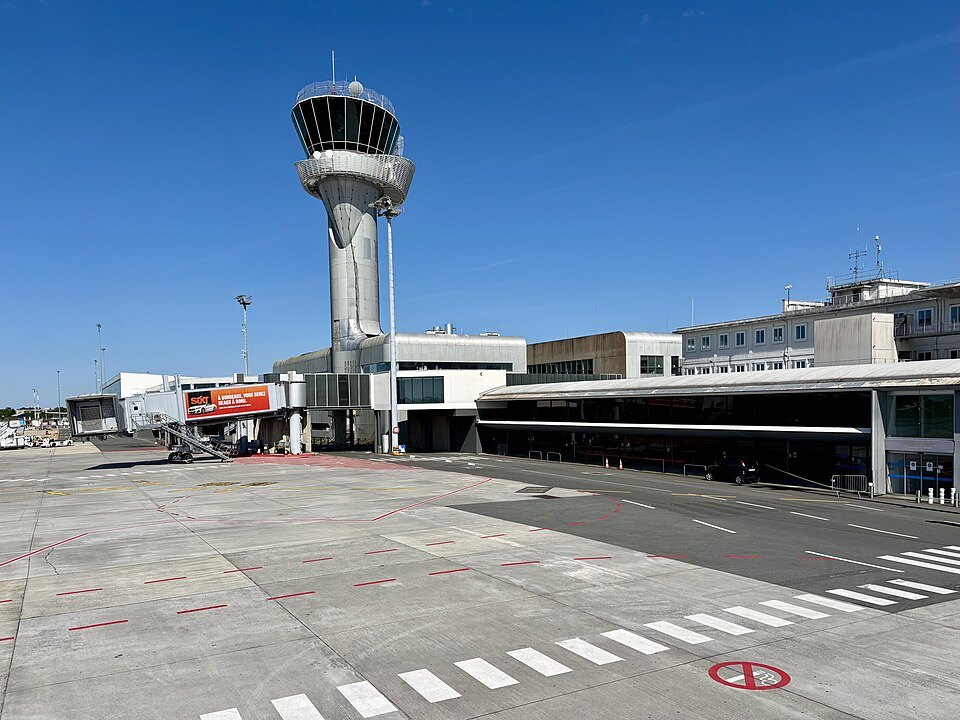
Bordeaux-Mérignac airport lies in the suburb of Mérignac, west of the city, with two terminal halls and a separate terminal for low-cost airlines, called Billi.
- Tram
- A tram line to the center, about thirty-five minutes; since December 2025 the airport branch runs as line F
- Shuttle bus
- The 30'Direct shuttle to Saint-Jean station
- Bus
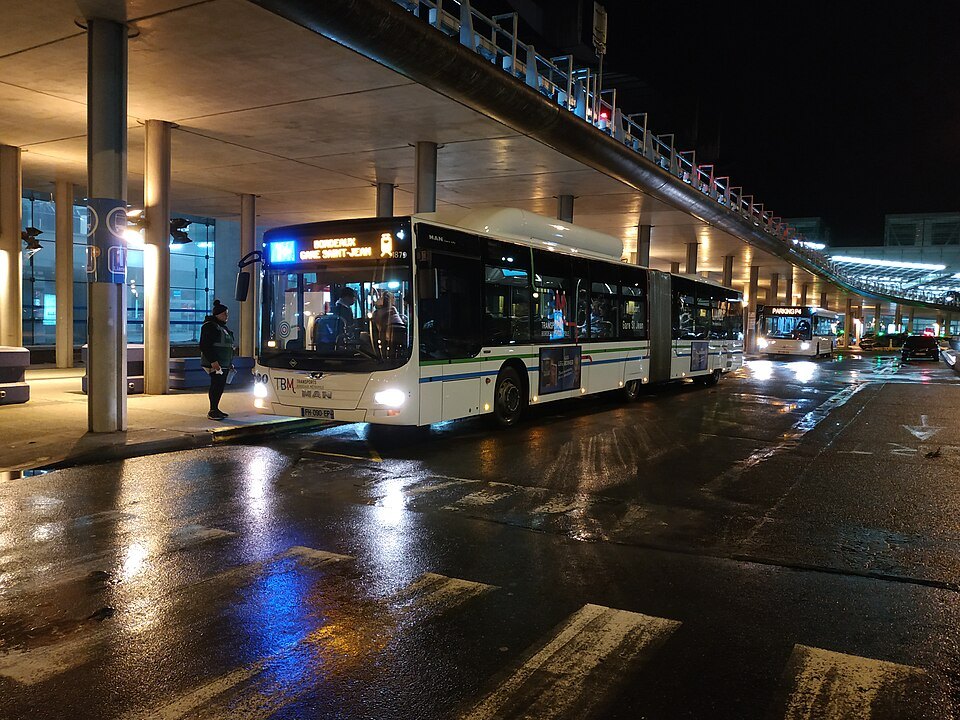
- TBM bus line 1+ to the city center
- Transfer
- A car booked before you fly, waiting at arrivals
The tram reaches the center at stops within walking distance of the main squares.
By coach
Regional coach lines across the Gironde leave from the Quinconces, the city's busiest public transport interchange; long-distance coach companies set their own stops.
- Gironde coaches
- Around a dozen regional lines through the département from the Quinconces
- Long-distance coaches
- Operators set their own stops; check your ticket for the exact place
The Quinconces stop is on the tram network, a short walk from the Grand Théâtre.
By car
Motorways arrive from Paris (A10), Toulouse (A62), Spain (A63) and Lyon (A89) onto the Rocade, a forty-five-kilometer ring road round the metropole.
- Park and ride
- About thirty car parks beside tram lines on the edge of the city, for the day only
- The center
- Narrow streets, paid parking, and the Pont de Pierre closed to private cars
Leave the car at a park-and-ride and take the tram in.
Getting Here
Arriving in Bordeaux
Most visitors now come by train. Since the high-speed line from Tours opened in 2017, the TGV from Paris reaches Bordeaux in about two hours, almost an hour faster than before, which puts the city within easy reach of a weekend from the capital or of a change of trains after arriving in France. The airport handles flights from across Europe and some beyond, and the motorways from Paris, Spain, Toulouse and Lyon all meet on the ring road.
Whichever way you come, the place to aim for is the tram. The network was built from 2003 to run through the historic center without overhead wires, drawing power from the ground, and it links the station, the airport and the Quinconces interchange to the old town. The getting around page explains how it works once you are here.
By train: Bordeaux Saint-Jean
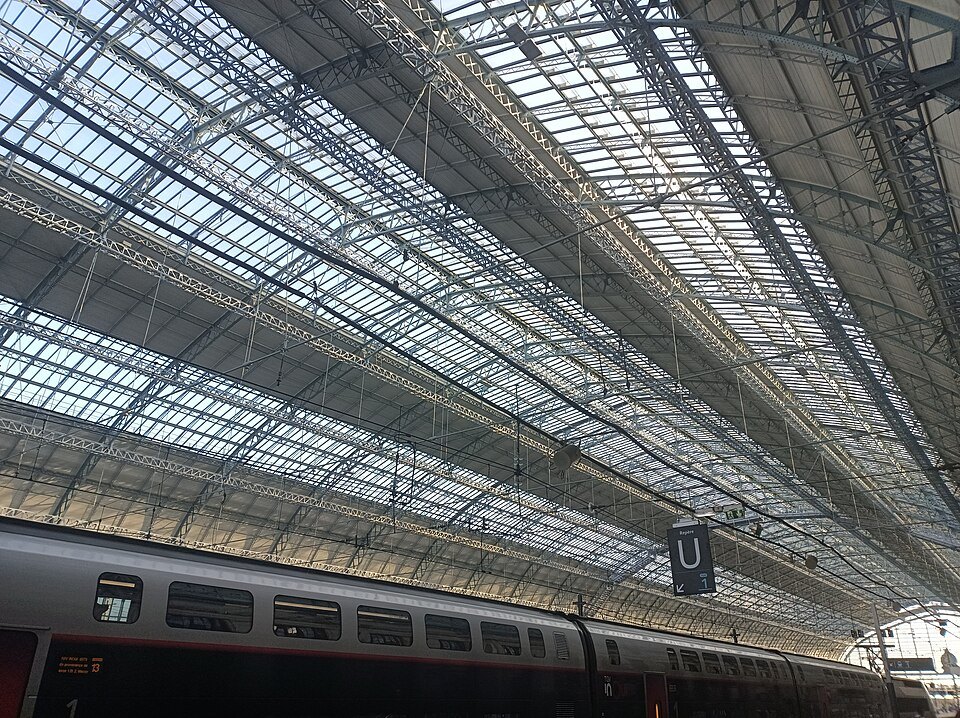
Bordeaux Saint-Jean is the city's main station and one of the busiest in the south-west, handling some twelve million passengers a year. It stands at the end of the old Grande-Rue Saint-Jean, now the cours de la Marne, on the south-east edge of the center. The present building was put up between 1889 and 1898 for the Compagnie du Midi; the arrivals hall came first, in 1893, and the great train shed of iron and glass is one of the sights of your arrival.
From Paris, trains run from the Gare Montparnasse on the high-speed line, and the fastest take about two hours. Direct trains also link Bordeaux with Toulouse, Montpellier, Nîmes and Marseille on the line to the Mediterranean, and with Lille, Strasbourg and Nantes. Regional TER trains serve the rest of Nouvelle-Aquitaine: Arcachon, Angoulême, Agen, Bergerac, La Rochelle, Libourne, Limoges, Pau, Périgueux and Poitiers, among others. Journey times vary by service, so check the operator for the train you plan to take.
Coming from Paris, or going on there, the capital's own visitor guide is My Paris Travel.
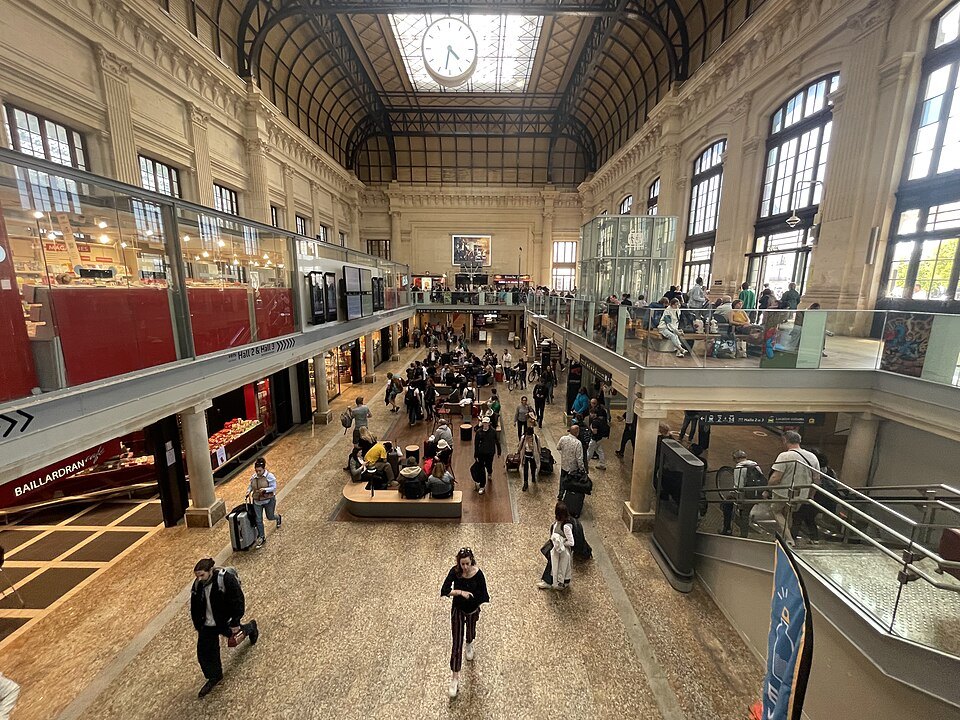
From the station, the tram runs along the quays into the heart of the old town. It is a short ride to the Porte de Bourgogne and a little longer to the Place de la Bourse; on foot it is a walk of about half an hour along the river.
From further afield by rail
The high-speed line was built partly to tie the south-west into Europe's TGV network, and through Paris Bordeaux connects with trains to London, Brussels and Amsterdam; extensions toward Toulouse and the Spanish border are planned, and the first preparatory works for the Toulouse line have begun. Until then, trains to Spain continue down the classic line through the Landes to Irun, on the border.
Rail history explains the station's position. The first line from Paris ended on the right bank, near the Pont de Pierre, and passengers crossed the bridge into town. In 1860 a double-track iron railway bridge by Gustave Eiffel brought trains across the river straight into Saint-Jean; it was replaced by a new four-track bridge in 2009, and the old Eiffel bridge still stands beside it, unused. The old right-bank station was later turned into a cinema and restaurants.
By air: Bordeaux-Mérignac
The airport is in the suburb of Mérignac, west of the city; sources put it between eight and twelve kilometers from the center. It served almost eight million passengers in its record year of 2019 and is a base for easyJet and Volotea. There are two main halls, A and B, the latter built in 1996 for flights to Paris, and a separate terminal for low-cost airlines, Billi, opened in 2010.
Since 2023 a five-kilometer extension of the tramway has linked the airport to the city, and the ride to the center takes about thirty-five minutes. Since December 2025 the airport branch has run as line F. If you land late, check the last tram of the day before you rely on it, and consider booking a transfer.
By coach and by car
Regional coaches across the Gironde use the Place des Quinconces, which the tram network made into the city's main interchange in 2003, with tram lines, buses and around a dozen coach lines meeting there. Long-distance coach companies choose their own stops, which can change; check your booking for the exact place.
By car, the A10 motorway arrives from Paris, the A62 from Toulouse, the A63 from Spain and the A89 from Lyon, all feeding the Rocade, a ring road forty-five kilometers long that is often very busy. Inside it, the historic center is a place to avoid driving: the streets are narrow, parking is paid throughout, and the Pont de Pierre has been closed to private cars since 2018. French cities have also been introducing low-emission rules for older vehicles, so check the current rules for the metropole before you drive in.
The better plan is to park at one of about thirty park-and-ride car parks on the edge of the city, each beside a tram line, and ride in. They follow the tram's operating day, and a car cannot be left in them overnight.
Once you are here
The center is compact and the tram does the rest. Buy tickets at the machines at tram stops or in the network's app, and validate every journey, as the getting around page explains. For where to base yourself, the neighborhoods page compares the quarters, and for the things worth arranging before you travel, see booking ahead.
If you are continuing along the Atlantic coast or into the vineyards, most day trips start from Saint-Jean or from the Quinconces, so a base near either saves time. Arriving on a busy summer weekend, allow extra time at the station and on the ring road, both of which fill up.
Services we link to
Some links on this page are affiliate links. If you book through one we may earn a commission, at no extra cost to you. It does not affect what is recommended here, and no sight page on this site carries one.
Arranged before you land:
More photographs
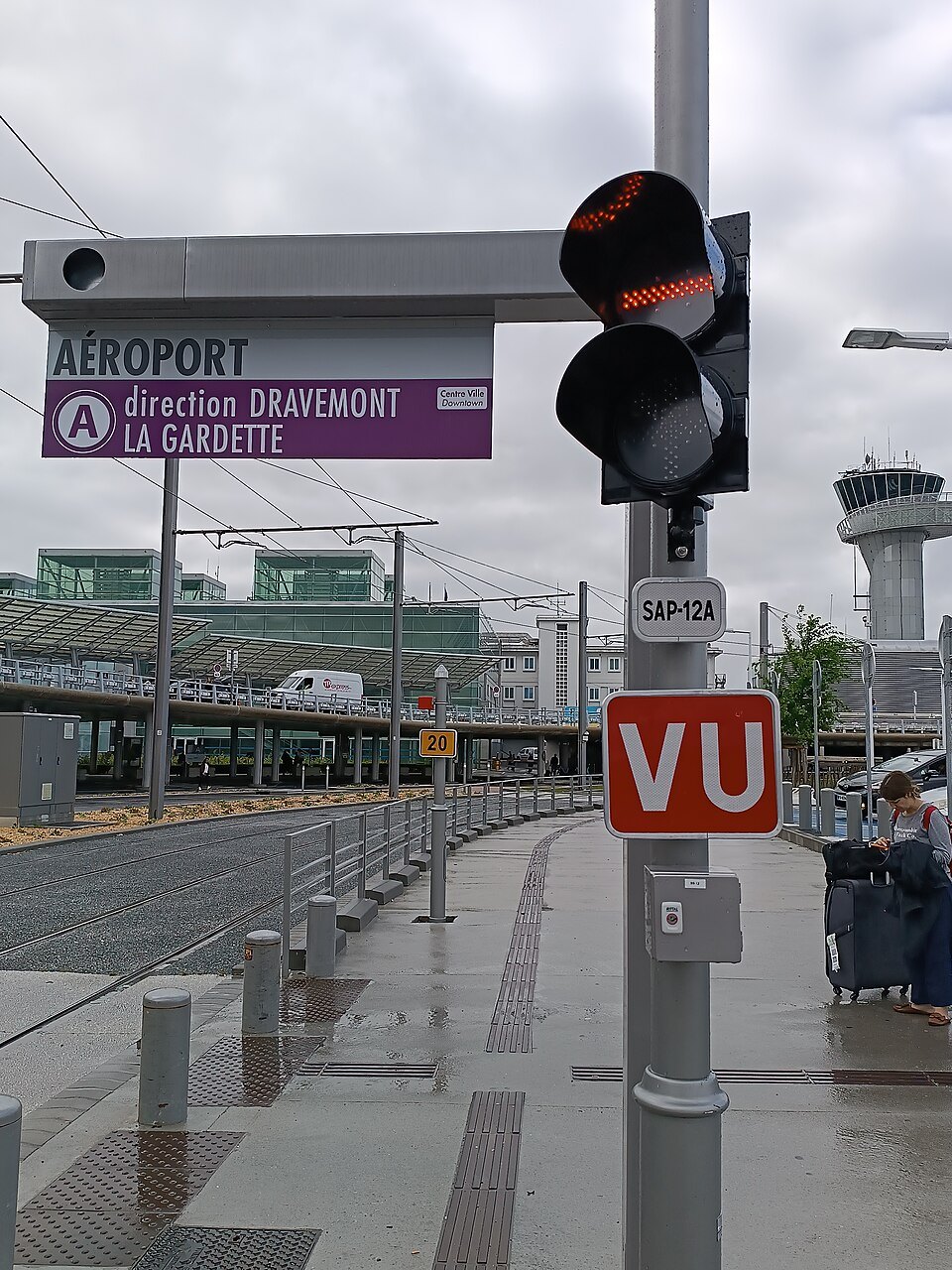
The tram terminus at the airport, opened in 2023Kevin.B, Wikimedia Commons, CC BY-SA 4.0 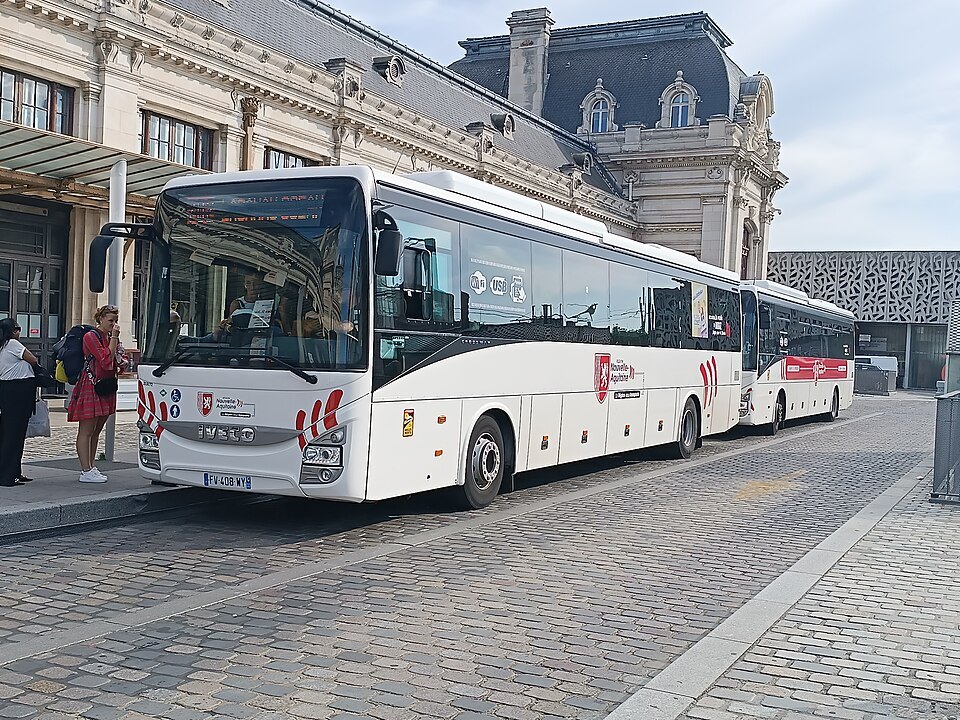
Regional coaches waiting outside Saint-Jean stationKyah117, Wikimedia Commons, CC BY 4.0 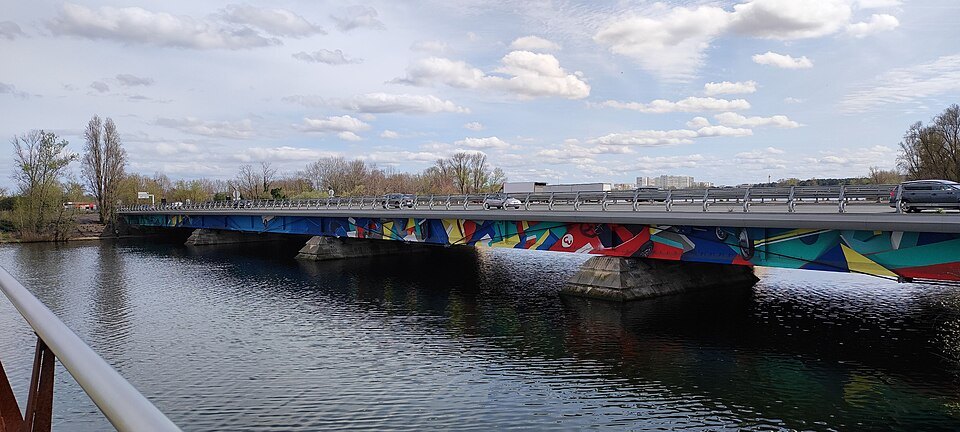
A ring-road bridge painted with murals over the water at Bordeaux-LacJeanWilhelm, Wikimedia Commons, CC0 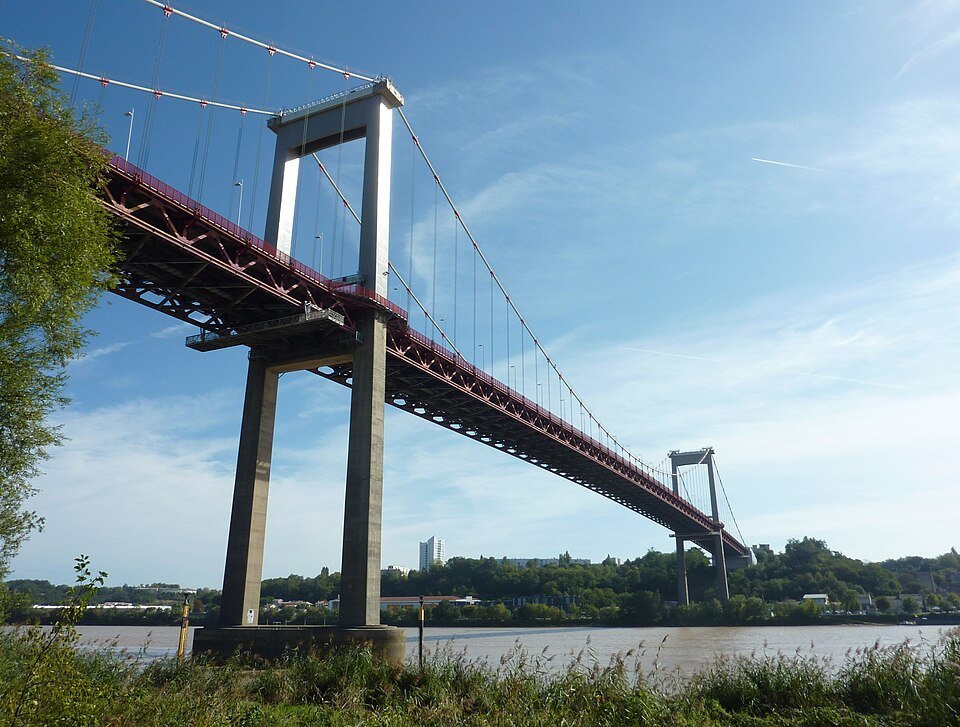
The Pont d'Aquitaine, the suspension bridge that carries the ring road over the GaronneGlabb, Wikimedia Commons, CC BY-SA 3.0