Home · The Port of the Moon
The quays, reach by reach
- Quai Sainte-Croix and the Parc Saint-MichelThe upstream end of the promenade, lawns and sports grounds by the river below Saint-Michel
- Quai de la Grave and Quai des SalinièresThe fountain of the Grave, the Porte de la Monnaie and the city end of the Pont de Pierre
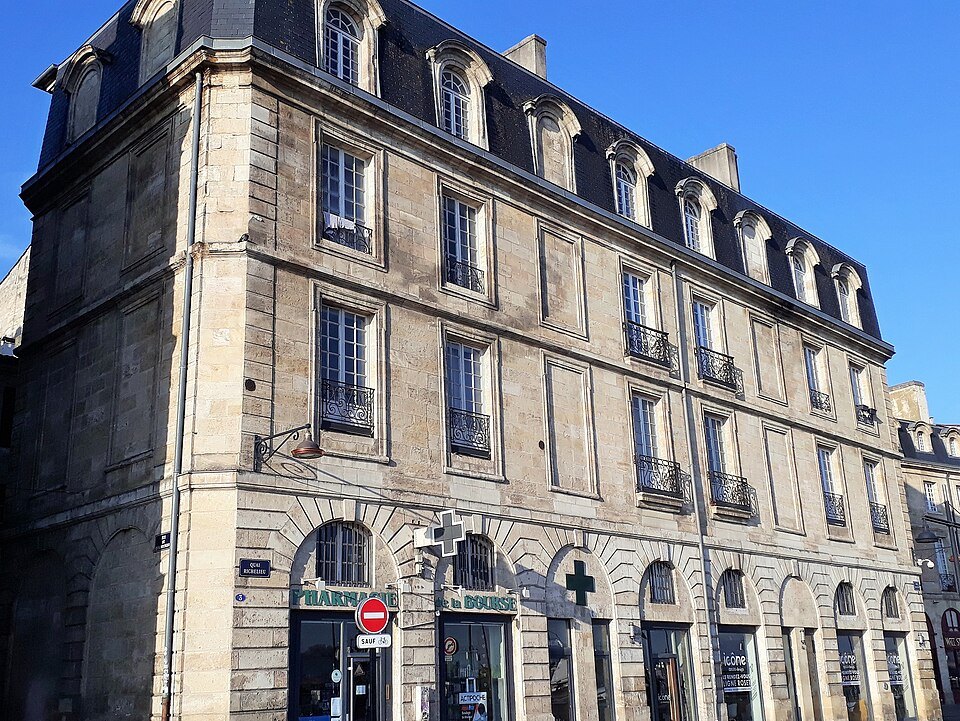
- Quai RichelieuThe Porte de Bourgogne and the Porte Cailhau, the old river gates of the walled town
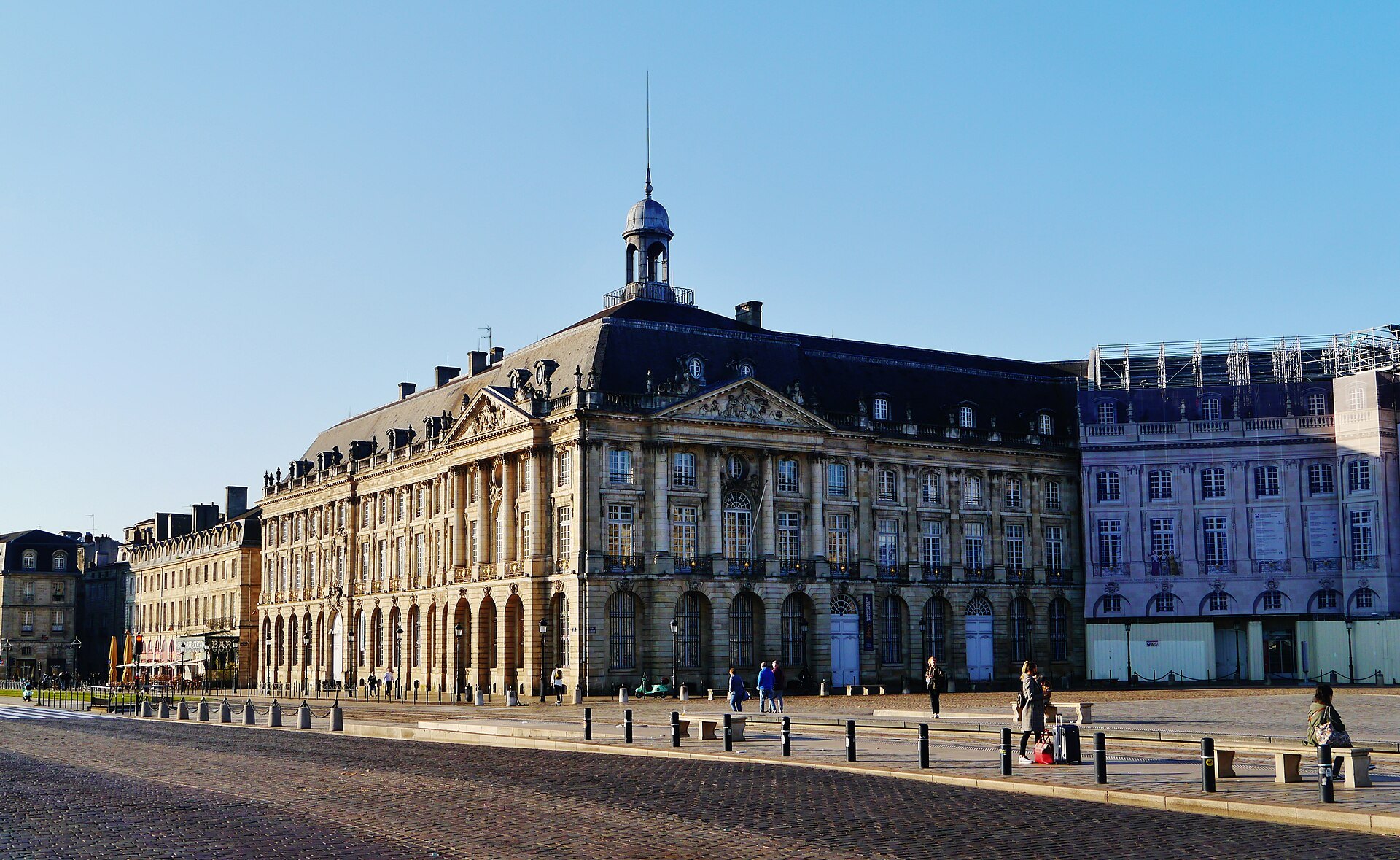
- Quai de la DouaneThe Place de la Bourse and the Miroir d'Eau, the center of the crescent
- Quai Louis XVIIIThe Quinconces and the rostral columns, with lawns and plane trees on the old fortress ground
- Quai des ChartronsThe wine merchants' front, the maritime exchange and the Sunday market
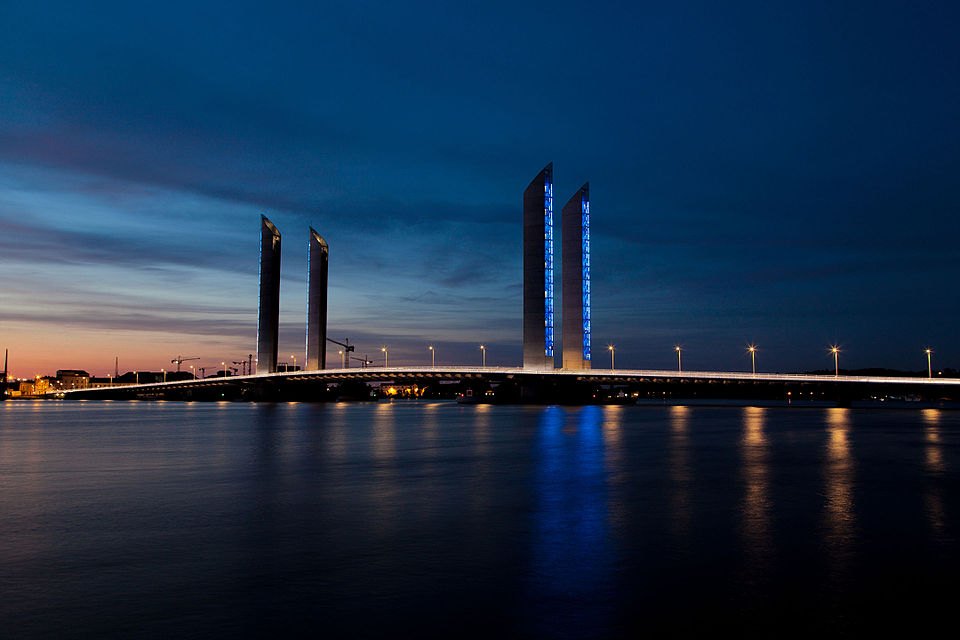
- Quai de BacalanOld hangars turned to shops and science, the lift bridge and the Cité du Vin
- The right bankThe Quai des Queyries, the botanical garden and the Parc aux Angéliques, facing the whole city front
The Port of the Moon
Why the city is called the Port of the Moon
Since the Middle Ages the harbor of Bordeaux has been called the Port de la Lune, the Port of the Moon, after the shape of the wide bend the Garonne makes here, a crescent with the city on its outer curve. The moon has been on the city's arms since the twelfth century, when a crescent was drawn in the river on the first coat of arms, under Richard the Lionheart; in the seventeenth century the city's monogram of three interlaced crescents appeared, and the municipal logo is still a stylized crescent. Once you know it, you will start noticing the crescent on the city's buildings and signs.
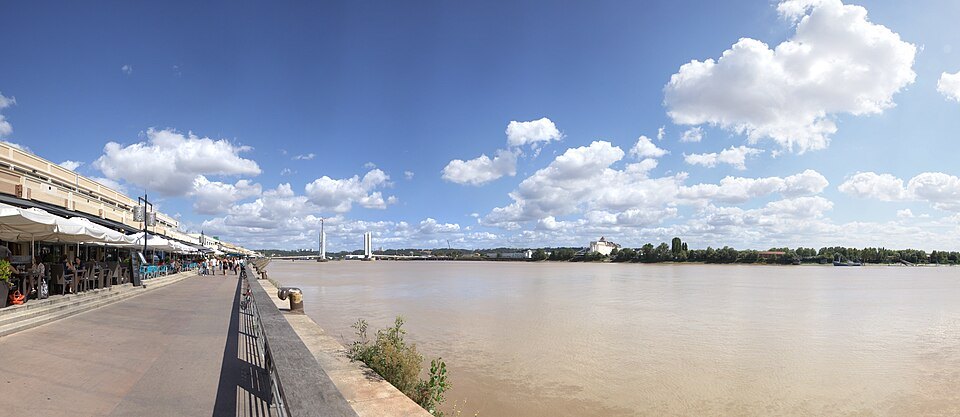
The curve is also the reason the old city is where it is. On the outside of a bend the current cuts a deeper channel, and the left bank was where merchant ships could come in to unload; the low, marshy right bank developed much later. The river here is tidal, broad and brown with the silt it carries, and ocean-going ships still come up the Gironde estuary to moor in the center.
The World Heritage city
In June 2007 UNESCO inscribed Bordeaux, Port of the Moon on the World Heritage List. The listed area covers some 1,800 hectares, about forty percent of the city: the river, the whole historic front of the quays, more than 350 listed historic monuments and a protected historic core of 150 hectares, with a buffer zone of 3,725 hectares around it. It was the largest urban area on the list when it was inscribed.
UNESCO recognized an unusually coherent classical and neoclassical city, with a royal square open to the river and long, uniform ranges of facades, the legacy of Bordeaux's boom in the age of the Enlightenment and of colonial trade. The listing also rewarded what the city had done since the urban project of 1995: cleaning and lighting the facades, building the tram, and turning the quays from docks and car parks into a promenade, so that the city faced its river again.
The quays, reach by reach
On the left bank the quays run for four and a half kilometers, from near Saint-Jean station downstream to the Bassins à Flot, on a strip about eighty meters wide between the facades and the water. They were redesigned by the landscape architect Michel Corajoud, whose promenade, finished in 2009, covers ninety-three hectares on both banks between the Pont de Pierre and the Pont Jacques Chaban-Delmas.
Walk it from upstream. Below the basilica of Saint-Michel, the Parc Saint-Michel, opened in 2009, spreads five and a half hectares of lawns and sports grounds along the water. The Quai de la Grave and the Quai des Salinières lead past the eighteenth-century fountain of the Grave and the Porte de la Monnaie to the bridge and the Porte de Bourgogne. The Quai Richelieu passes the Porte Cailhau.
At the center of the crescent, the Quai de la Douane holds the Place de la Bourse and the Miroir d'Eau, framed on each side by the Jardin des Lumières, 223 flowerbeds with some 33,000 plants kept low so as not to block the view. Beyond, the Quai Louis XVIII runs past the Quinconces, where the Prairie des Girondins adds plane trees and lawn.
Then the front turns into the merchants' quay of the Chartrons, with the maritime exchange and the Sunday market, and finally the Quai de Bacalan, where old port hangars hold shops and the Cap Sciences science center, before the lift bridge and the Cité du Vin.
The right bank
Cross over for the view the city was built to give. On the right bank, in La Bastide, the Quai des Queyries runs between the two bridges past the Parc aux Angéliques, a long planted park that is part of Corajoud's promenade, and the new botanical garden. From here the whole stone front of the crescent lies across the water, the Bourse at its center and the spires of the cathedral and Saint-Michel behind. It is the best place in the city at sunset, when the facades turn gold and then the lights come on.
The river itself
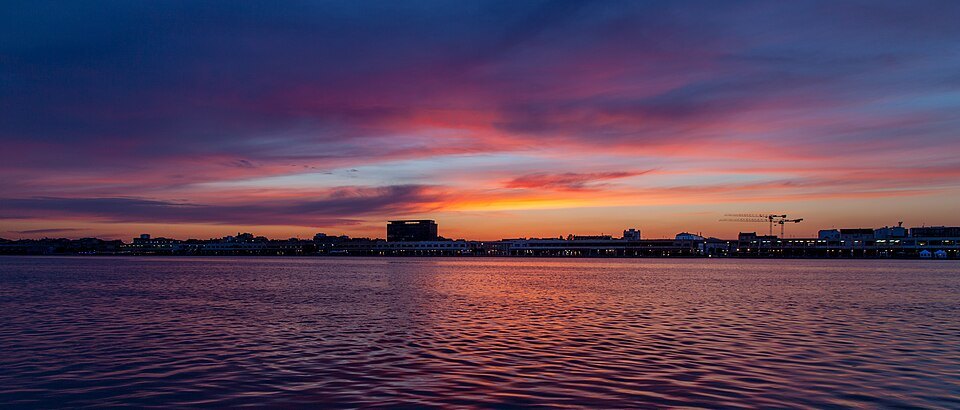
The Garonne rises in the Spanish Pyrenees and runs about 529 kilometers, through Toulouse and Bordeaux, to join the Dordogne and form the Gironde estuary. At Bordeaux it is fully tidal: its level and even its direction change with the tides, which explains the wet docks of the Bassins à Flot and the pontoons that rise and fall along the quays. At high spring tides a tidal bore, the mascaret, runs up the river, most visible upstream of the city between Langoiran and Podensac, where surfers ride it.
Commercial shipping has moved downstream to terminals along the estuary, so the Port of the Moon itself is now mostly a harbor for cruise ships, tall ships and river boats. The river shuttle crosses and runs along it; see getting around.
How to see it
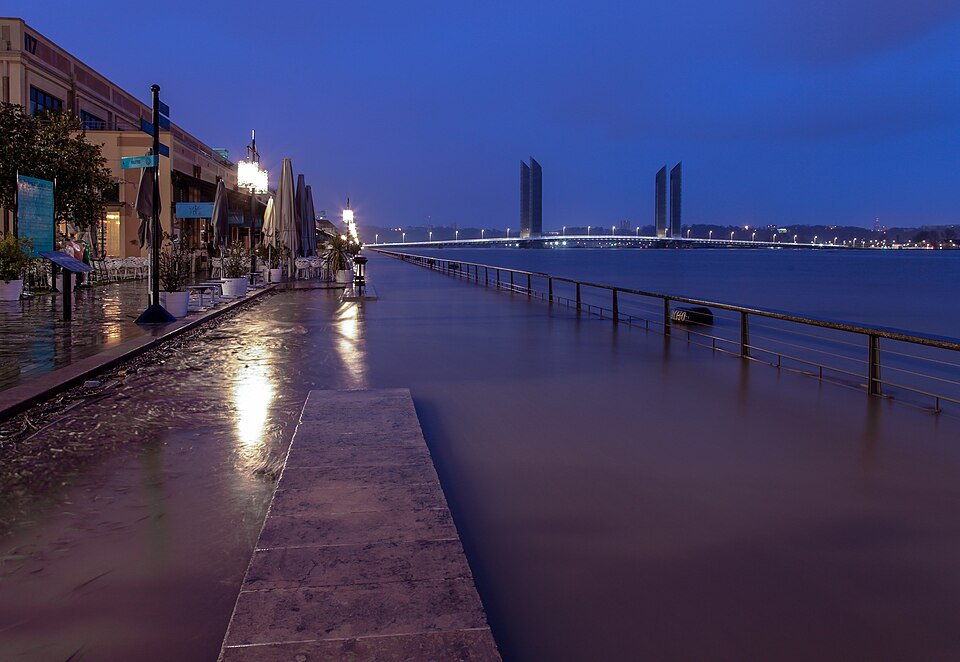
Walk the left bank from the Pont de Pierre to the Chartrons, about three kilometers and an hour without stops, then cross by the lift bridge or the shuttle and come back along the right bank for the view, or do the whole loop by bike. Start in the morning for the light on the right bank, or in the evening for the light on the city front. The itineraries build the quays into every plan, and the when to come page says when the Miroir d'Eau is running.
More photographs
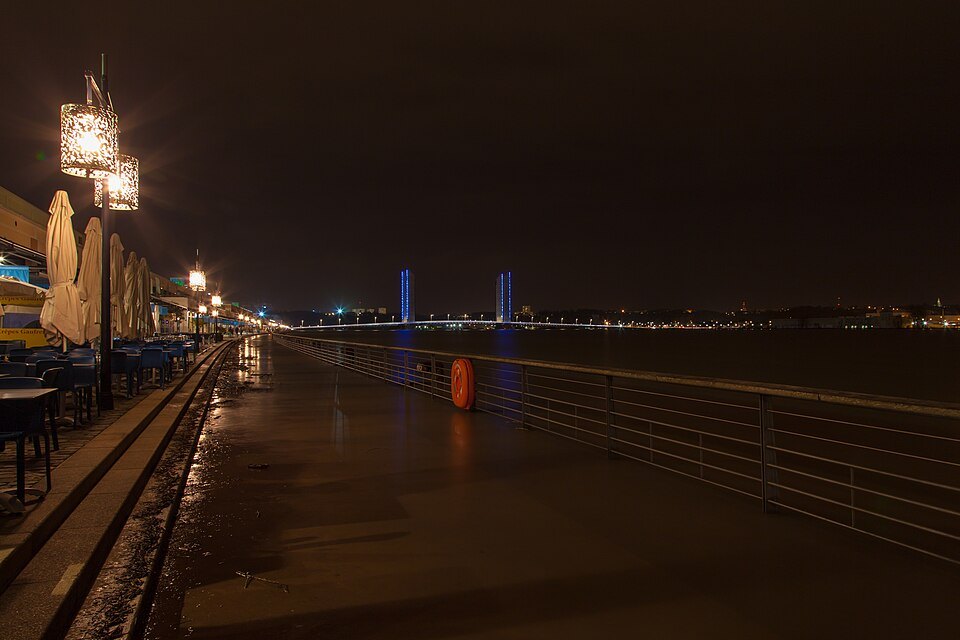
The river over the quay edge at night during the 2014 high tidesGrand Parc - Bordeaux, France from France, Wikimedia Commons, CC BY 2.0 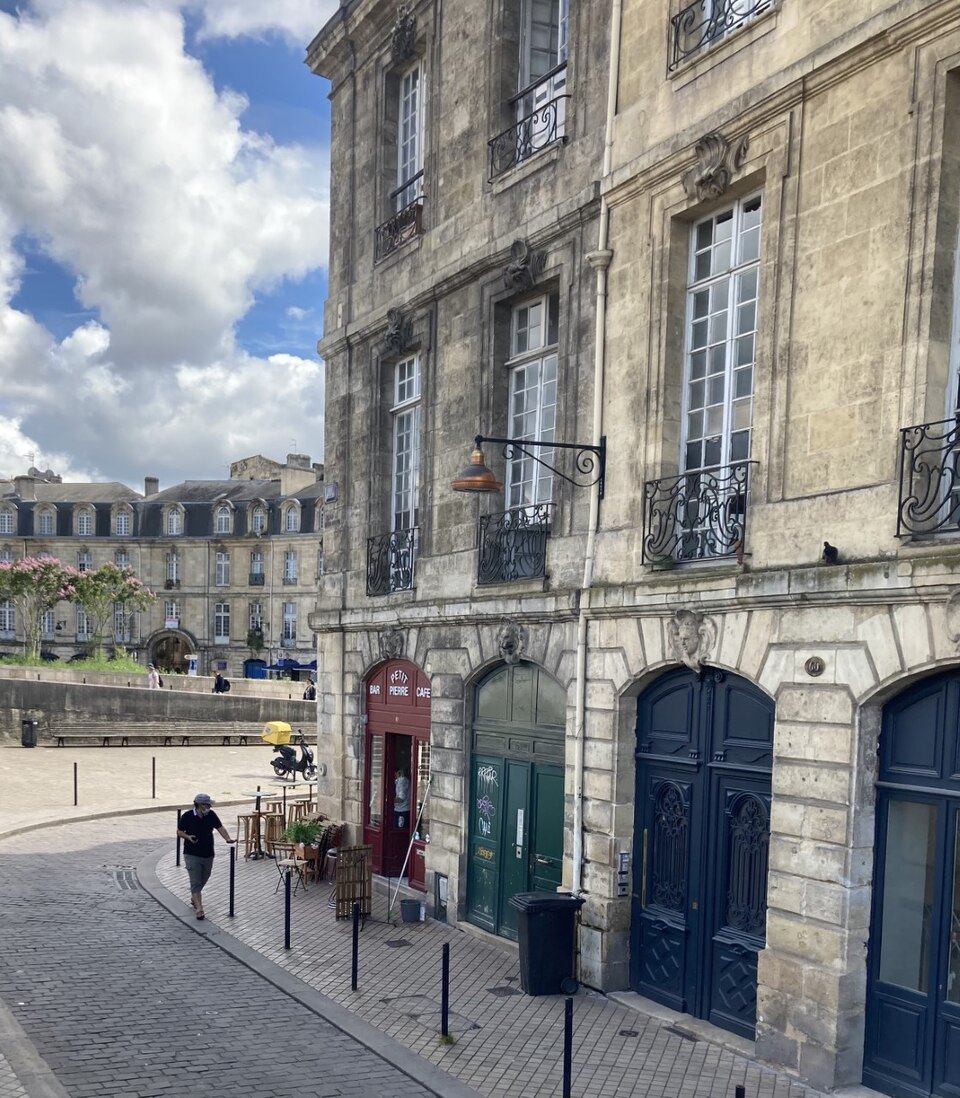
A café on the Quai Richelieu at the corner of a narrow streetThomon, Wikimedia Commons, CC BY-SA 4.0 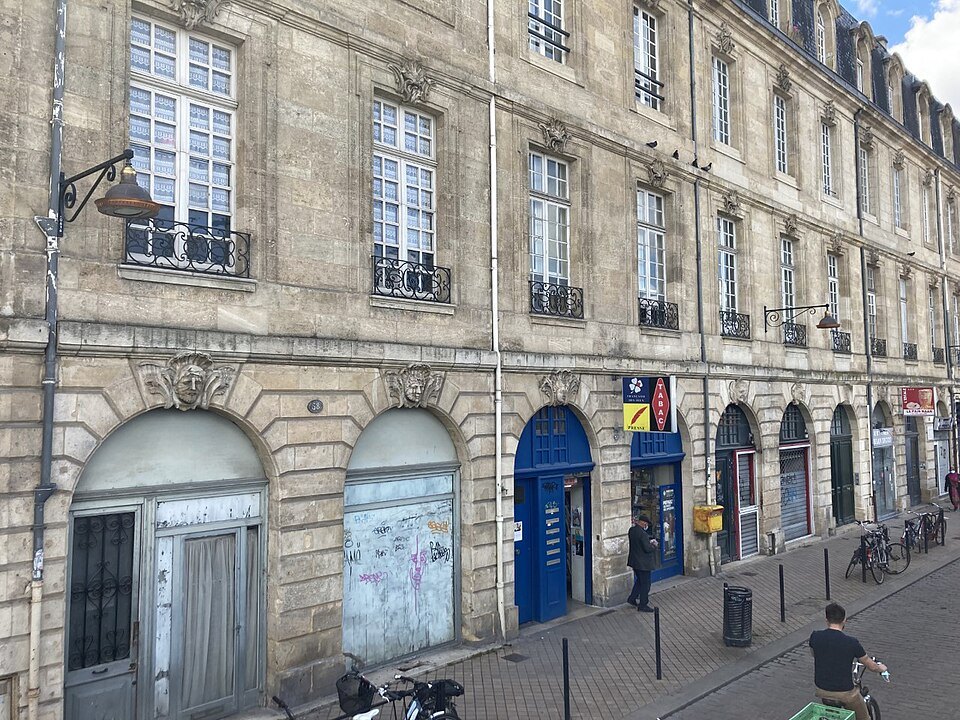
Arched shopfronts along the Quai RichelieuThomon, Wikimedia Commons, CC BY-SA 4.0