Home · Sights · The Musée d'Aquitaine
The Musée d'Aquitaine
- 01The Venus of LausselA prehistoric relief of a woman holding a horn, among the museum's founding treasures
- 02Roman BurdigalaAltars, tombstones, a bronze Hercules found in the city in 1832 and a Mithras altar
- 03The medieval roomsEleanor of Aquitaine, the pilgrim road and the three English centuries
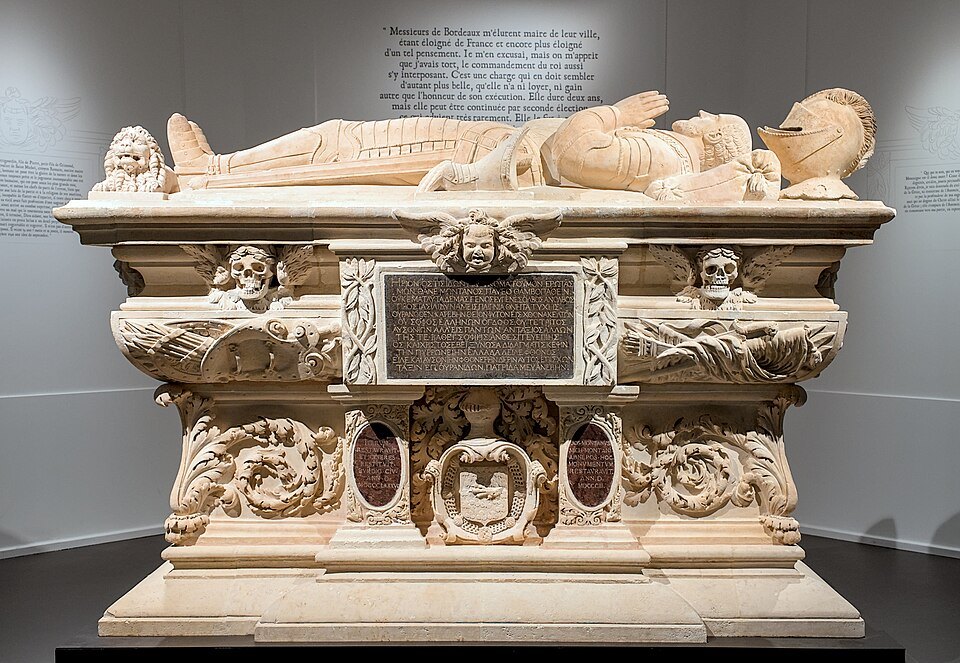
- 04Montaigne's cenotaphThe writer's funerary monument, beside a bust by Bernini
- 05The eighteenth century and slaveryFour rooms on the port's wealth and its human cost, opened in 2009
- 06Bordeaux, port of the worldThe city and its trade from 1800 to 1939, reopened in 2014
The story, and how to see it
Why it matters
If you want to understand Bordeaux rather than just admire it, this is the place. The Musée d'Aquitaine tells the history of the city and its region from prehistory to the twentieth century in more than 70,000 objects, and it does something many city museums avoid: it gives a whole section, opened in 2009, to Bordeaux's role in the Atlantic slave trade and the plantation economy that paid for the stone city outside.
It also holds the originals of things you will have seen elsewhere on your walk. The marble statue of Charles VIII made for the Porte Cailhau after the victory at Fornovo is here, and so are the surviving fragments of the equestrian statue of Louis XV that once stood in the Place de la Bourse.
The story
The museum grew from a lapidary museum founded by the Academy of Bordeaux in 1783, a collection of carved Roman stones. In 1960 it was merged with the prehistoric and ethnographic museum and a collection of arms and old objects, and in 1962, under the museum pioneer Georges-Henri Rivière, it took the name Musée d'Aquitaine. It first occupied a wing of the Palais Rohan complex.
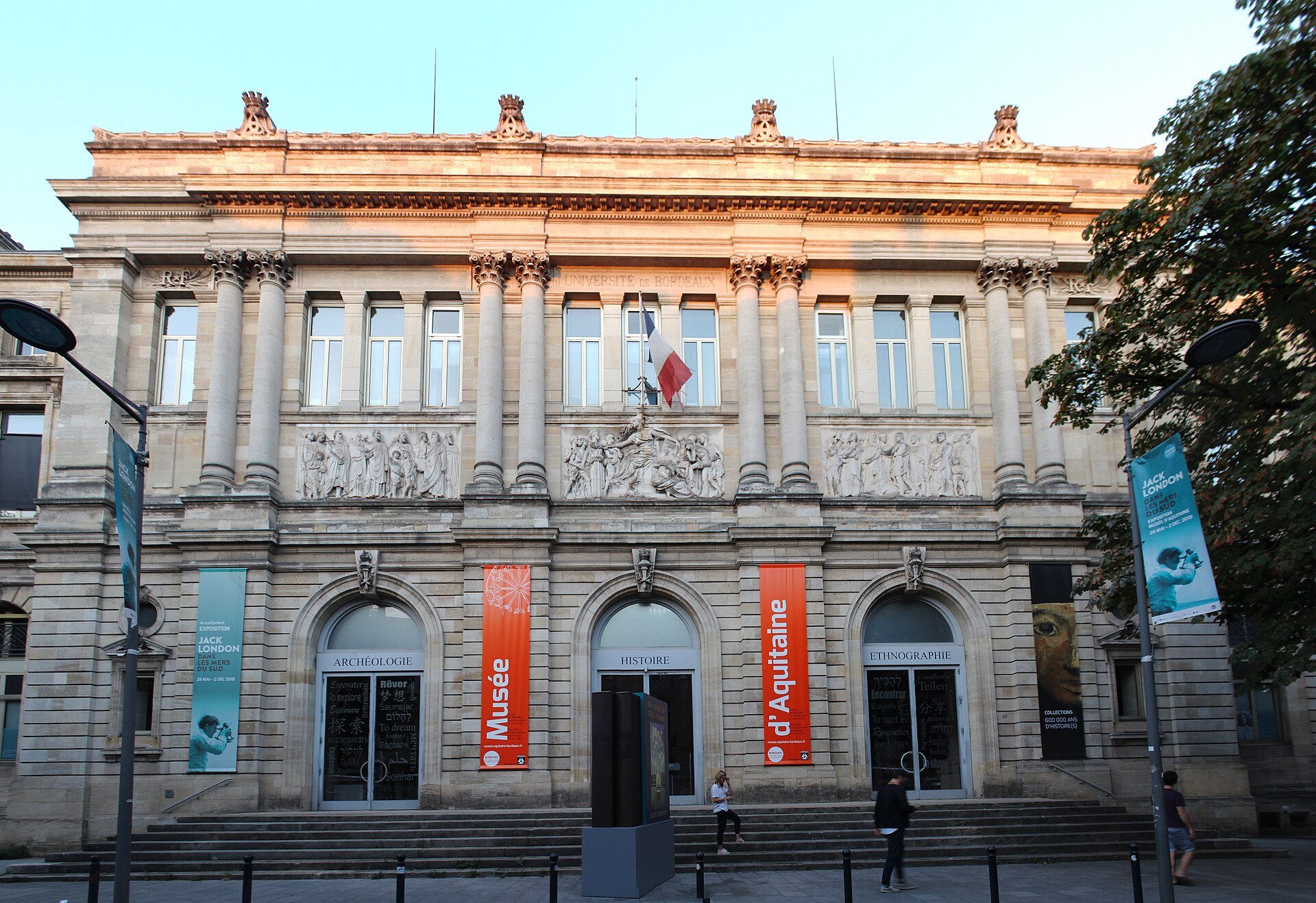
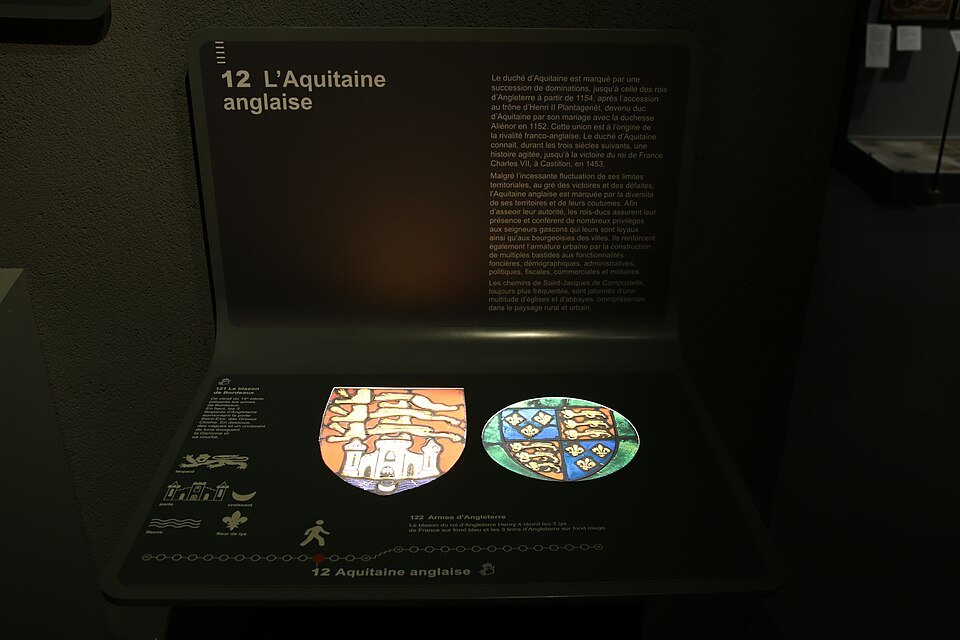
On 9 January 1987 it moved into its present home, the former faculty of letters and sciences on the cours Pasteur, built in the 1880s by the city architect Charles Durand on the site of two former convents. It also keeps the collections of the Centre Jean-Moulin, devoted to the Resistance, and of the Musée Goupil.
What you actually see
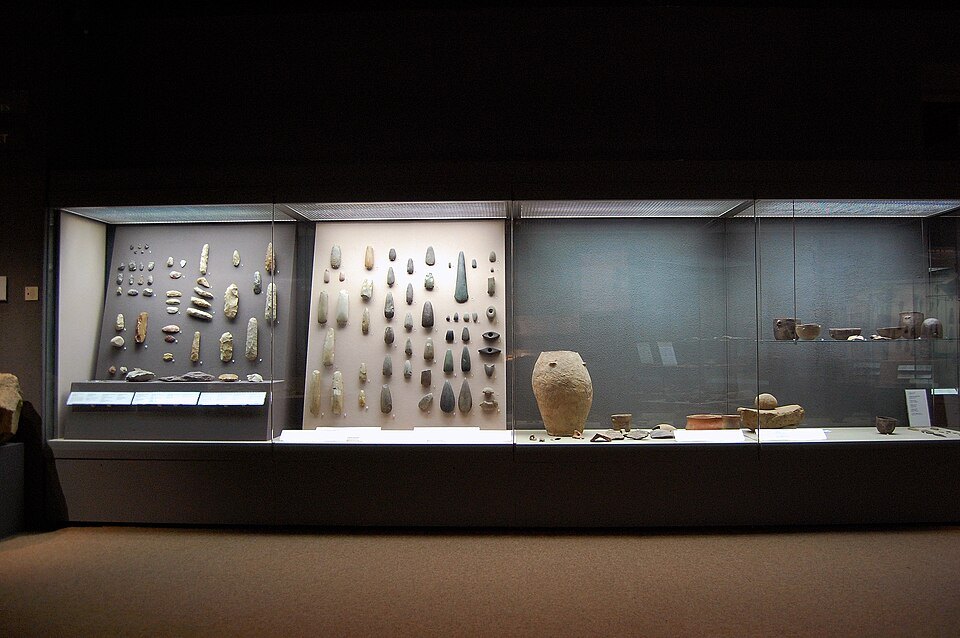
The collections fill two floors. The ground floor runs from prehistory to the early modern period. The prehistoric rooms hold the relief carvings of women from Laussel, among them the Venus with the horn, and a copy of the frieze of stags from Lascaux. The Iron Age rooms reconstruct a Gaulish smithy and show a gold torc and coins.
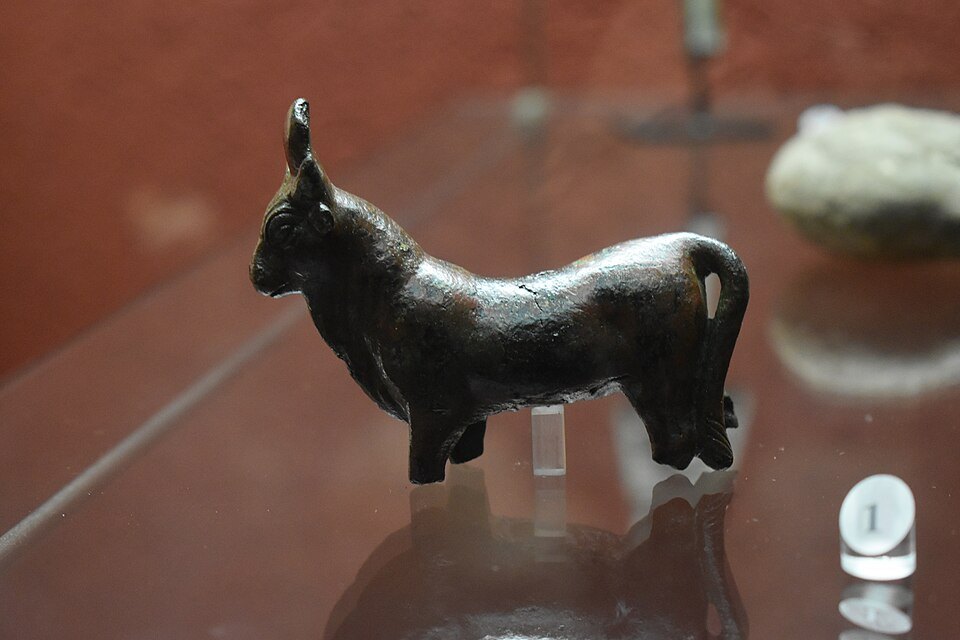
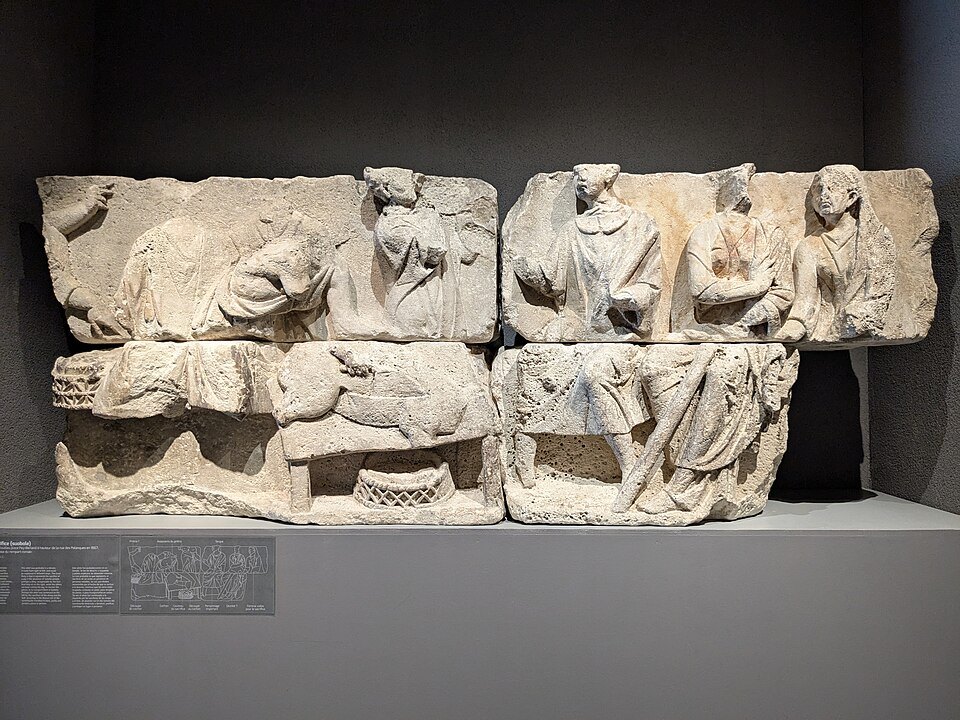
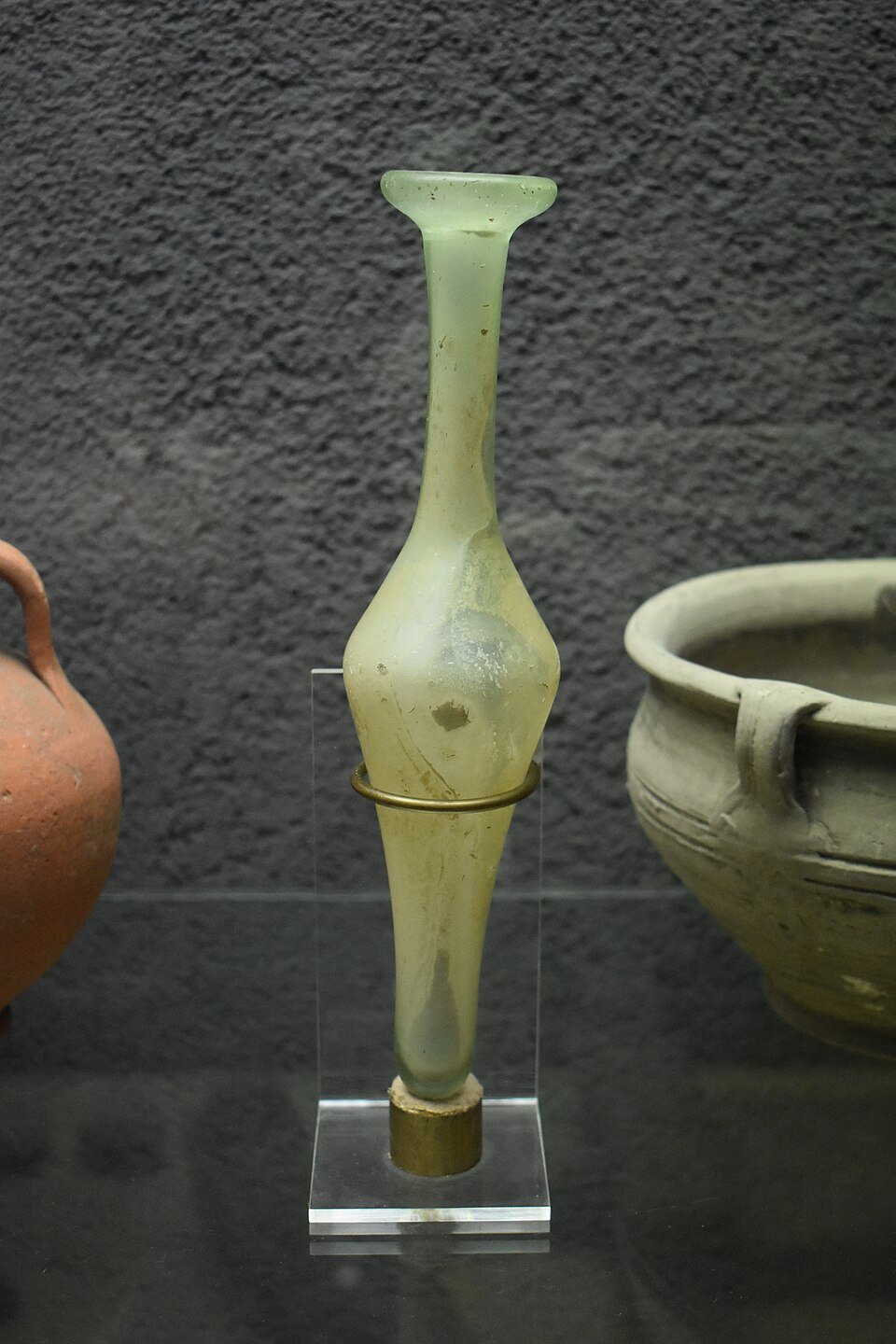
Roman Burdigala comes next: an altar that officially founded the city of the Bituriges Vivisci, an inscription recording the water supply paid for by a patron under the emperor Claudius, fragments of the great temple called the Piliers de Tutelle, tombstones of foreigners and craftsmen pulled from the base of the Roman wall, a bronze Hercules found in Bordeaux in 1832, and an altar from one of the largest temples of Mithras in Gaul, excavated on the cours Victor-Hugo in 1987.
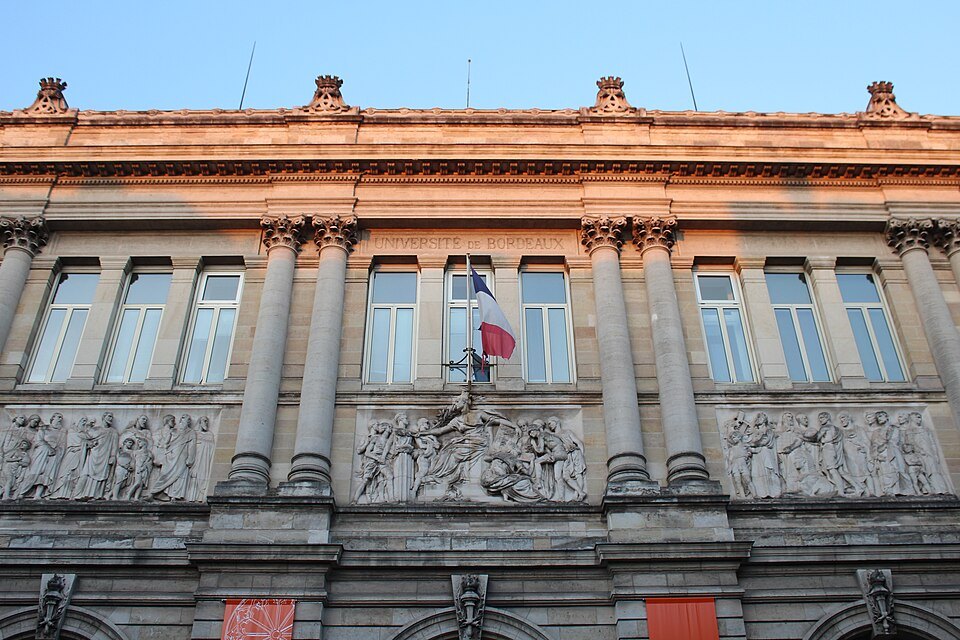
The medieval rooms cover six centuries, from the Norse destruction of 848 to the return of Aquitaine to France in 1453: Eleanor of Aquitaine, the pilgrimage to Compostela, the English kings, the vine and the wine trade with England, the Black Prince. Look for the rose window of the old Carmelite church and capitals from Saint-André. The early modern rooms hold the cenotaph of Michel de Montaigne, the tombs of the dukes of Épernon and a bust of Cardinal François de Sourdis by Bernini.
The same rooms follow Bordeaux into the sixteenth and seventeenth centuries: the humanists of the Collège de Guyenne, the city's turn to the Counter-Reformation, its hospitals and its trade with the islands and America, and the cod fisheries of Newfoundland, which made fortunes on the quays long before the sugar trade.
The slave trade rooms
Upstairs, 740 square meters are given to the eighteenth century. The first space shows Bordeaux as a prosperous provincial capital, with the remains of Louis XV's statue set against a reconstructed facade. The second covers the port and the slave trade: navigation instruments and ship models, a collection of six hundred prints, drawings and paintings from the Caribbean, and a short documentary drama built from the logbook of a slave ship's captain. Much of the plantation land of Saint-Domingue, now Haiti, was controlled by people from Aquitaine.
The third space describes life in the sugar islands, where a white minority of about 30,000 held all the rights over some 300,000 enslaved people: the sale of human beings, the organization of work, punishments, mortality, escape and revolt. The fourth follows the struggle for abolition on both sides of the ocean and its legacy in racial prejudice. The rooms are dim and immersive; give them time.
The following section, Bordeaux port of the world, reopened in 2014, carries the story from 1800 to 1939: the loss of Saint-Domingue, the new quays, basins and warehouses, and the port's links with Africa and the rest of the world. Since December 2025 the museum has also housed an interpretation center on Bordeaux as a World Heritage city.
How to visit
Allow two hours for a first visit, three if you read closely; the eighteenth-century rooms alone deserve forty minutes. The museum sets its own opening days and admission, including for temporary exhibitions, so check its site before planning a visit around it.
The Musée d'Aquitaine tram stop is outside the door, and the Hôtel de Ville stop is a short walk north. The cathedral and the Grosse Cloche are both within five minutes.
Honest notes
Some of the most famous objects, such as the Lascaux frieze and the recumbent effigy of Eleanor of Aquitaine, are reproductions, and the labels say so. The museum is strongest on archaeology and on the eighteenth century; if your time is short, go straight to those.
Nearby
- A short walk awaySaint-André CathedralConsecrated by Pope Urban II in 1096 and rebuilt in Gothic over three centuries.Read the page
- A short walk awayThe Grosse Cloche and Rue Saint-JamesA gate of the medieval walls that pilgrims to Compostela passed under.Read the page
- A short walk awayThe Palais Rohan and the Musée des Beaux-ArtsThe palace an archbishop built himself between 1771 and 1784.Read the page