The Chartrons
- 01The quai des ChartronsThe long river front of warehouses and merchants' houses, now a riverside promenade
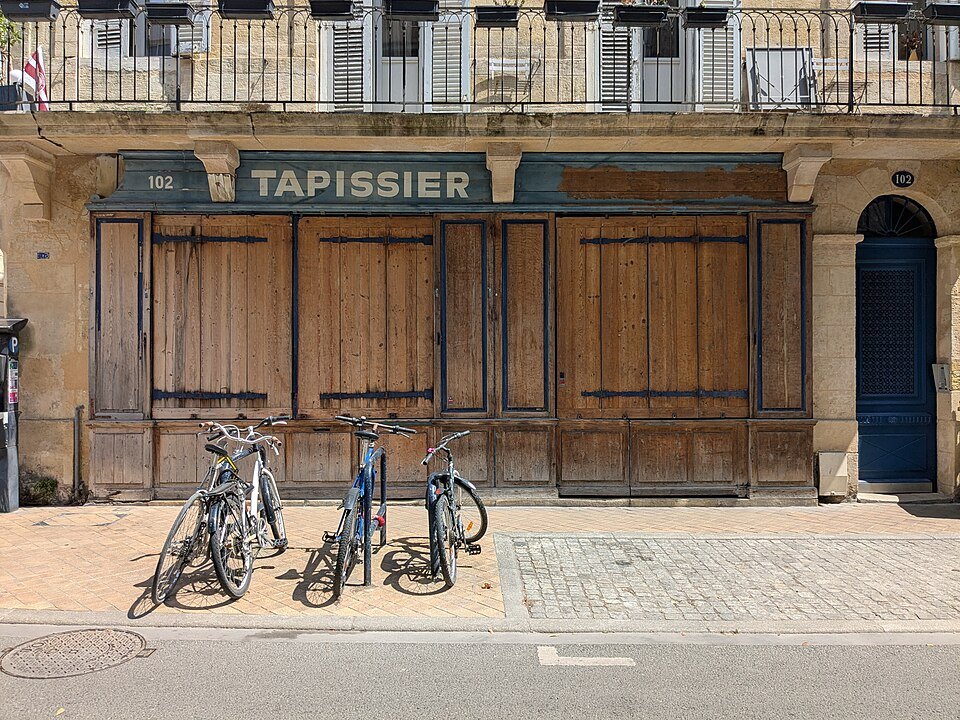
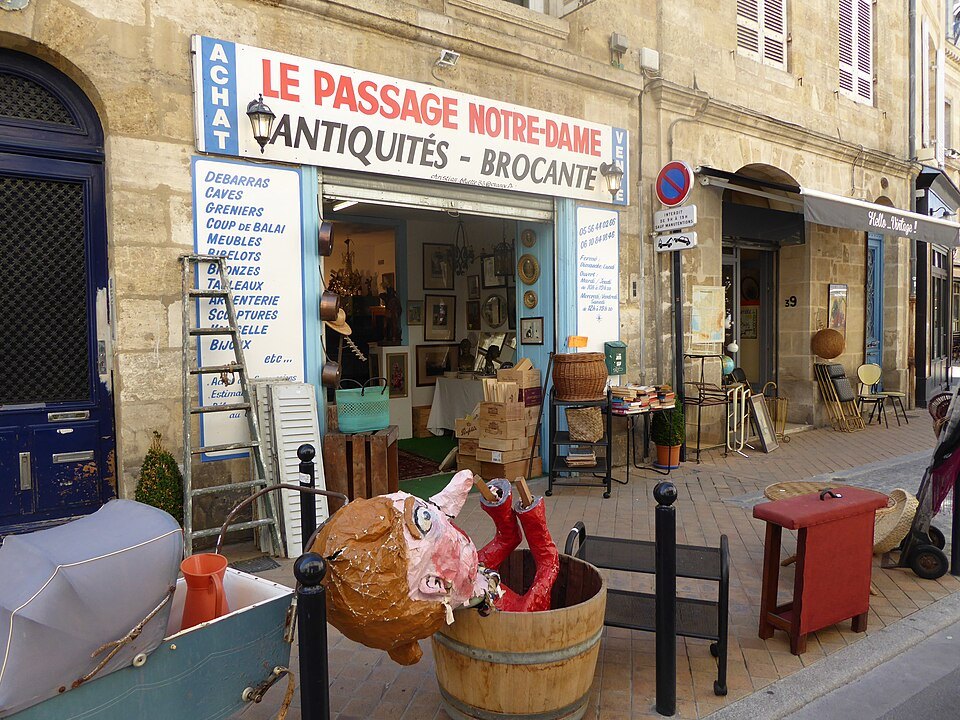
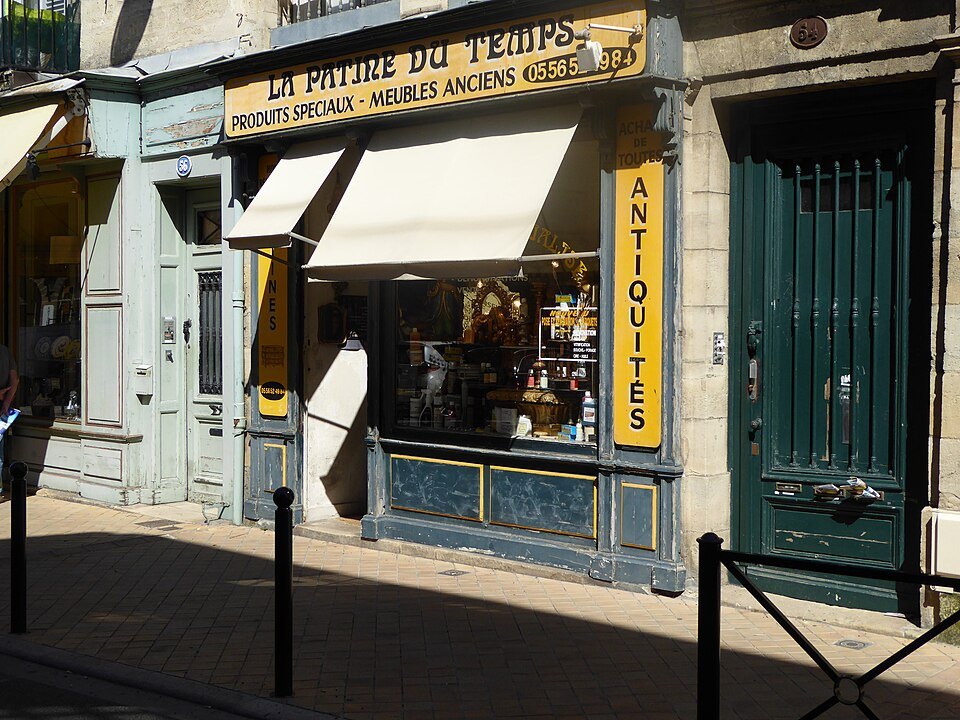
- 02The rue Notre-DameThe quarter's spine, lined with antique dealers and secondhand shops
- 03The Hôtel FenwickBuilt from 1793 as the home and office of the first American consul
- 04The Musée du Vin et du NégoceVaulted half-underground cellars of a merchant's house of 1720
- 05The Entrepôt LainéA customs warehouse of 1822 to 1824 for colonial goods, now the CAPC art museum
- 06The Temple des ChartronsA neoclassical Protestant church of 1835, built for the merchant community
- 07The market hallThe covered hall at the center of the quarter, where the neighborhood gathers
The story, and how to see it
Why it matters
If the Place de la Bourse is the face Bordeaux showed the world in the eighteenth century, the Chartrons is where the money was made. North of the old city, on the river between the Quinconces and the Bacalan docks, foreign merchants built a suburb of warehouses, cellars and houses that shipped the region's wine to northern Europe. Their families intermarried, stayed among themselves for generations and left their names on some of the most famous wine estates of the Gironde.
After the war the merchants moved away and the quarter went into decline. Since the early 2000s it has been restored, and it is now one of the most pleasant parts of the city to wander: antique shops, bistros along the river, people gathering around the market hall, and two museums that tell very different parts of the port's story.
The story
The name comes from the Carthusian monks, the Chartreux, who founded a monastery outside the walls in 1381. A suburb grew up around it on drained marshland. From the seventeenth century, English, Flemish and Irish merchants, who were obliged to live outside the walls, settled here and built a wine aristocracy that the rest of Bordeaux mocked as the aristocracy of the cork. Their neighbors called them Chartrons after the monastery, and the name stuck to the whole quarter.
Brokers and merchants rather than growers, they bought wine brought downriver by barge from the vineyards of the south-west, aged and blended it in huge warehouses along the Garonne and shipped it north. In 1723 an Irishman, Pierre Mitchell, opened the first glassworks in Bordeaux here; it became the largest bottle factory in France and made exporting wine in bottles far easier. Families from Alsace and the Rhône valley later joined the Anglo-Saxon founders, and their names survive in estates such as Léoville Barton, Lynch-Bages and Boyd-Cantenac.
The Protestant pastor Antoine Vermeil worked here from 1824 to 1840, founding a charity, a school and the neoclassical Temple des Chartrons, finished in 1835. The quarter's business life faded after the Second World War, its warehouses stood empty, and its reputation suffered, until the renovation of the quays in the 2000s turned it around.
What you actually see
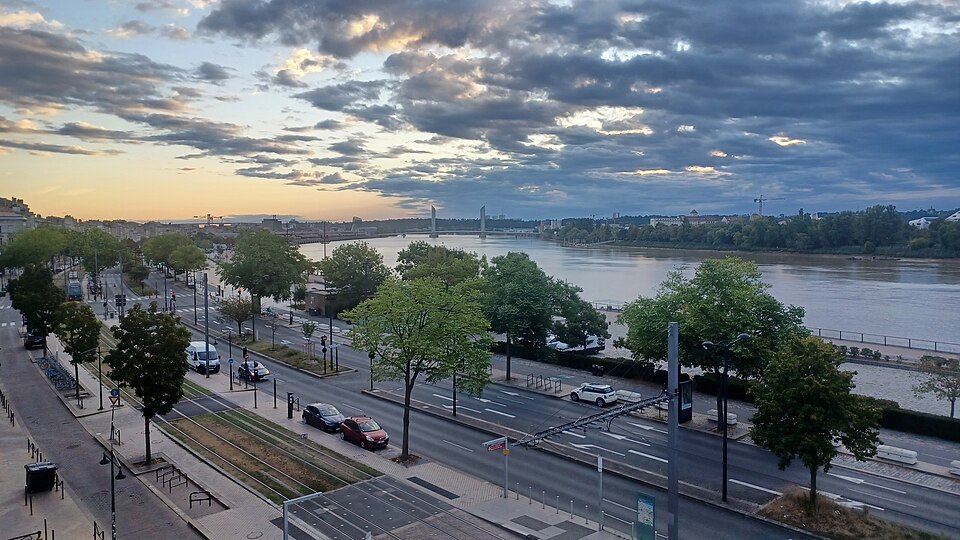
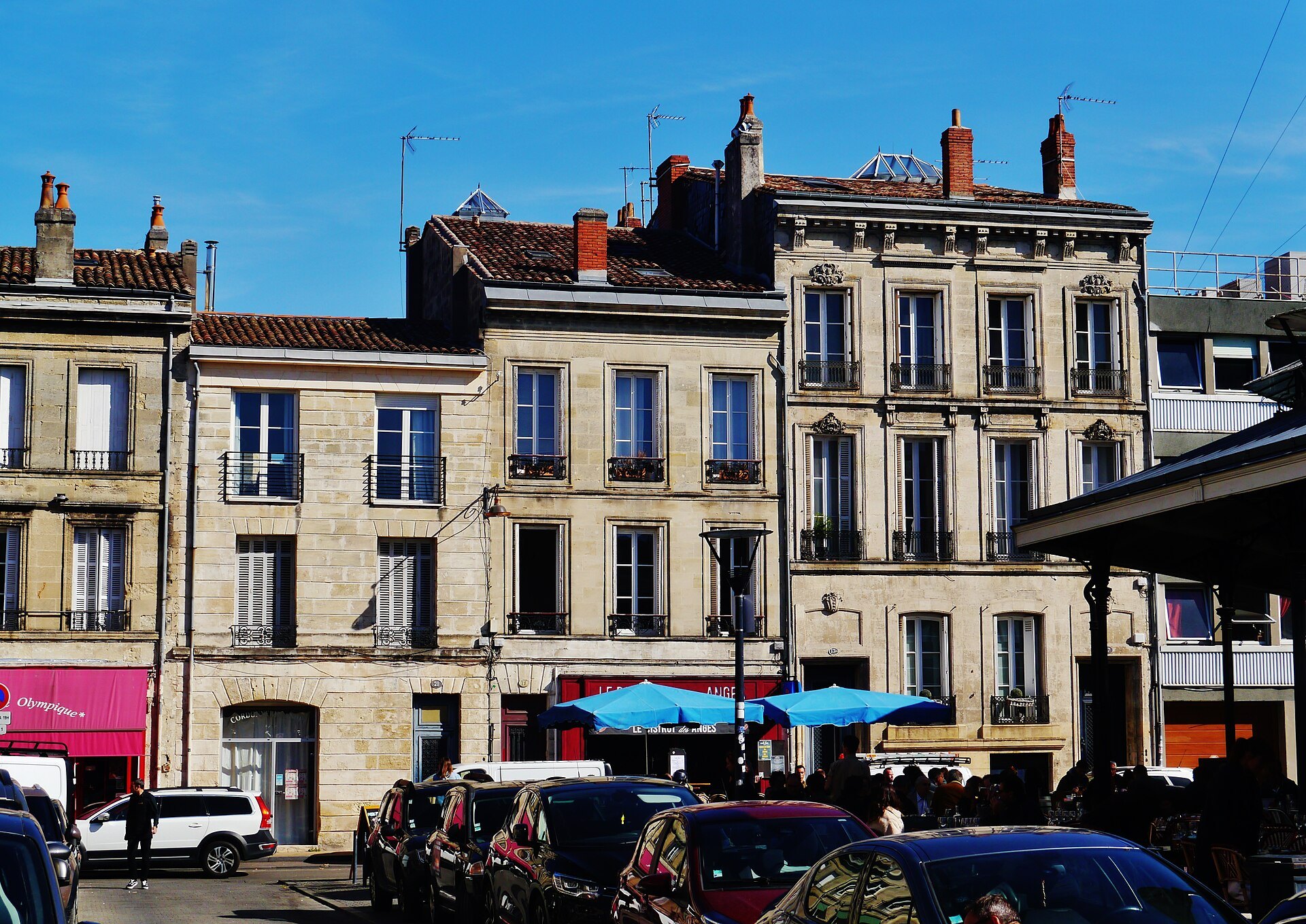
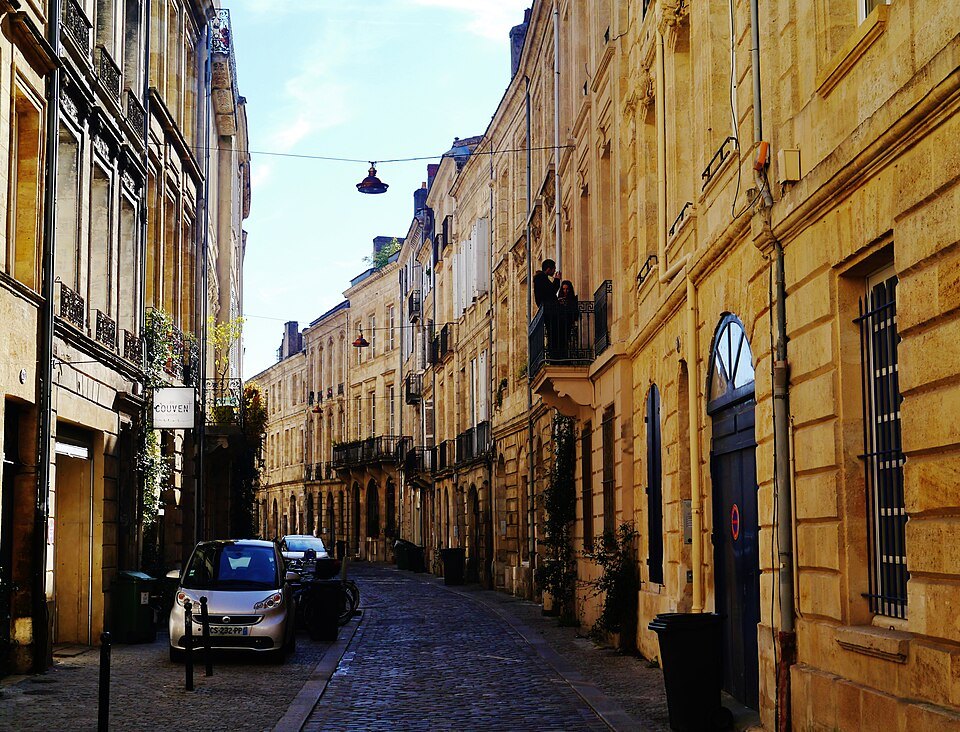
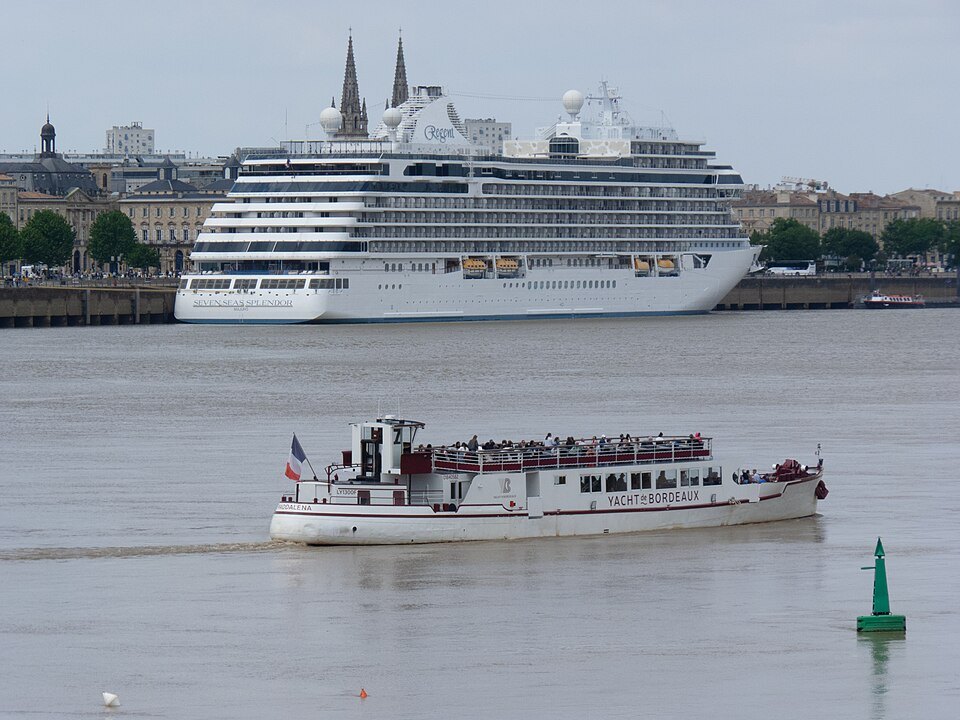
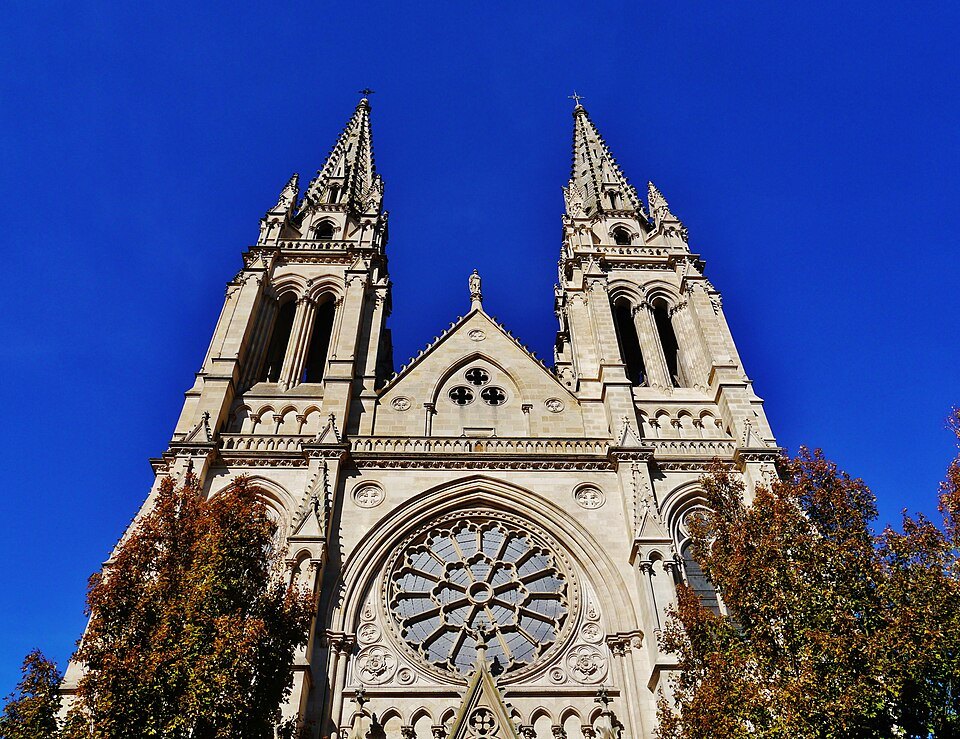
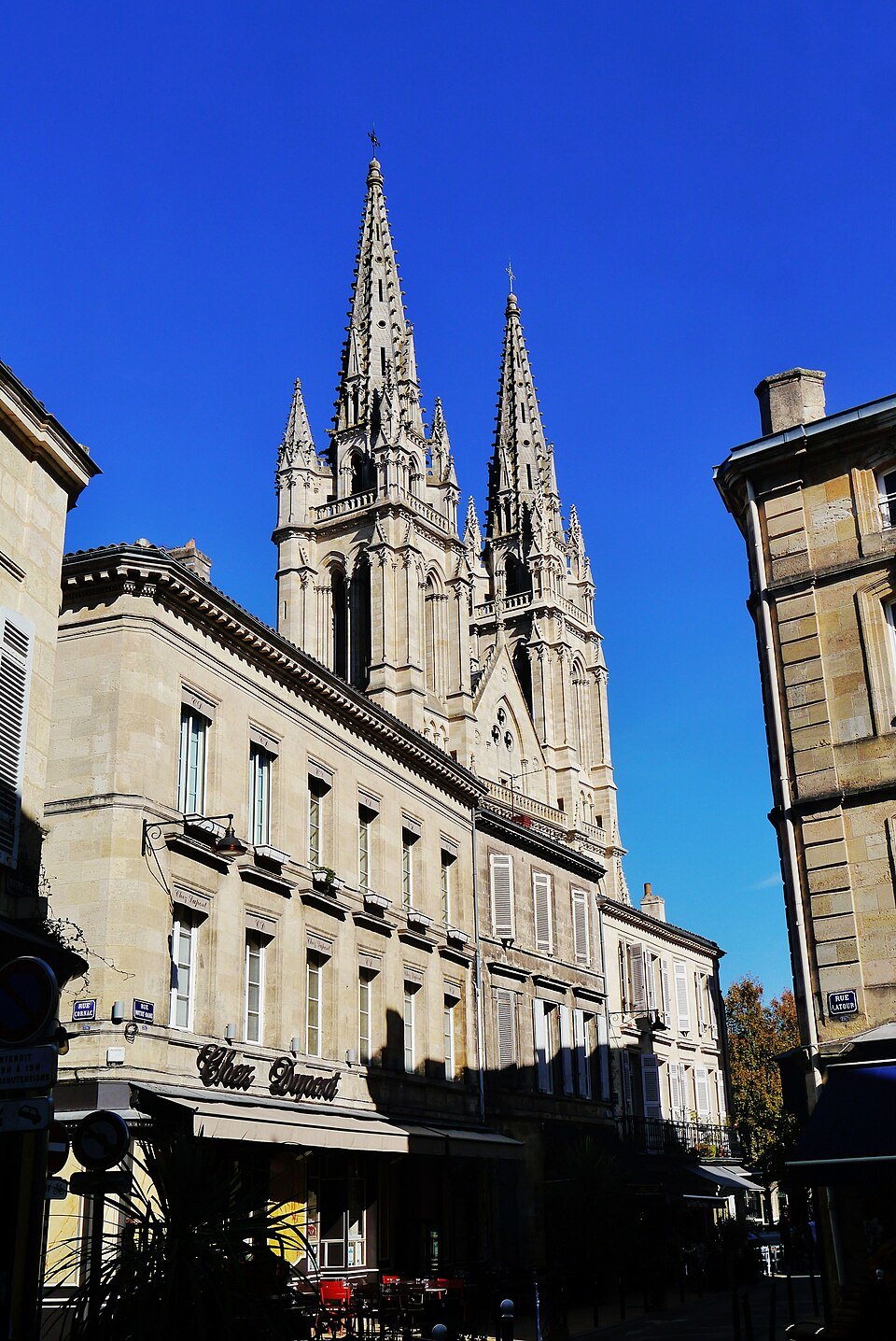
Walk the quai des Chartrons first, with the river on one side and the long front of merchants' houses and warehouses on the other; the renovated quays make it a promenade, busy on fine evenings. Then turn inland to the rue Notre-Dame, the old spine of the quarter, where antique dealers and secondhand shops have taken over the ground floors, and follow it to the covered market hall at the heart of the quarter. The neo-Gothic spires of the church of Saint-Louis-des-Chartrons rise over the rooftops.
On the quay, look for the Hôtel Fenwick, built between 1793 and 1800 by Jean-Baptiste Dufart for Joseph Fenwick, appointed by George Washington in 1790 as the first consul of the United States anywhere in the world. Two square lookouts on its slate roof let the consul watch ships come into port, the facade borrows its louvered shutters from American colonial houses, and two carved ships seem to sail out of the wall above the door, added around 1870.
At the southern edge of the quarter stands the Entrepôt Lainé, a vast bonded warehouse built between 1822 and 1824 by Claude Deschamps, the engineer of the Pont de Pierre. It stored sugar, coffee, cocoa, cotton and spices from the colonial plantations before they were shipped on across Europe; until slavery was finally abolished in 1848, much of that produce came from the labor of enslaved people. Since 1975 it has housed the CAPC, the city's museum of contemporary art, and a center for architecture, in the great arcaded hall.
The wine museum
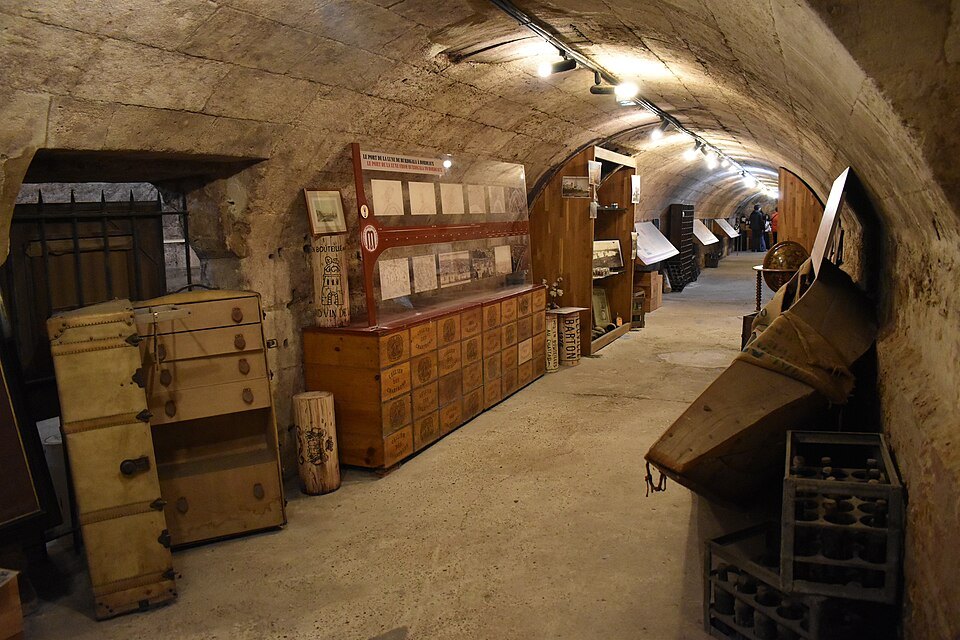
The Musée du Vin et du Négoce occupies a merchant's house of 1720 at 41 rue Borie, which once belonged to an Irish merchant, Francis Burke. A wine merchant working in the building discovered its history in 2007, showed some four thousand rugby fans round its cellars during the World Cup that year, and opened a museum in 2008. The exhibition is laid out in three vaulted cellars half below ground, with the reception and shop in the former cooperage above. It is the best place in the city to understand how the Bordeaux trade actually worked, and it makes a good pair with the global view of the Cité du Vin downstream.
How to visit
The Chartrons rewards a slow half day: an hour for the quay and the streets, an hour for the wine museum or the CAPC, and time for a drink by the river. The antique shops and the market hall are liveliest at the weekend. Nothing here needs booking in advance; the museums set their own opening days, so check them before planning around a visit.
The tram along the quays has stops named Chartrons and CAPC, one in the middle of the quarter and one at its southern end, on the line that continues to the Cité du Vin. The Jardin Public is a few minutes west, and the Bassins à Flot and the Cité du Vin lie further north. The neighborhoods page covers the Chartrons as a place to stay.
Honest notes
The quarter's charm is recent: within living memory it was run down, and some visitors are surprised how new the polish is. The wine trade that built it had its darker side too; the same quays handled the colonial goods of the slave economy, and the CAPC's building is a direct reminder. The Musée d'Aquitaine tells that part of the story.
Nearby
- A short walk awayLa Cité du VinA curving tower of glass and aluminum on the river at the Bassins à Flot.Read the page
- A short walk awayThe Bassins à Flot and the Submarine BaseTwo locked basins of 1879 and 1912 that kept ships clear of the Garonne's tides.Read the page
- A short walk awayThe Jardin PublicThe city's garden since 1756.Read the page