The medieval wine village of Saint-Émilion, the resort of Arcachon and the tallest sand dune in Europe, the great châteaux of the Médoc and Vauban's citadel at Blaye, all within a day of Bordeaux.
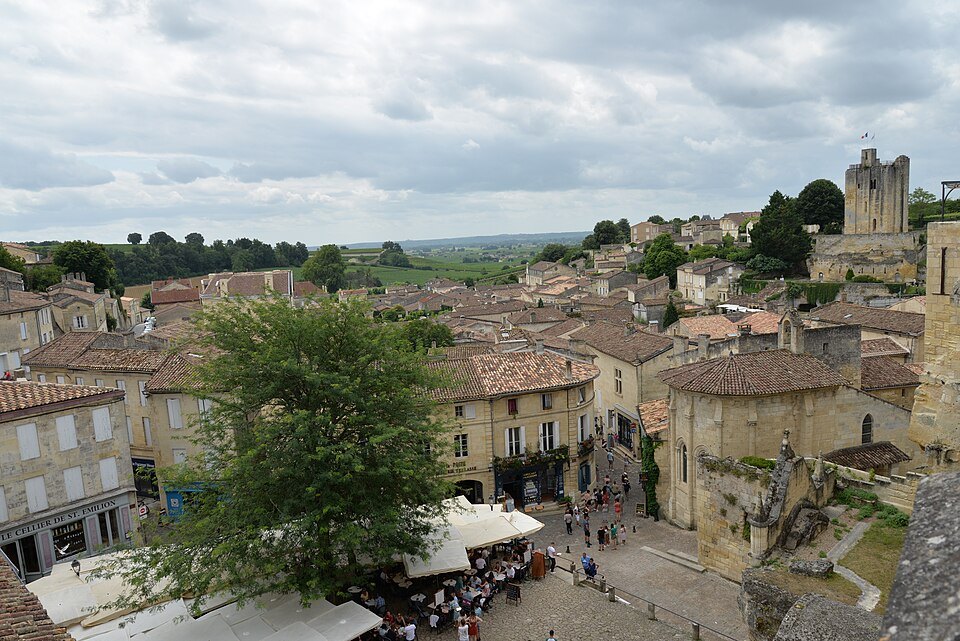
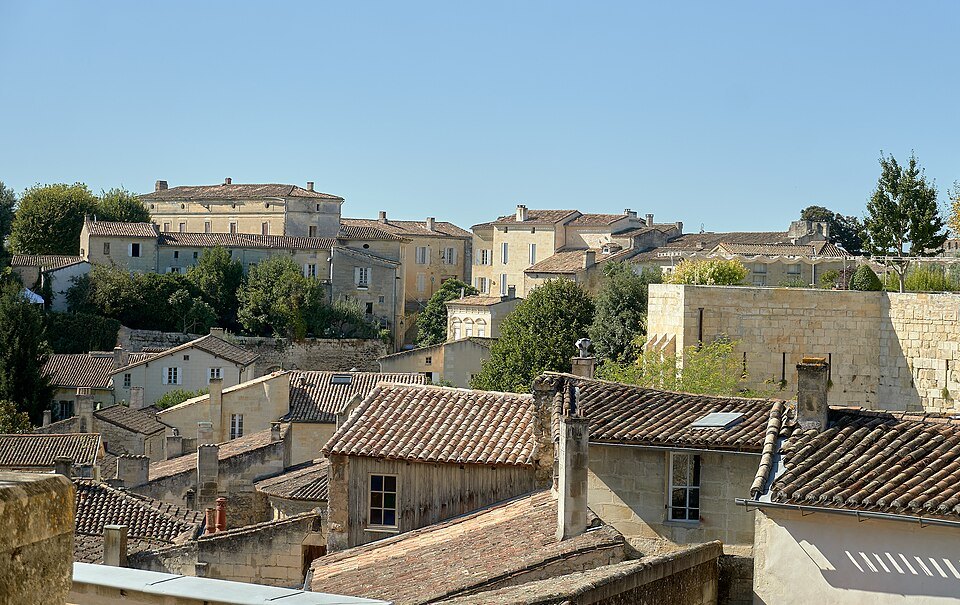
Saint-Émilion's roofs and squares below its bell towerCalips, Wikimedia Commons, CC BY-SA 3.0Regional train toward Libourne, or a tour or carSaint-ÉmilionA medieval village of steep lanes and a church cut into the rock, in a UNESCO-listed wine landscape
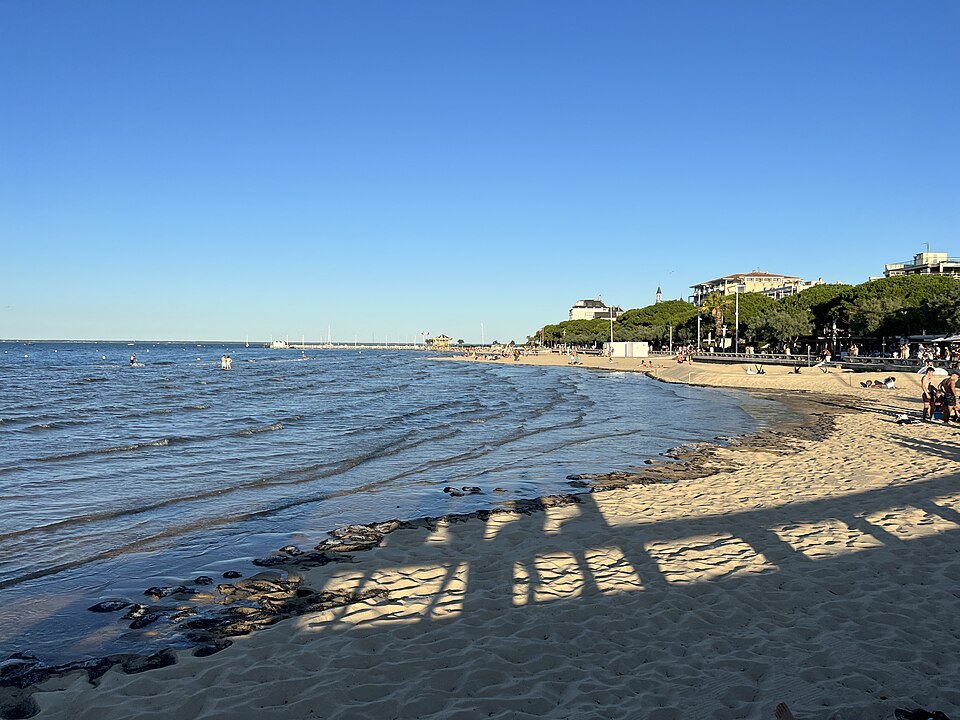
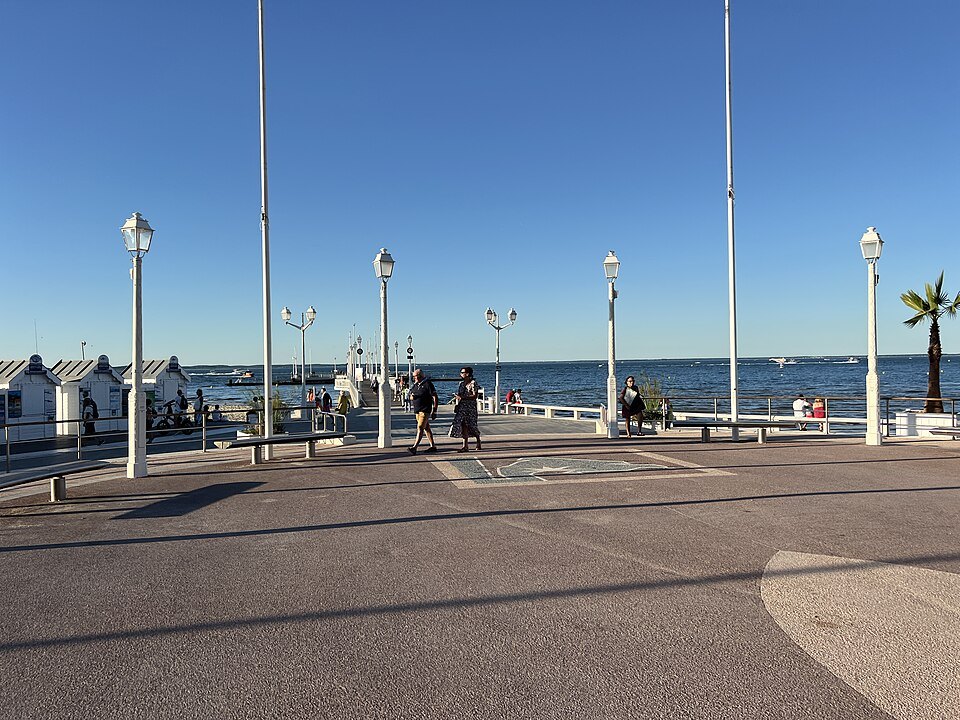
The beach at Arcachon, the town along the shoreChabe01, Wikimedia Commons, CC BY-SA 4.0Regional train from Saint-JeanArcachonA seaside resort of nineteenth-century villas on the bay, 55 kilometers south-west, famous for its oysters
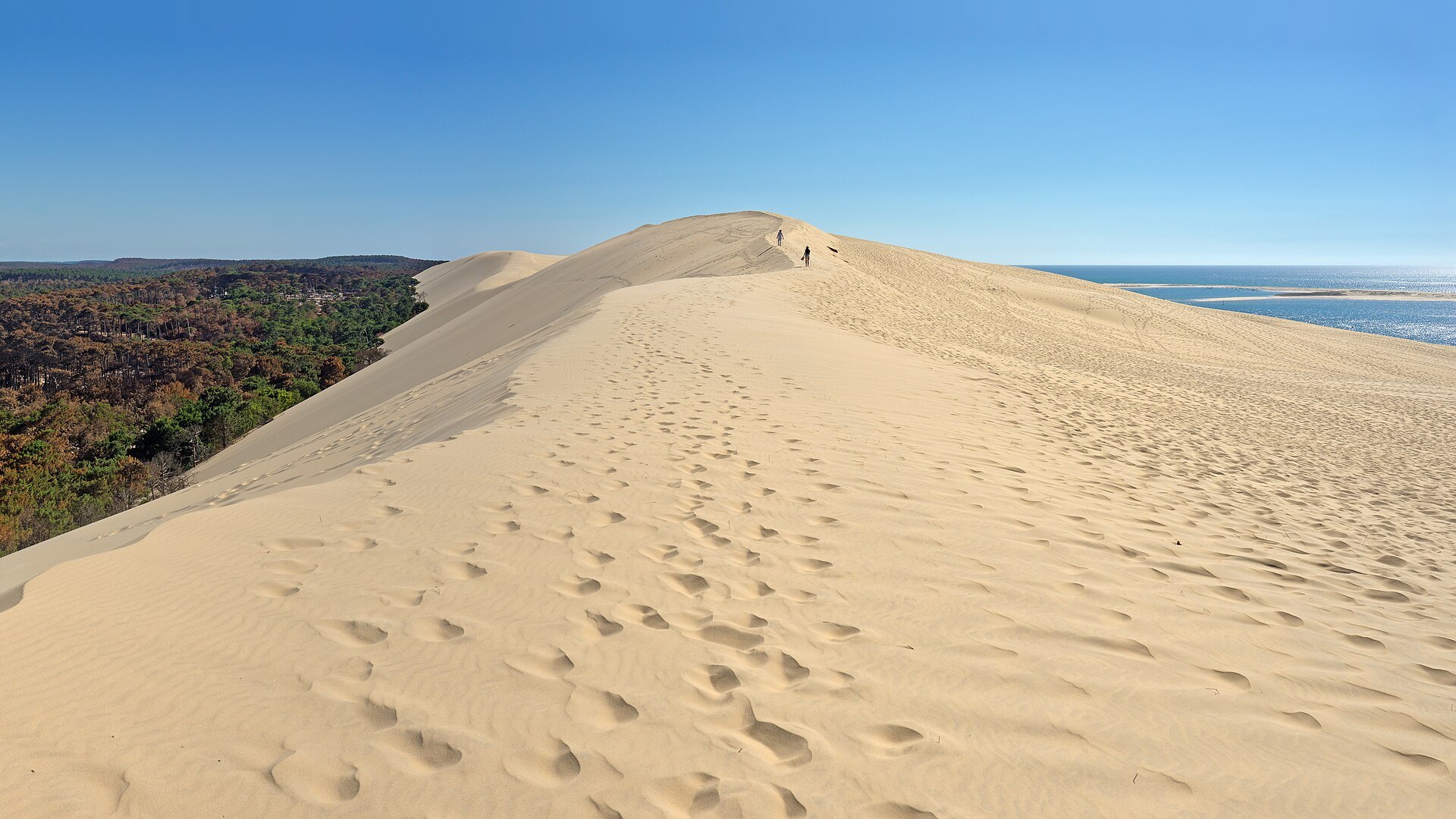
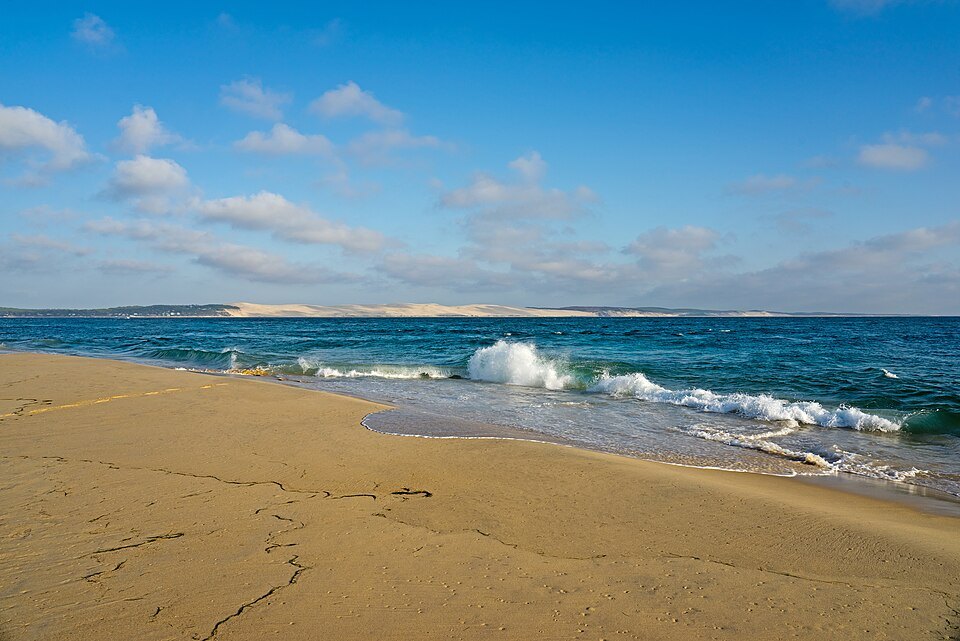
Waves on a beach across the bay from the Dune du PilatJörg Braukmann, Wikimedia Commons, CC BY-SA 4.0Beyond Arcachon by local transport or carThe Dune du PilatThe tallest sand dune in Europe, nearly three kilometers long and more than 100 meters high
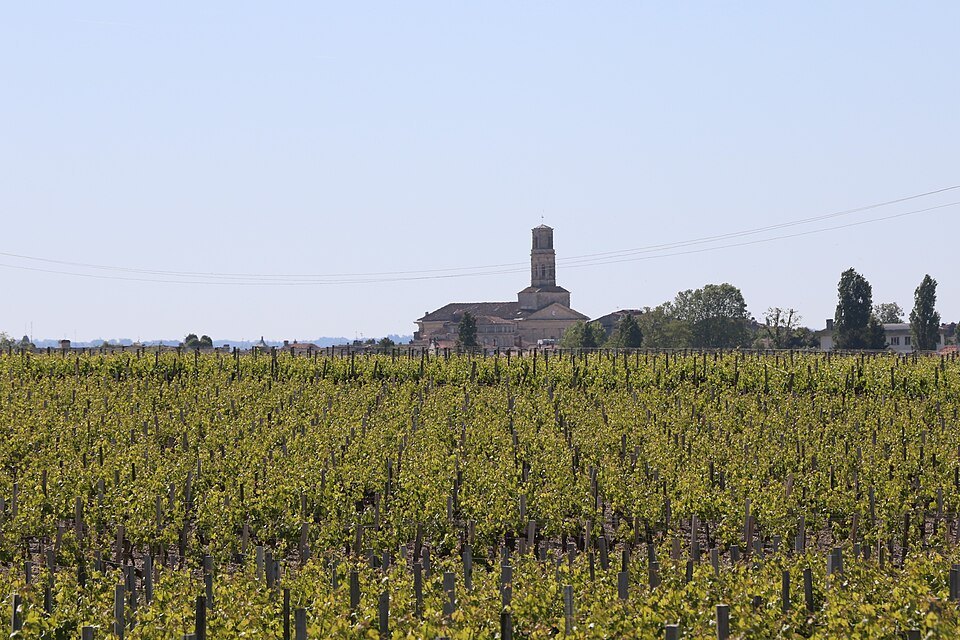
Vineyards at Pauillac in the Médoc, a church tower beyondAnthony Baratier, Wikimedia Commons, CC BY-SA 4.0Car or organized tourThe MédocThe wine peninsula north-west of the city, home to all but one of the red wines of the 1855 classification
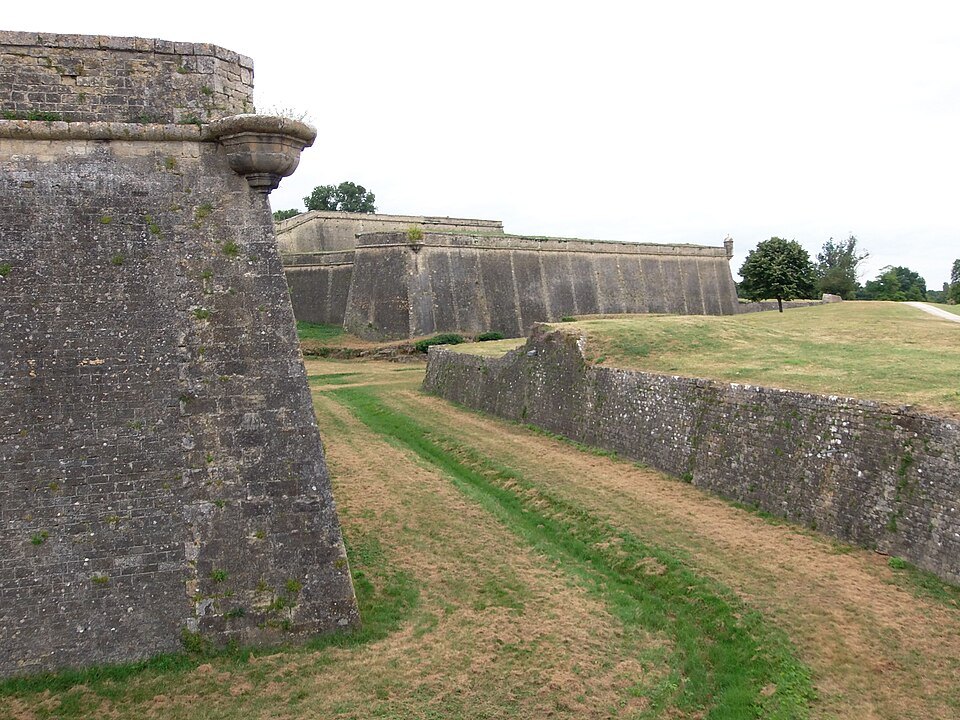
The ramparts and ditch of the citadel of BlayeFranck-fnba, Wikimedia Commons, CC BY-SA 4.0Car or coachBlayeVauban's citadel of the 1680s over the Gironde estuary, part of a UNESCO World Heritage listing
In full
Day Trips
Choosing a day out
Bordeaux sits at the center of its region, and within a day you can be among some of the most famous vineyards in the world, on the Atlantic coast at the foot of Europe's tallest dune, or on the ramparts of a Vauban fortress over the Gironde estuary. The trips below are the classics. Two, Saint-Émilion and Arcachon, are easy by train; the Médoc and Blaye are much easier by car or with a tour.
Stone houses and roofs of Saint-Émilion on its hillsidelondonexpat, Wikimedia Commons, CC BY-SA 2.0
For the wine trips, remember that many estates receive visitors by appointment; see booking ahead and the wine city. The itineraries page shows where a day trip fits in a longer stay.
Saint-Émilion
Saint-Émilion is a medieval village on the wine hills east of the city, in the Libournais between the Dordogne and the Isle. It is named after Émilion, a Breton monk who lived as a hermit in a rock shelter here until his death in 767, and the monks who followed him began making wine commercially. The village and its surrounding vineyards were inscribed as a UNESCO World Heritage cultural landscape in 1999, as an outstanding example of a historic wine landscape.
Its steep, narrow lanes, called tertres, climb between the hermitage, the monolithic church carved out of the rock, the collegiate church, the archbishops' palace and the remains of the walls, with vineyards pressing right up to the houses. Some eight hundred wine estates share the Saint-Émilion appellations, and the village is known too for its almond macaroons, made continuously since 1620 from a recipe handed down by Ursuline nuns. It draws about a million visitors a year, so arrive early.
The Jetée Thiers on Arcachon's seafront promenadeChabe01, Wikimedia Commons, CC BY-SA 4.0
Regional trains run from Saint-Jean toward Libourne, the nearest town, and tours leave from Bordeaux; with a car, you can combine the village with a visit to an estate.
Arcachon and the Dune du Pilat
Arcachon is a seaside resort on the bay of the same name, 55 kilometers south-west of Bordeaux in the Landes forest. It grew almost from nothing after the railway from Bordeaux arrived in 1857, the year Napoleon III made it a town, as sea bathing became fashionable with the Bordeaux bourgeoisie. Its older houses are villas in a style known as the Arcachonnaise, and its sheltered bay is one of France's great oyster-farming areas, with about 175 hectares given over to oysters.
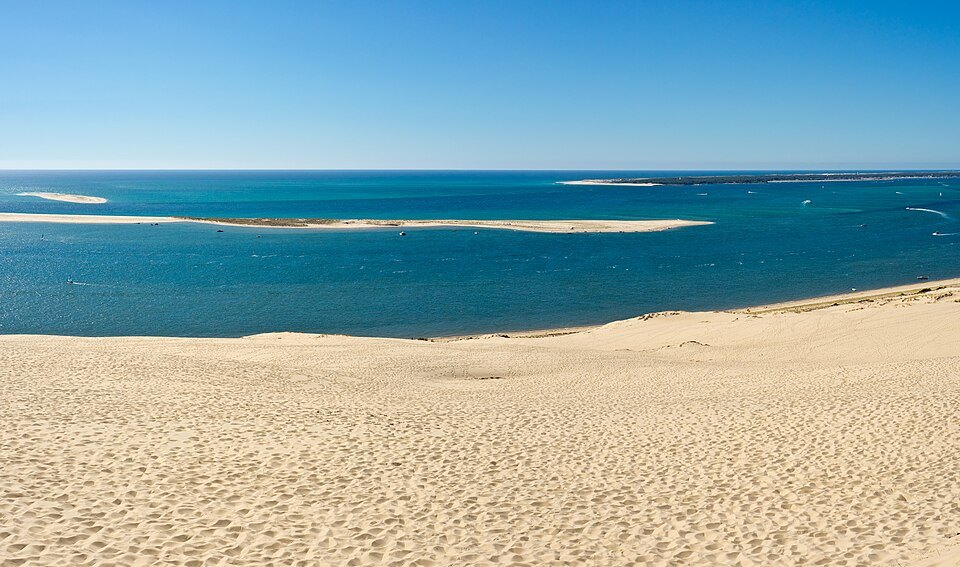
At the southern entrance to the bay stands the Dune du Pilat, the tallest sand dune in Europe, nearly three kilometers long, about 500 meters wide and more than 100 meters high, in the resort of Pyla-sur-Mer near Arcachon. It is moving slowly inland, burying the pine forest behind it, and nearly two million people climb it every year for the view over the ocean, the bay and the forest. Paragliders launch from its crest in good conditions.
The Atlantic and a sandbank beyond the sand of the Dune du PilatJörg Braukmann, Wikimedia Commons, CC BY-SA 4.0
Regional trains run from Saint-Jean to Arcachon; from Arcachon, the dune is a short trip further south by local bus or by car. Go early in summer, when the sand gets hot and the paths busy, and take water and sun protection; there is no shade on the dune.
The Médoc
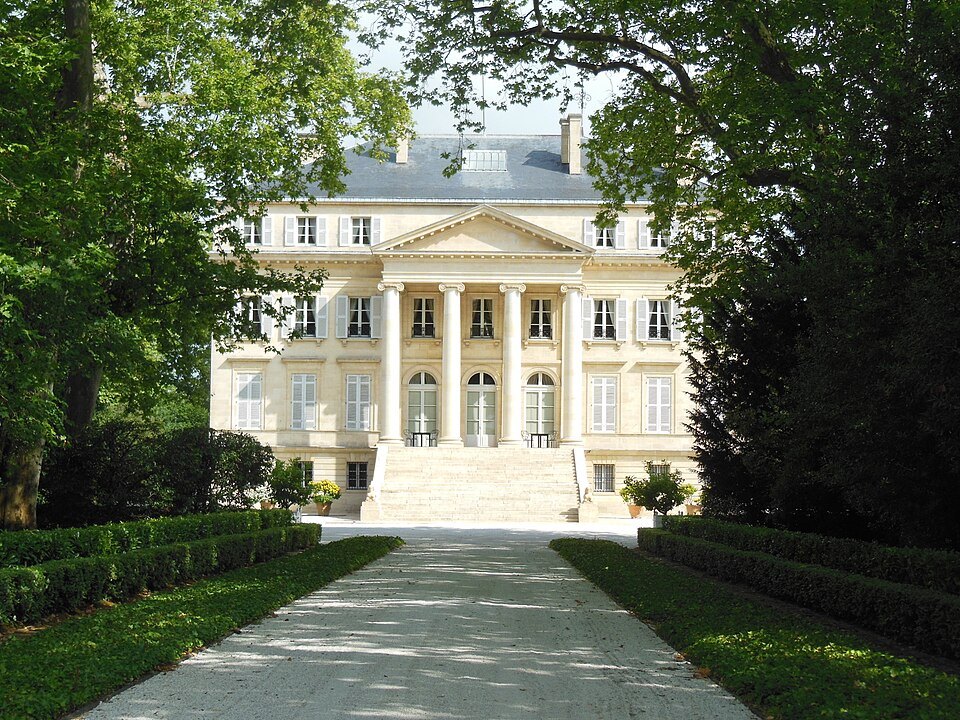
The Médoc is the peninsula north-west of the city, between the Gironde estuary and the Atlantic, a flat country of gravel soils, pine forests and long sandy beaches. Its name comes from the Medulli, the Celtic people who lived there. With the exception of Château Haut-Brion in the Graves, all the red wines ranked in the 1855 classification come from here, and some 1,500 vineyards line the road along the estuary.
Its soils drain well, and the gravel in them holds the heat that ripens the grapes. The wine was long shipped through the merchants of the Chartrons. The châteaux are spread out and public transport is thin, so a car, a guided tour or a boat trip from the pontoon by the Cité du Vin is the practical way to see them. Book estate visits ahead, and do not drink and drive.
Blaye and the estuary
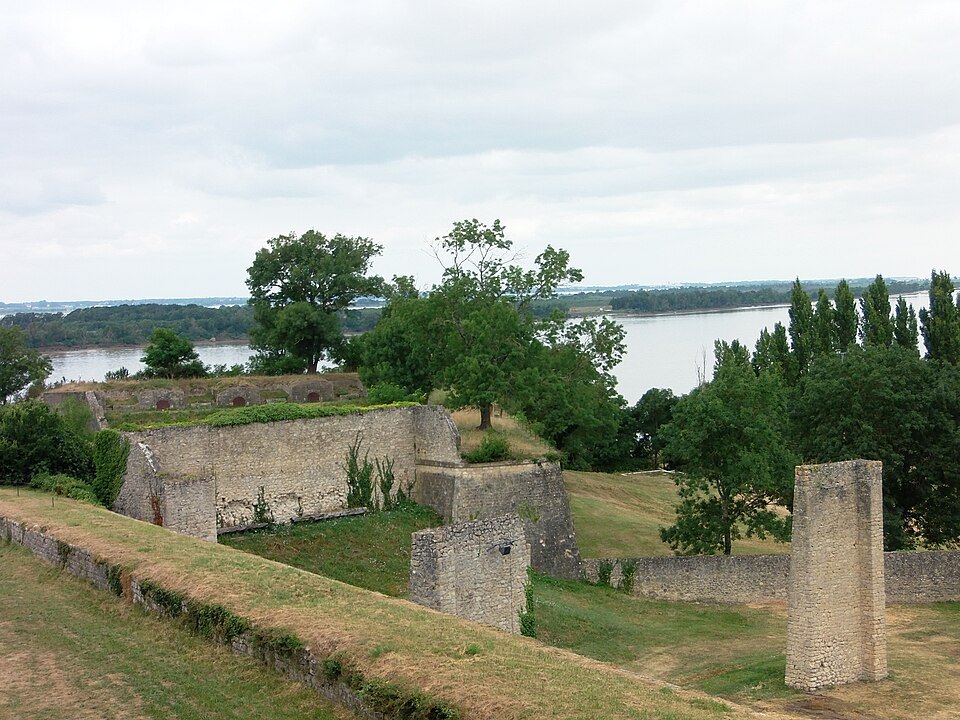
On the right bank of the Gironde estuary, north of the city, the citadel of Blaye is a fortified complex of twenty-five hectares built between 1685 and 1689 by François Ferry under the supervision of Vauban, on a rocky spur thirty-five meters above the water. With a fort on an island in the estuary and another on the opposite bank, it formed the lock that controlled shipping up to Bordeaux. Since 2008 it has been one of the twelve major sites of Vauban's fortifications on the UNESCO World Heritage List.
Château Margaux at the end of its tree-lined drive, in the MédocJibi44, Wikimedia Commons, CC BY-SA 4.0
Inside the walls, which enclose four bastions and three half-moons, stand a parade ground, a former convent and barracks, and remains of the medieval castle. The citadel is best reached by car or coach, and it combines well with the vineyards of the Côtes de Blaye around it.
Planning the day
Pick one destination a day rather than two: Saint-Émilion and the Médoc lie on opposite sides of the city and the rivers, and the coast is a trip of its own. Trains leave from Saint-Jean, which the tram links to the center; check the regional timetable the day before, since services thin out on Sundays and outside the summer season.
In summer, the coast and the dune are busiest in the middle of the day and at weekends, and the roads toward the bay can be slow. In the vineyards, the harvest in September and October is a lively time to visit but a busy one for the estates, so book tastings well ahead. Whatever the season, take water, good shoes for steep lanes or sand, and a plan for the journey back.
Further along the Atlantic
Ruined walls inside the citadel of Blaye above the GirondeFranck-fnba, Wikimedia Commons, CC BY-SA 4.0
If your journey continues north up the Atlantic side of France, direct trains from Saint-Jean run to Nantes, at the mouth of the Loire, whose own visitor guide is Access Nantes. It is too far for a day trip, but it makes a natural next stop on a longer journey along the coast.
Booked elsewhere
Services we link to
Some links on this page are affiliate links. If you book through one we may earn a commission, at no extra cost to you. It does not affect what is recommended here, and no sight page on this site carries one.
We do not book anything. Access Bordeaux is a guide: it does not sell, book or reserve anything and handles no payments. Some links lead to travel companies, and some of those are affiliate links that may earn this site a commission at no extra cost to you. Any booking you make is between you and that company, under its own terms, and this site is not a party to it.