Home · The Wine City
Where the wine city shows itself
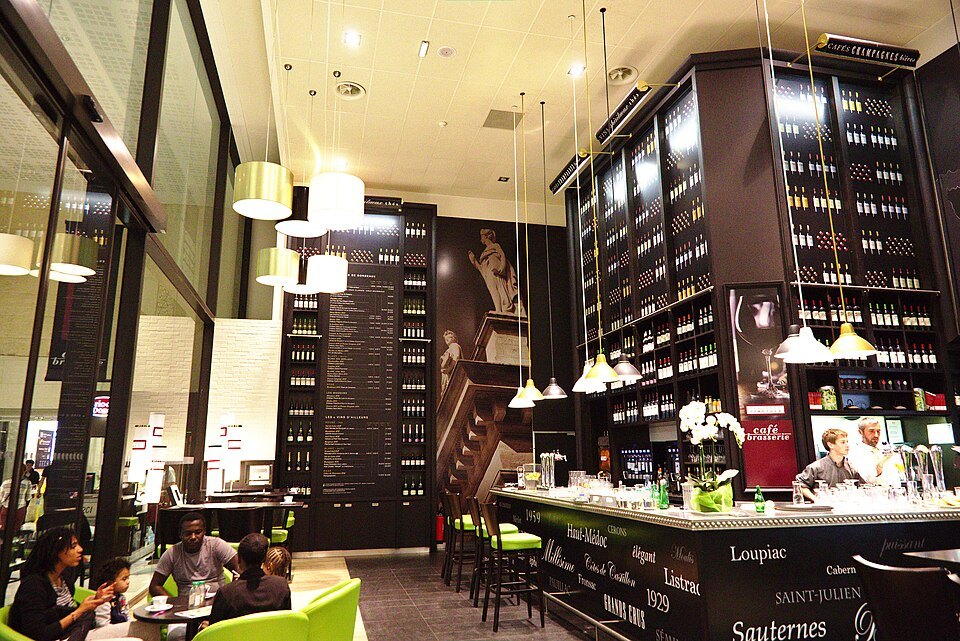
- Bacalan, by the Bassins à FlotThe Cité du VinThe world's wine cultures in eighteen spaces, a belvedere over the river and a library of 14,000 bottles
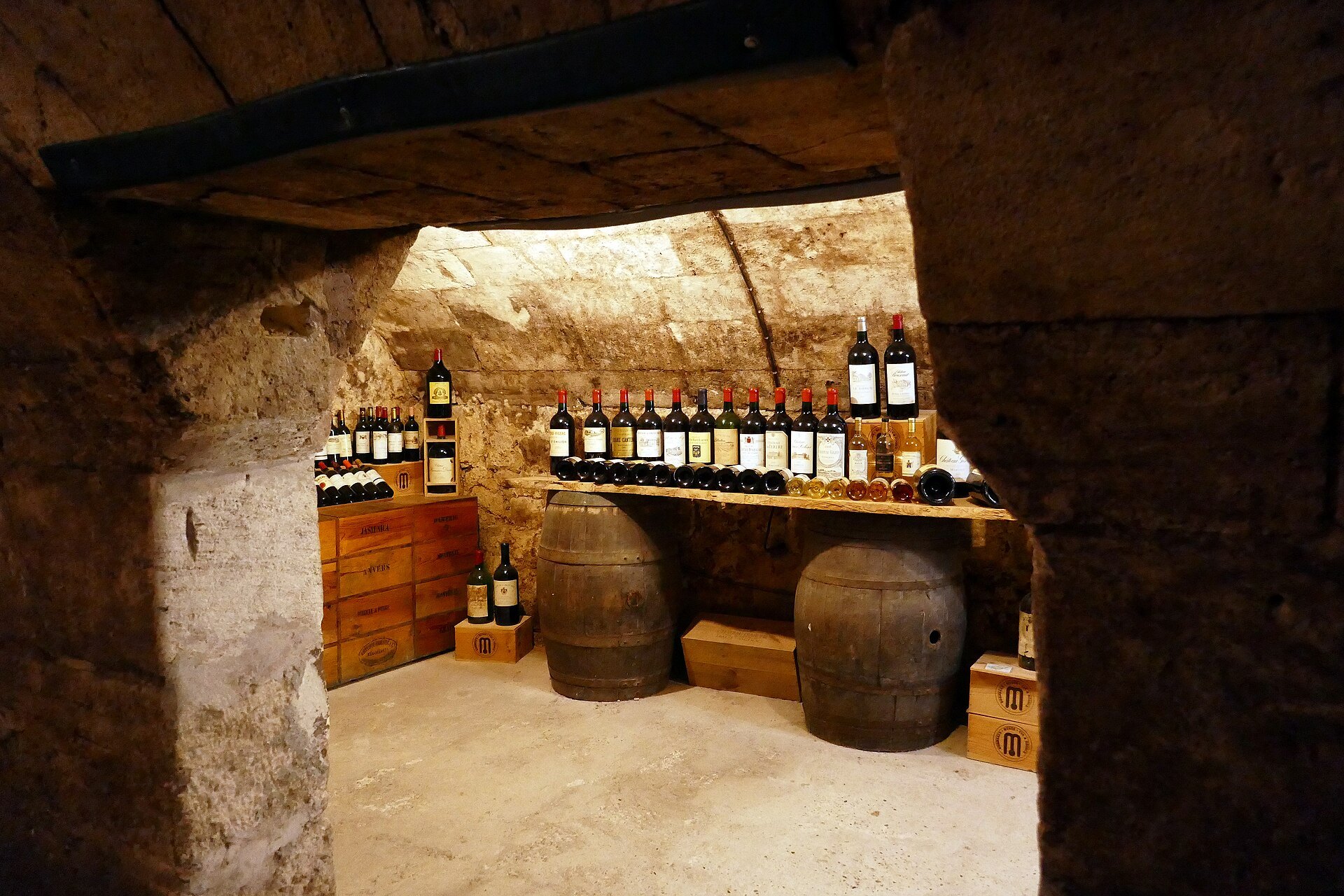
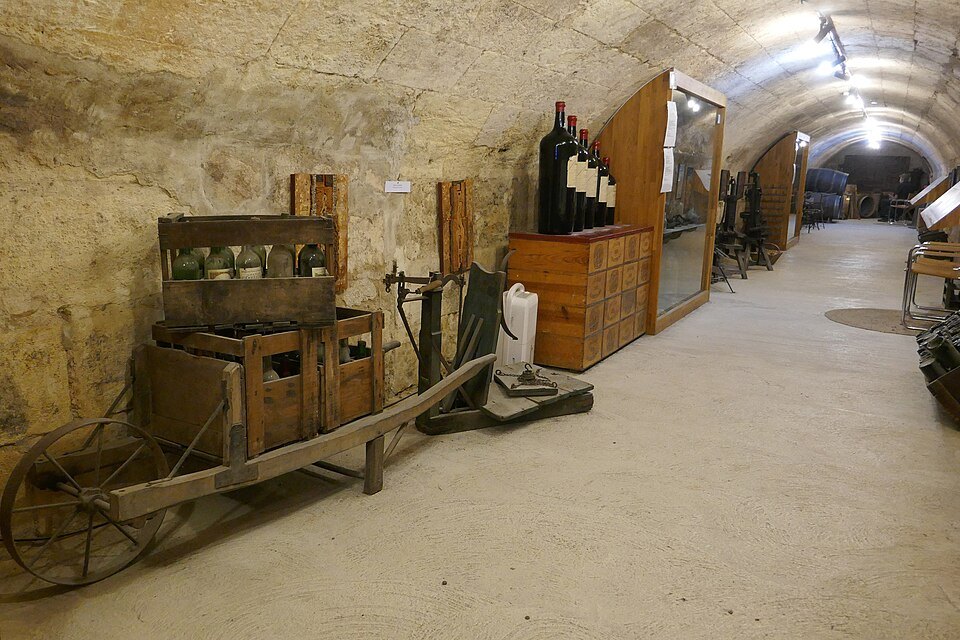
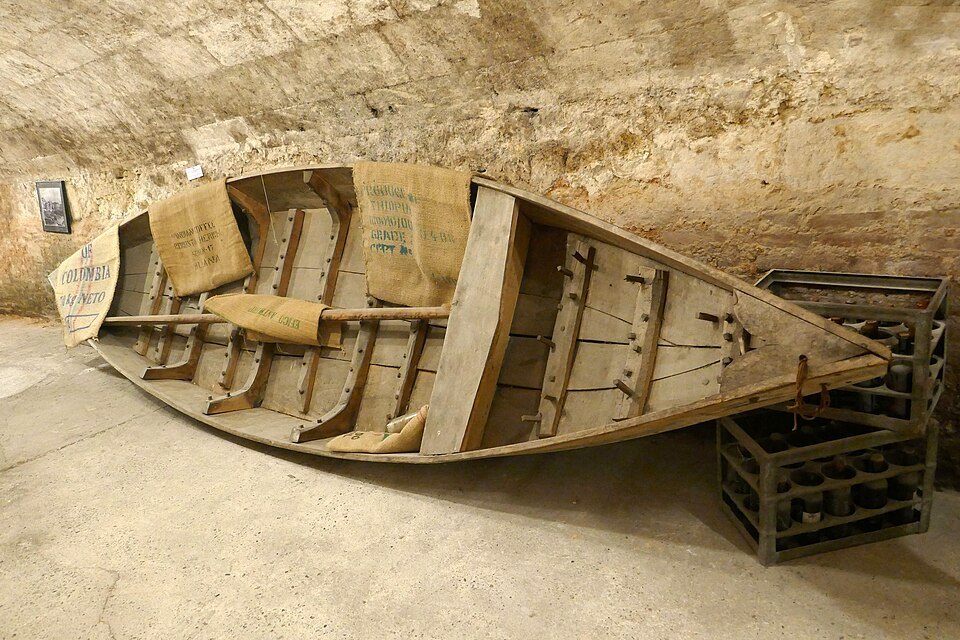
- The Chartrons, rue BorieThe Musée du Vin et du NégoceThe Bordeaux trade itself, in the vaulted cellars of an Irish merchant's house of 1720
- North of the QuinconcesThe Chartrons quayThe merchants' quarter that shipped Bordeaux to northern Europe from the seventeenth century
- The quays, in late JuneBordeaux Fête le VinFour days of tasting pavilions, tall ships and regional food along the river
- Beside the Cité du VinThe river pontoonWhere boat trips into the wine country leave, organized by the tourist office
The Wine City
A trading city, not a vineyard
The Gironde is one of the largest wine-growing areas in France, more than a hundred thousand hectares of vines around the estuary and its two rivers, made into wine by thousands of estates, the famous châteaux among them, under dozens of appellations. Most of it is red, the wine the British call claret, with sweet whites from Sauternes, dry whites, and small amounts of rosé and sparkling Crémant de Bordeaux.
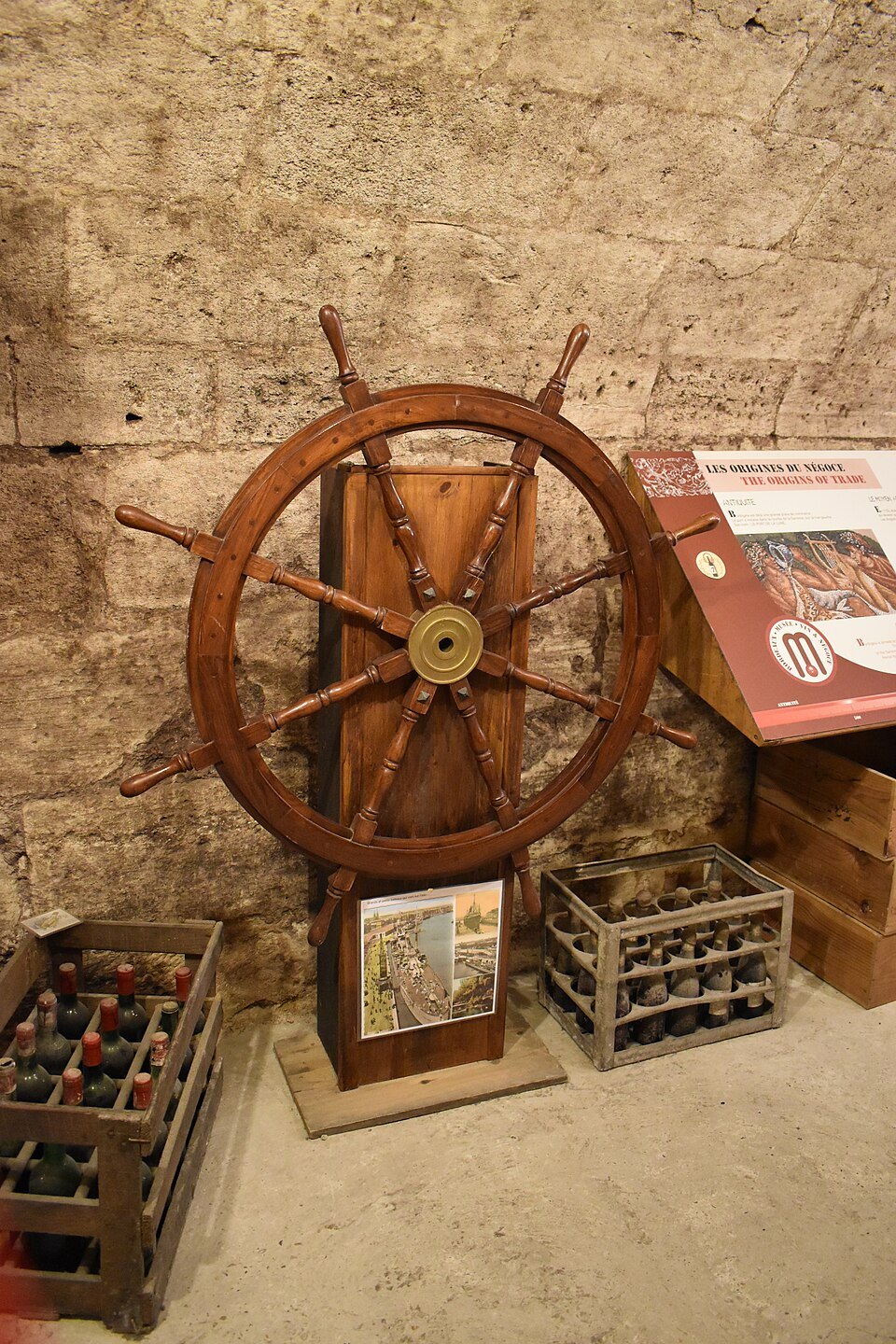
Very little of that grows inside the city. What Bordeaux did was sell it. The Romans brought the vine to the region, probably in the middle of the first century, and after Eleanor of Aquitaine married Henry Plantagenet in 1152 and he became king of England, the city built an export trade to England that lasted three centuries. Later the merchants of the Chartrons shipped it across northern Europe. The wealth of the eighteenth-century city, and much of its stone, came from that trade, alongside the colonial commerce the Musée d'Aquitaine documents.
The English word claret comes from clairet, the light red wine of the Graves, which was the region's leading district in the Middle Ages. After France took the province back in 1453, Scottish merchants kept a privileged place in the trade under the Auld Alliance. In the seventeenth century Dutch traders drained the marshes of the Médoc so that vines could be planted there, and the Médoc slowly overtook the Graves as the most prestigious district; its main grape was Malbec until Cabernet Sauvignon replaced it in the early nineteenth century.
The lay of the land
The region's geography is set by its rivers. Just north of the city, the Dordogne joins the Garonne to form the broad Gironde estuary, and the vineyards fall into three parts. The left bank, west and south of the Garonne and around Bordeaux itself, includes the Graves, upstream of the city, and the Médoc, the peninsula downstream between the estuary and the Atlantic. The right bank, north of the Dordogne around Libourne, includes Saint-Émilion and Pomerol. Between the two rivers lies the Entre-Deux-Mers, between two seas, both of them tidal.
As a very broad rule, the left-bank reds are built mostly on Cabernet Sauvignon and the right-bank reds on Merlot, each blended with other grapes; white Bordeaux is mostly Sémillon with some Sauvignon Blanc. The best estates, the old saying goes, can see the river from their vines, on well-drained gravel soils near the water. To combat the effects of a warming climate, the growers approved several new grape varieties in 2019 for wines sold under the basic Bordeaux and Bordeaux Supérieur names.
In 1855 the leading châteaux were ranked in a classification that is still widely used. Of its five first growths, four are in the Médoc and one, Château Haut-Brion, in the Graves. The vineyards were almost all ruined by phylloxera between 1875 and 1892 and were saved by grafting vines onto American rootstock.
Understanding it in town
Start at the Cité du Vin, which takes a deliberately global view of wine as a culture, from ancient Georgia to modern design, and ends with a glass on the belvedere above the river. Then go to the source of the city's own trade: the Musée du Vin et du Négoce in the Chartrons, set in the half-buried vaulted cellars of a merchant's house of 1720, explains how Bordeaux wine was bought, aged, blended and shipped, and who made money from it.
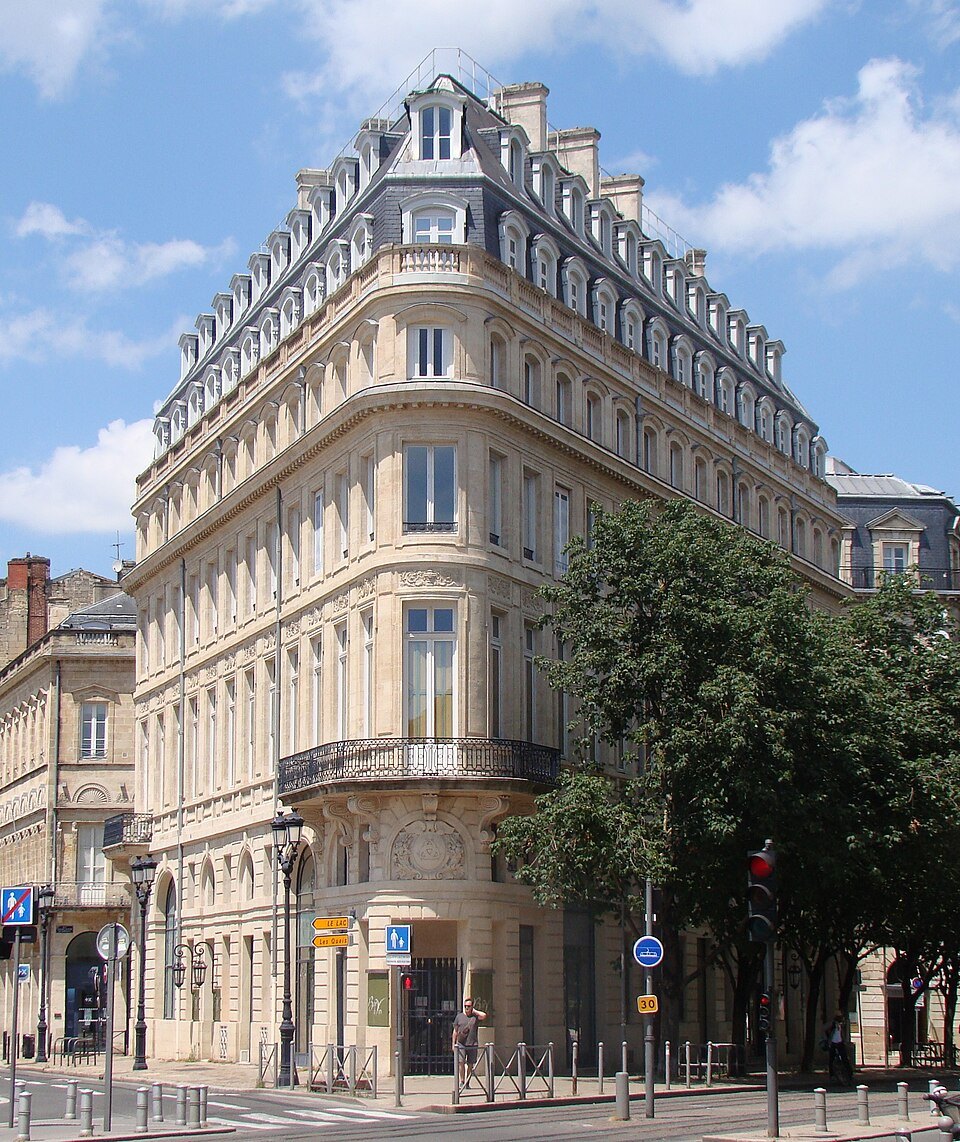
Between the two, walk the Chartrons quay and the rue Notre-Dame, where the merchant families lived and worked. Their names survive on estates across the Médoc, and the first glassworks in Bordeaux, founded here in 1723 by an Irishman, grew into the largest bottle factory in France.
Tasting and festivals
Wine bars and wine shops are everywhere in the old town and the Chartrons, and the ground floor of the Cité du Vin has a wine library of some 14,000 bottles from about seventy regions that anyone can browse without a ticket. The eating and drinking page covers the food that goes with it.
In late June the city holds Bordeaux Fête le Vin, four days along the quays organized by the tourist office since 1998, with pavilions for tasting wines from Bordeaux and Nouvelle-Aquitaine, regional food such as Arcachon oysters and Périgord duck, concerts, and historic tall ships moored along the river; the 2018 edition drew more than four hundred thousand people. See when to come.
Into the vineyards
The famous names are outside the city, and reaching them takes planning. Saint-Émilion is the easiest by public transport, by regional train toward Libourne; the Médoc's estates are spread along the estuary and are best reached by car or on an organized tour; boat trips into the wine country also leave from the pontoon beside the Cité du Vin. Many estates ask visitors to book a visit in advance, so plan ahead; see booking ahead and the day trips page.
If you drive, remember that tasting and driving do not mix. An organized tour or the train removes the problem, and it leaves you free to enjoy the glass at the end of the visit.
Honest notes
The region's figures vary with the source and the year: the vineyard area, the number of estates and the number of appellations have all been shrinking as growers pulled up vines during a long wine glut, even as prices for the most famous labels soared. Bordeaux is also far more than its great châteaux; most of what the region makes is everyday wine, and it is what you will be poured in most of the city's bistros.
More photographs
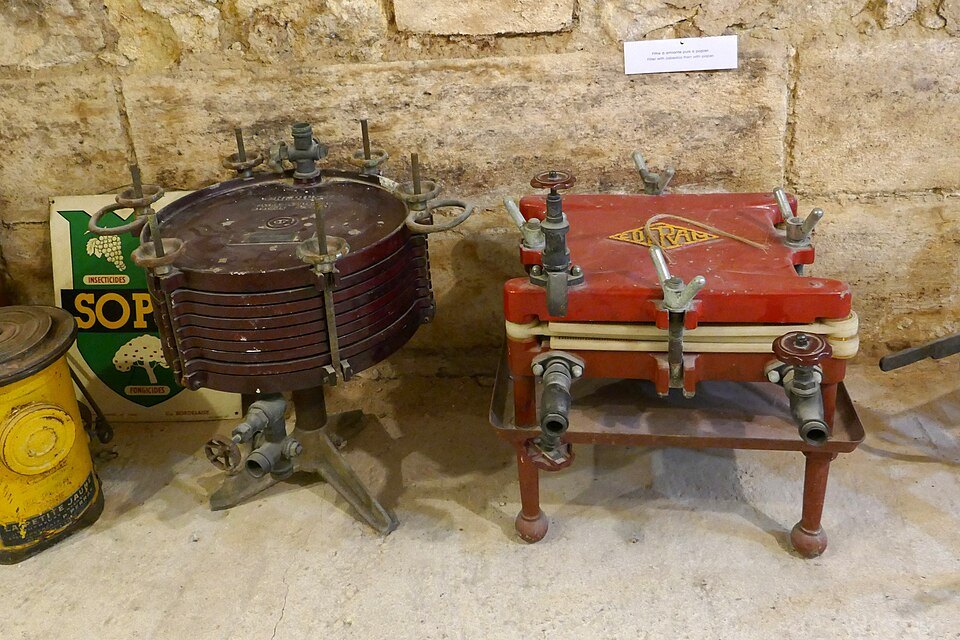
Old filters used in the wine trade, in the museum's cellarsJi-Elle, Wikimedia Commons, CC BY-SA 4.0 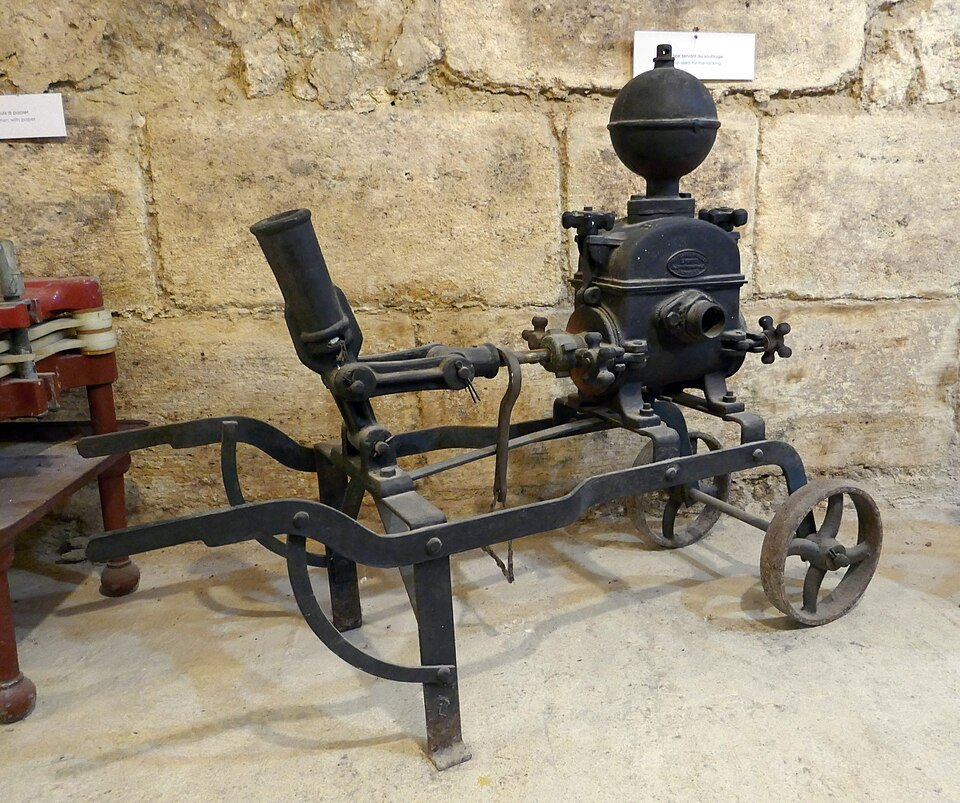
A hand pump once used to rack wine between barrelsJi-Elle, Wikimedia Commons, CC BY-SA 4.0 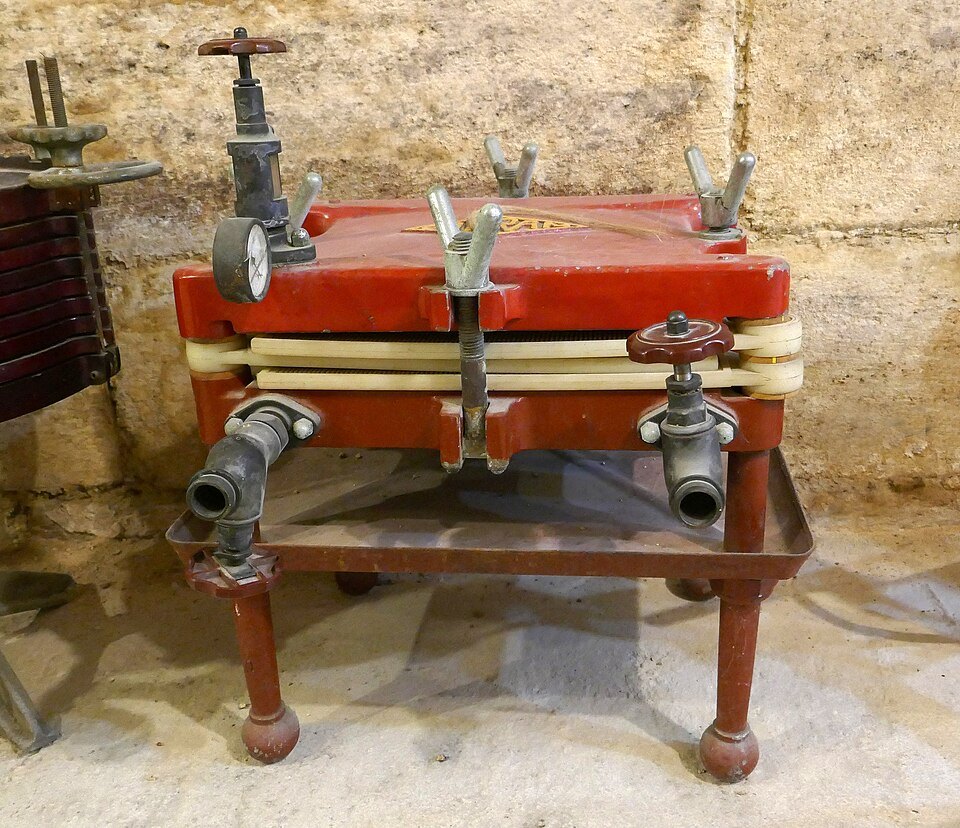
A red paper filter press from the wine tradeJi-Elle, Wikimedia Commons, CC BY-SA 4.0