Home · The Sights
The sights, in four parts of the city
The crescent of quays
The Place de la Bourse and its Miroir d'Eau, the Esplanade des Quinconces and the Monument aux Girondins, and the Pont de Pierre over the Garonne.The medieval city
The Porte Cailhau and the Place du Parlement, the Grosse Cloche, the Basilica of Saint-Michel and its spire, Saint-André Cathedral and the Pey-Berland Tower, the Palais Rohan and the Musée d'Aquitaine.The eighteenth-century city
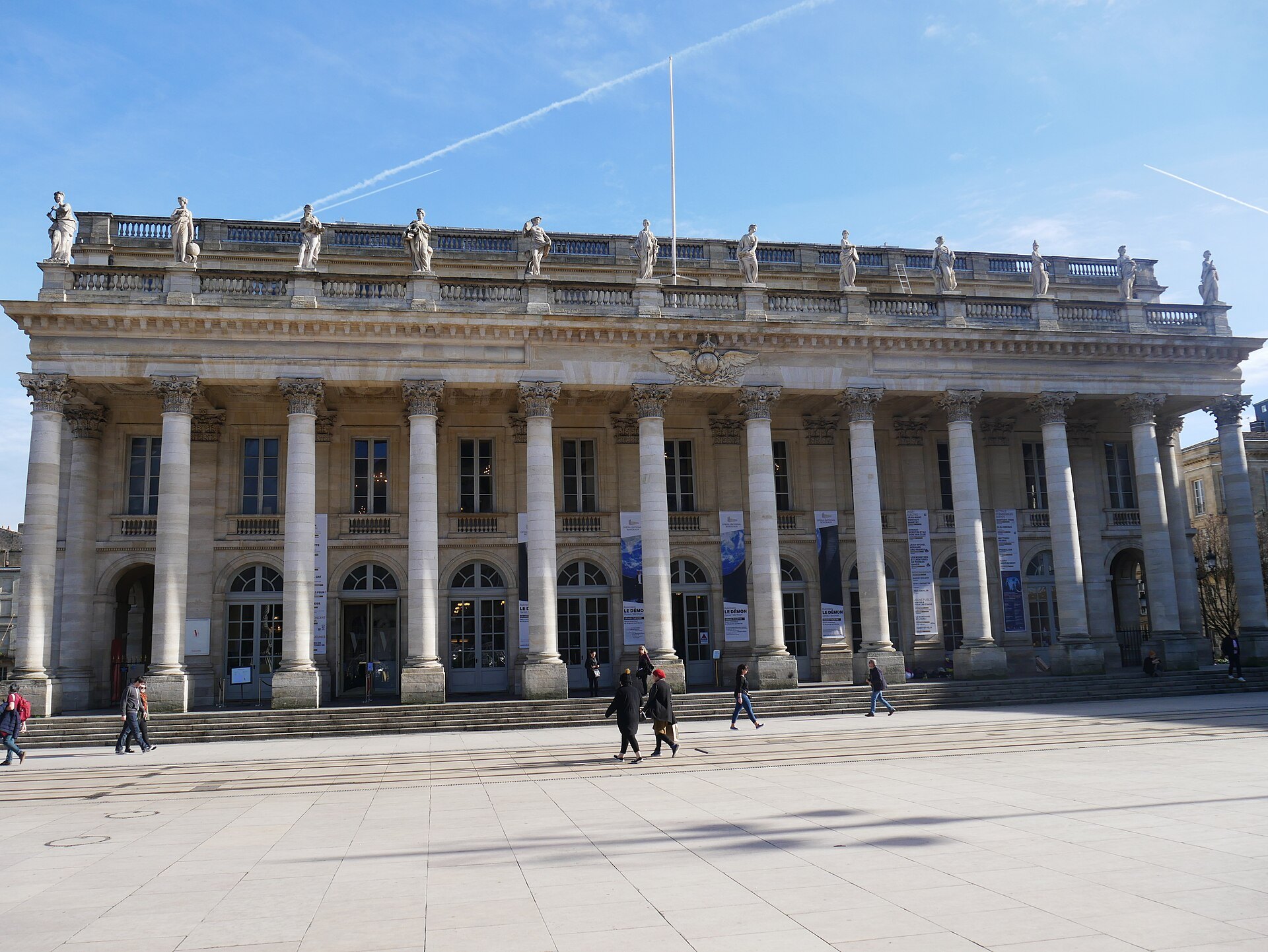
Victor Louis's Grand Théâtre, the Jardin Public and the ruins of the Roman amphitheater, the Palais Gallien.Downstream
The Chartrons, La Cité du Vin, the Bassins à Flot and the submarine base, and the lift bridge of Jacques Chaban-Delmas.
The Sights of Bordeaux
How to read the city
Bordeaux grew along a crescent bend of the Garonne, and that curve still organizes everything a visitor sees. Its harbor has been called the Port of the Moon since the Middle Ages, and in 2007 UNESCO inscribed the historic city on the World Heritage List under that name, as an outstanding urban and architectural ensemble of the eighteenth century. The eighteen sights on this site fall into four groups, each within an easy walk of the next.
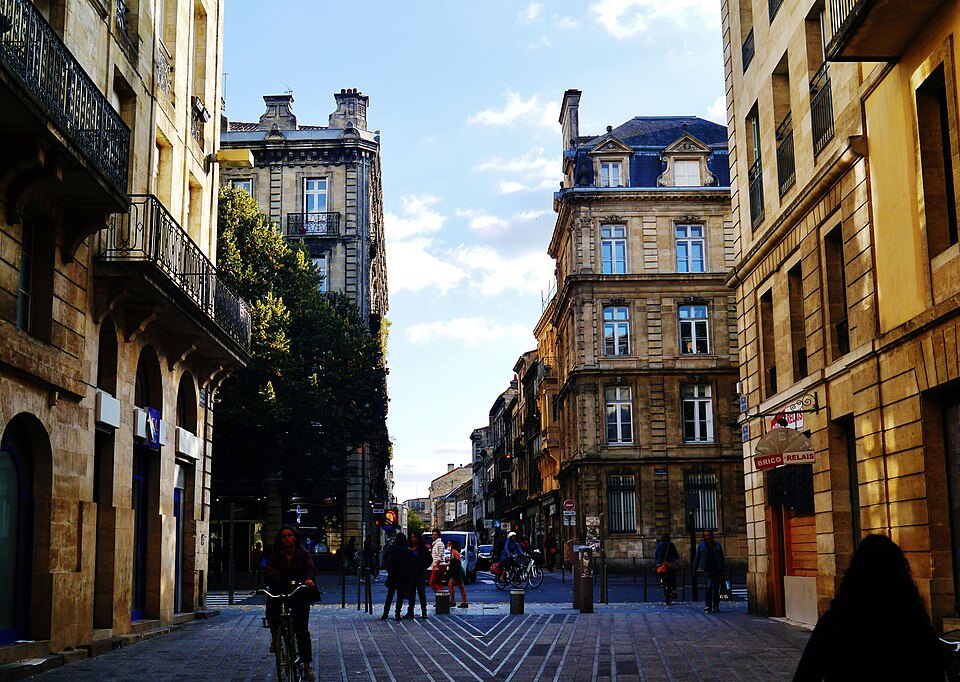
The groups follow the city's growth. The Romans built Burdigala on the left bank; the medieval city grew inside its walls behind the river landing; the eighteenth century tore down stretches of those walls to open the city to the river and laid out new squares and streets beyond them; and the port spread downstream, to the Chartrons from the seventeenth century and to the wet docks from the nineteenth. Walking from the quays to the old town, and on to the Grand Théâtre and the Chartrons, is a walk through that history.
Each sight has its own page, with its history, what to look for, the best way to see it and what lies nearby. For plans that string them together by the day, see the itineraries; for the ground between them, see the neighborhoods.
The crescent of quays
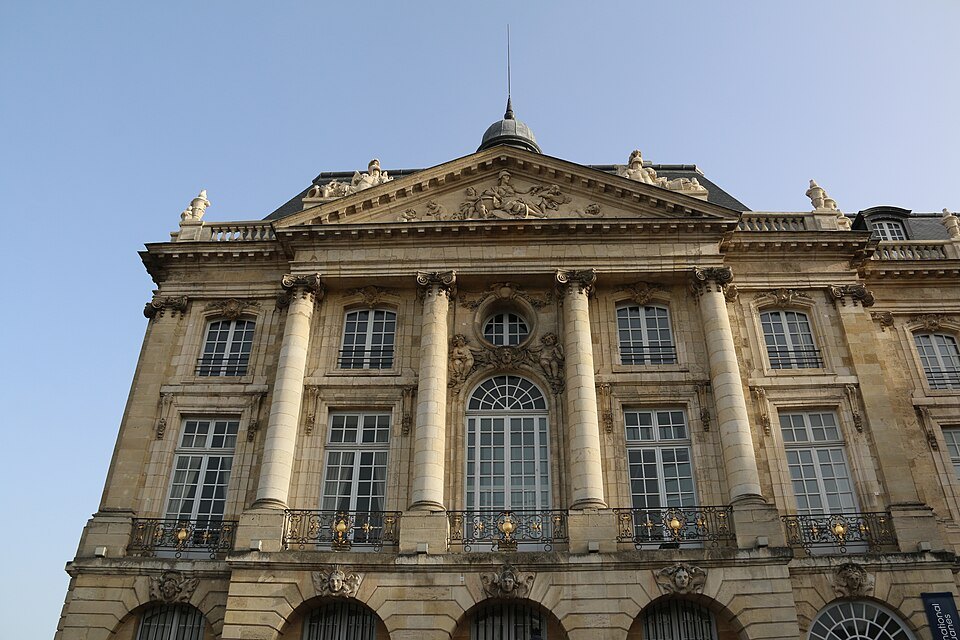
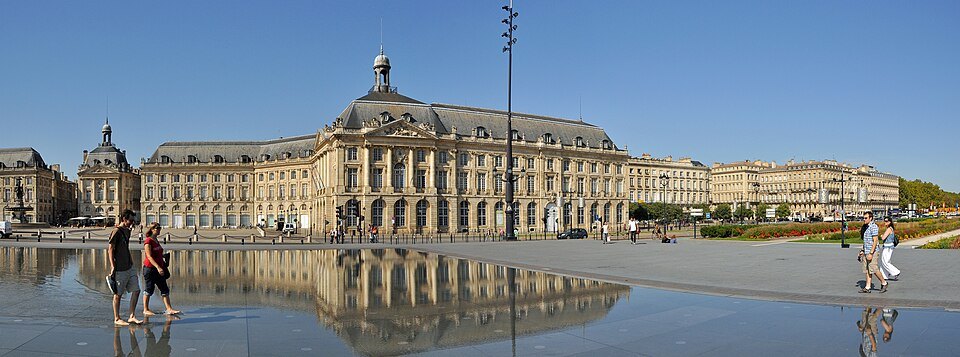
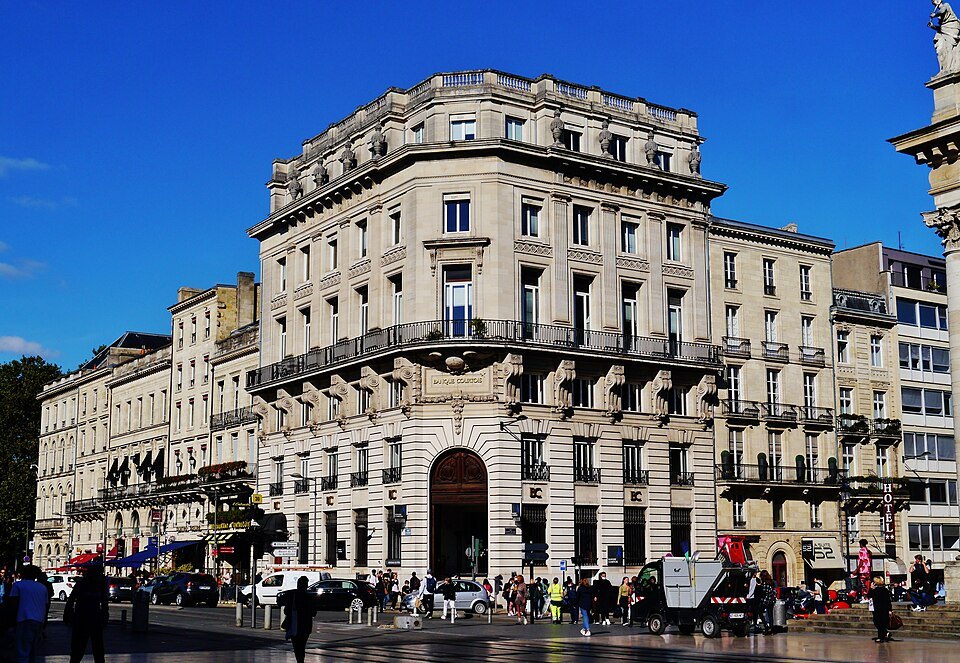
The river front is the face the city built for itself in the eighteenth century. The Place de la Bourse, laid out between 1730 and 1755 where a stretch of the medieval wall came down, was the first square in France built open to a river. In front of it lies the Miroir d’Eau, a granite slab that floods to a depth of about two centimeters, drains and breathes out a mist, doubling the square in its surface since 2006.
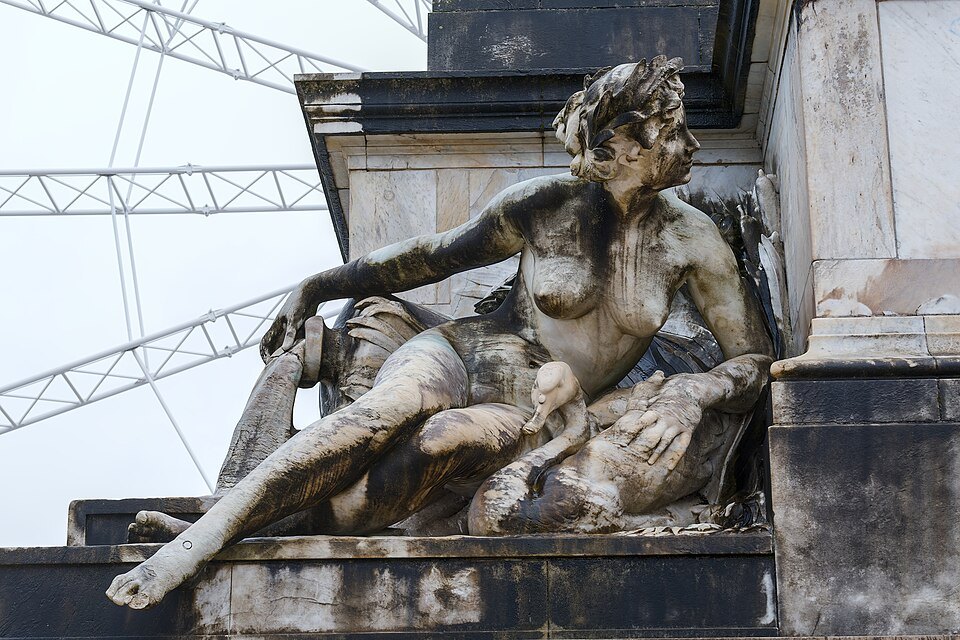
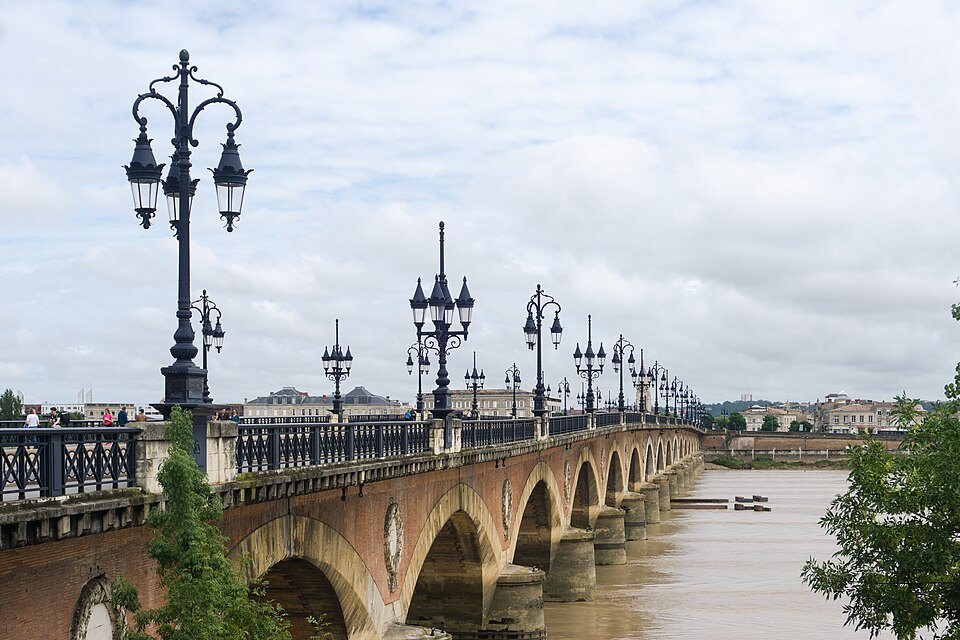
To the north, the Esplanade des Quinconces covers twelve hectares where the Château Trompette fortress once stood, with the column raised to the Girondin deputies of the Revolution. To the south, the Pont de Pierre, opened in 1822 on seventeen arches, was the first bridge ever to cross the Garonne at Bordeaux. See the quays for the whole promenade.
The medieval city
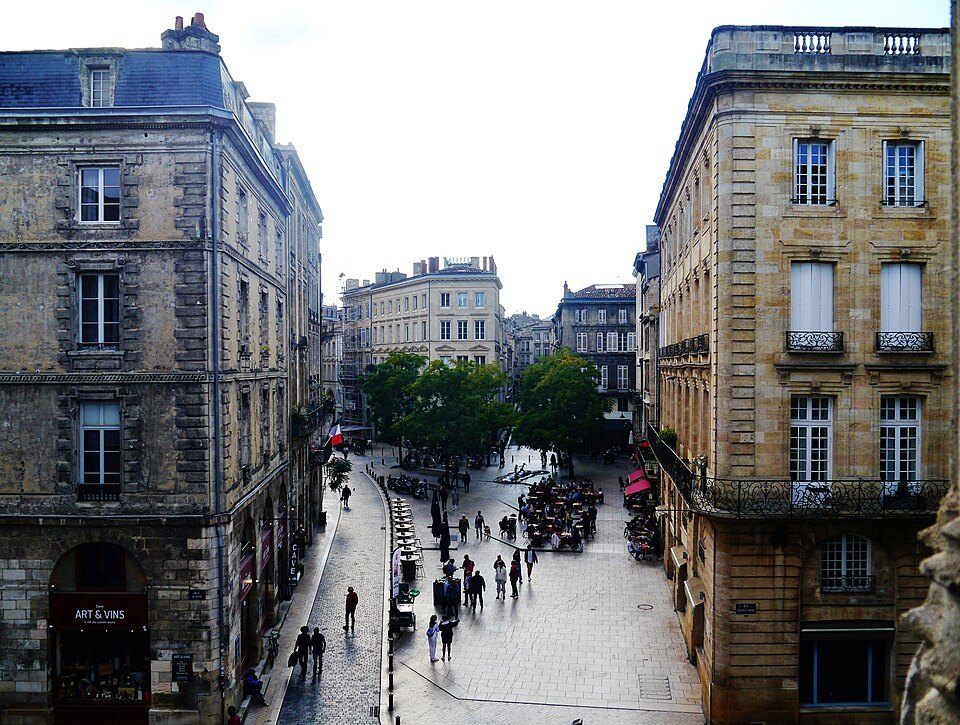
Behind the quays, the old town keeps its gates and towers. The Porte Cailhau, a fortified gate of the 1490s, stands above the old river landing, with the Place du Parlement a few steps inland. The Grosse Cloche, a gate of the medieval walls that pilgrims to Compostela passed under, later served as the belfry of the old town hall and still carries its great bell of 1775.
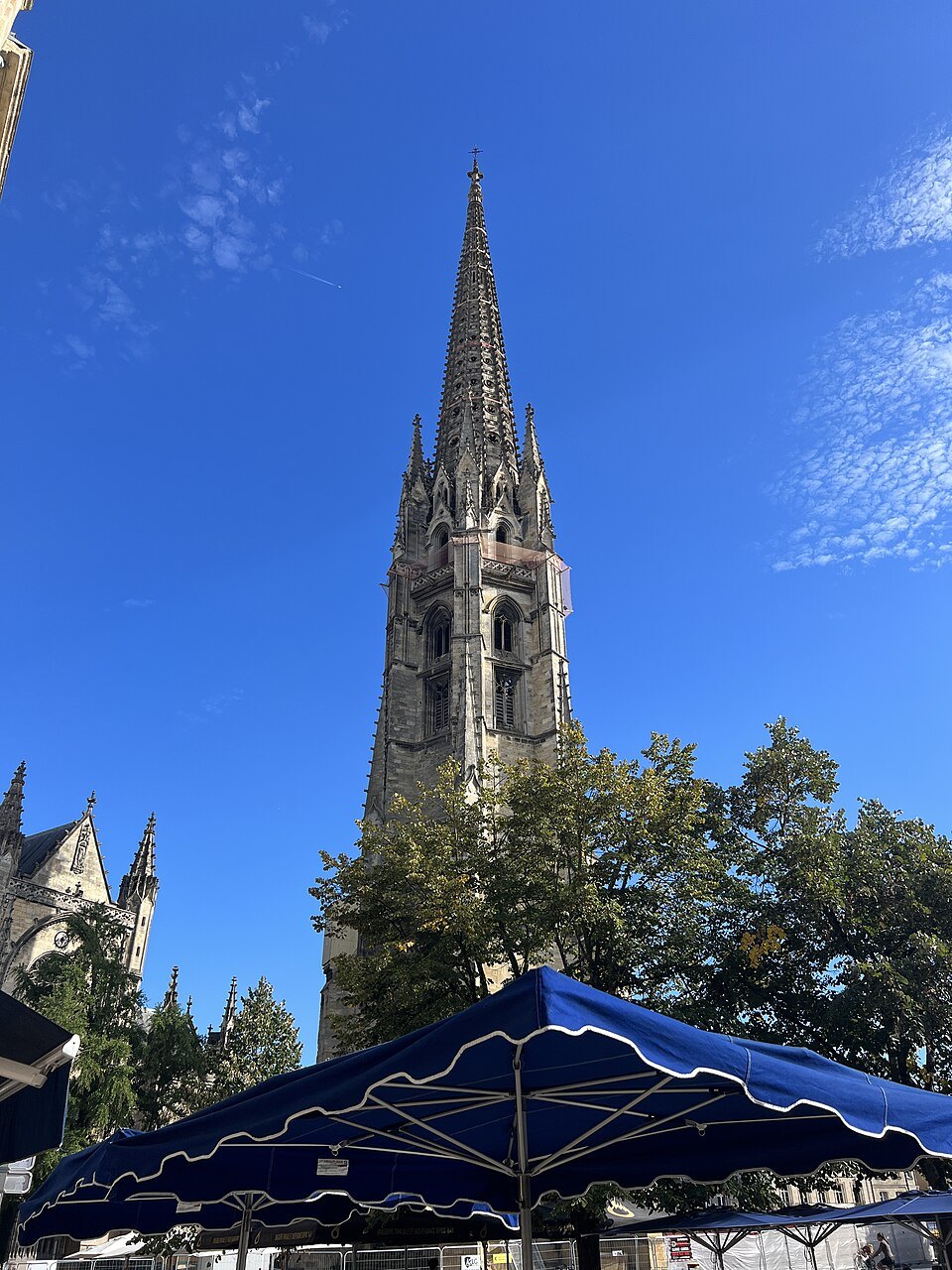
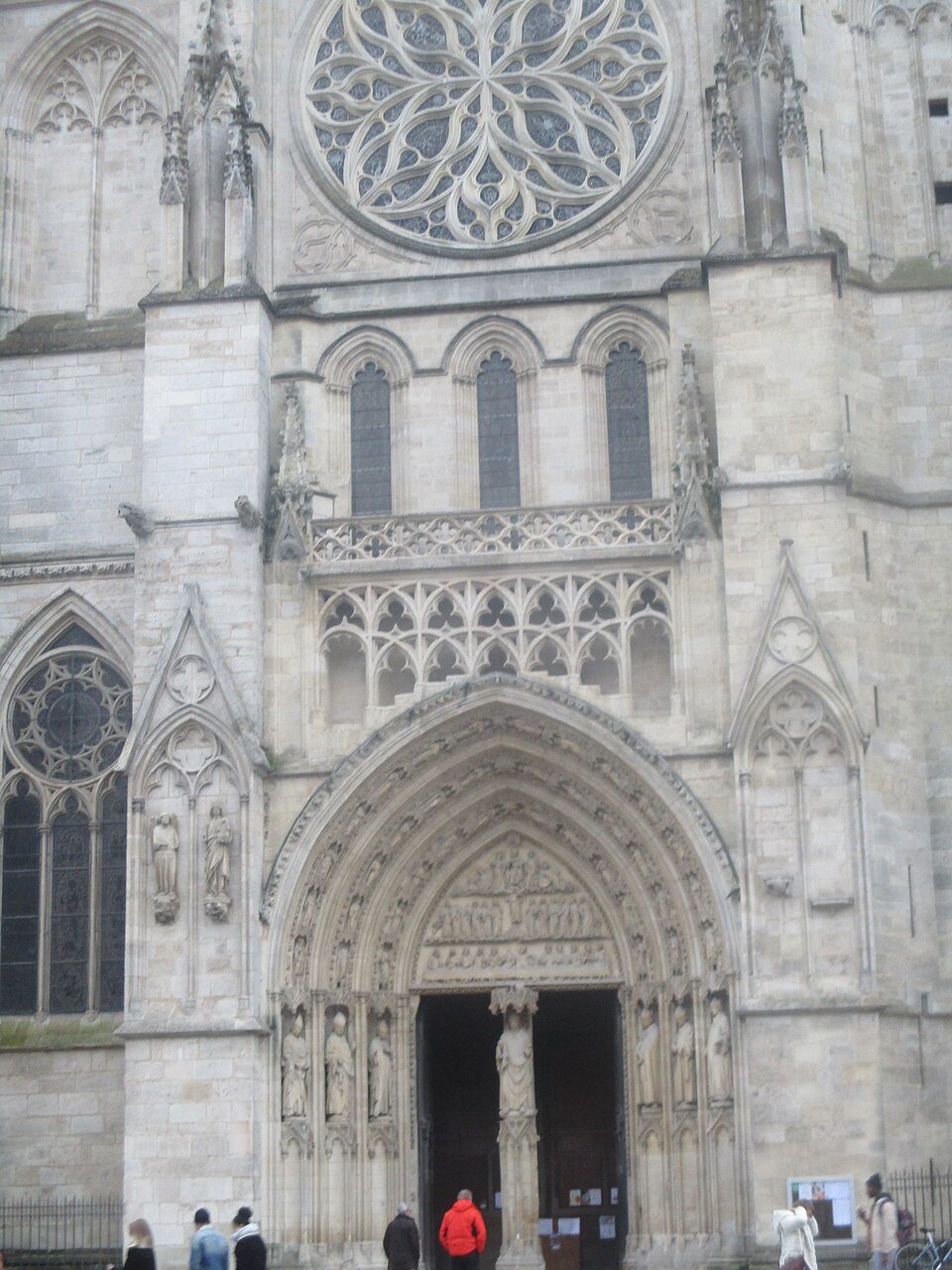
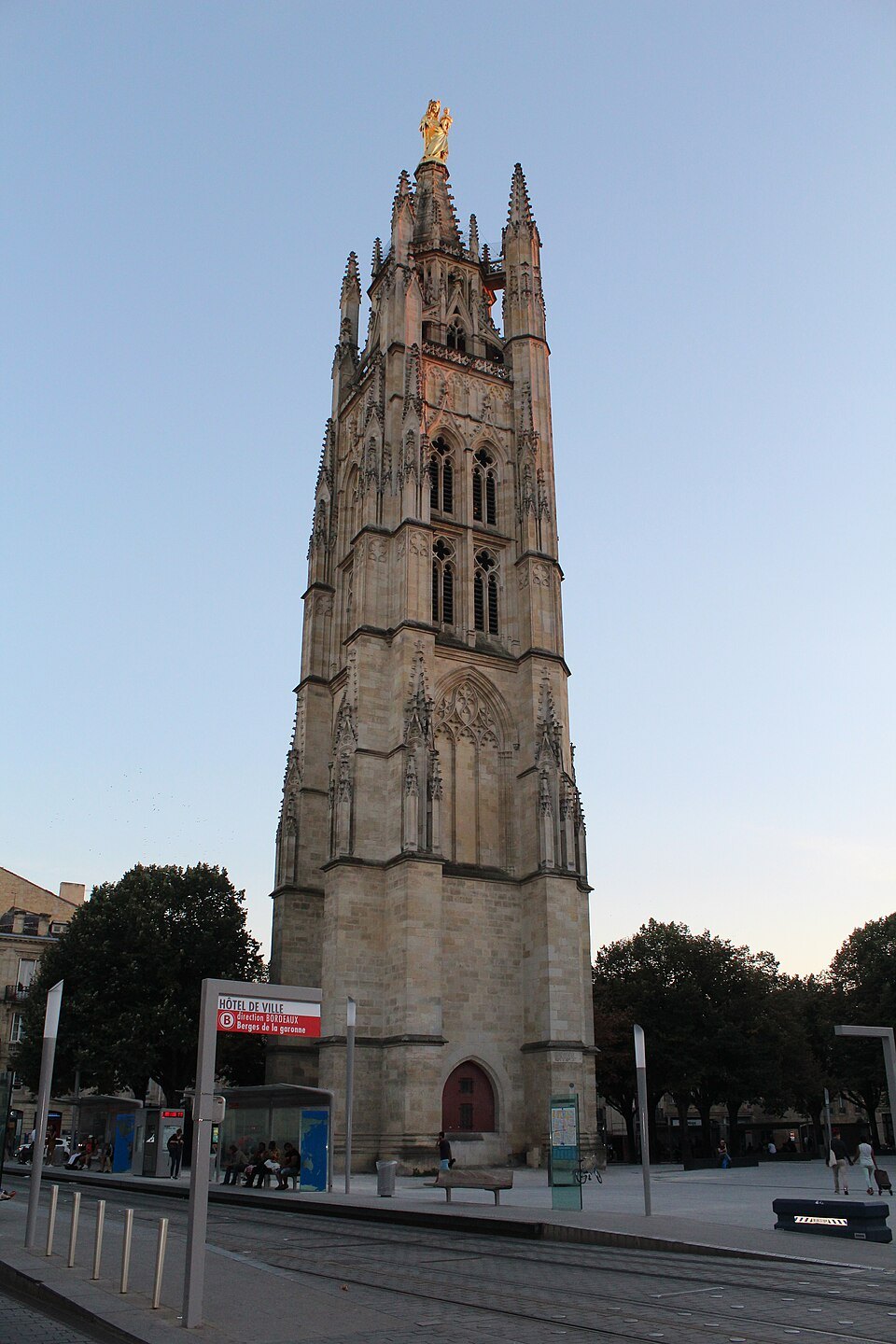
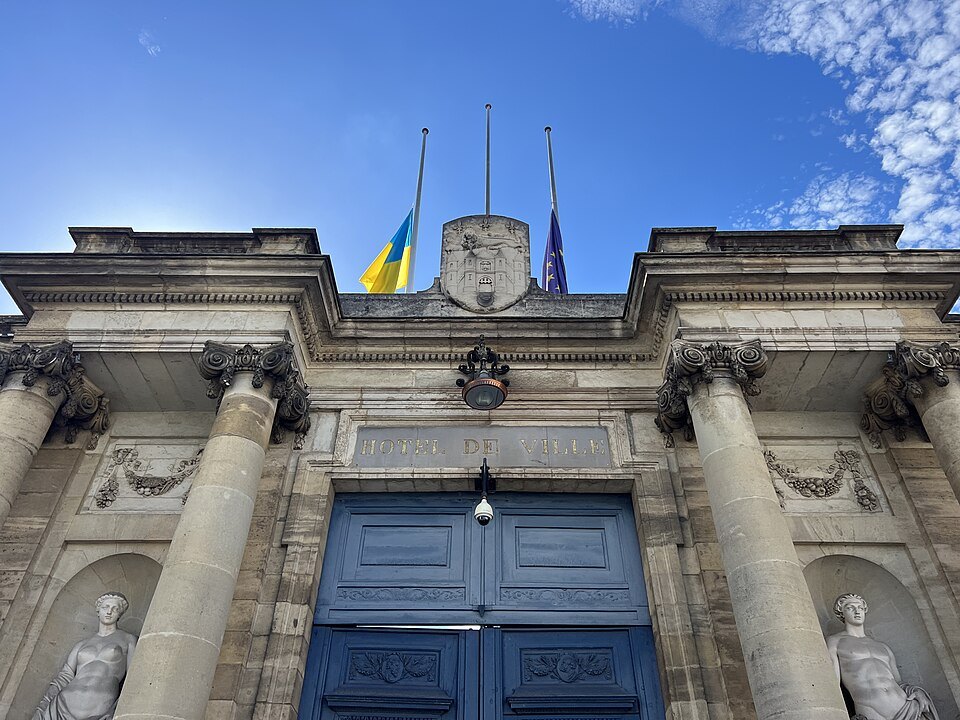
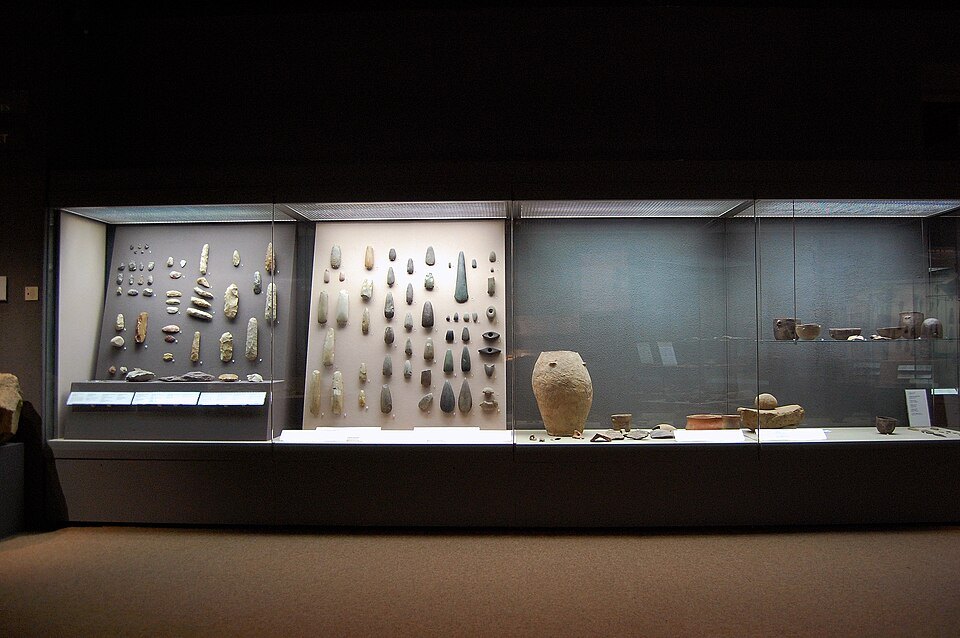
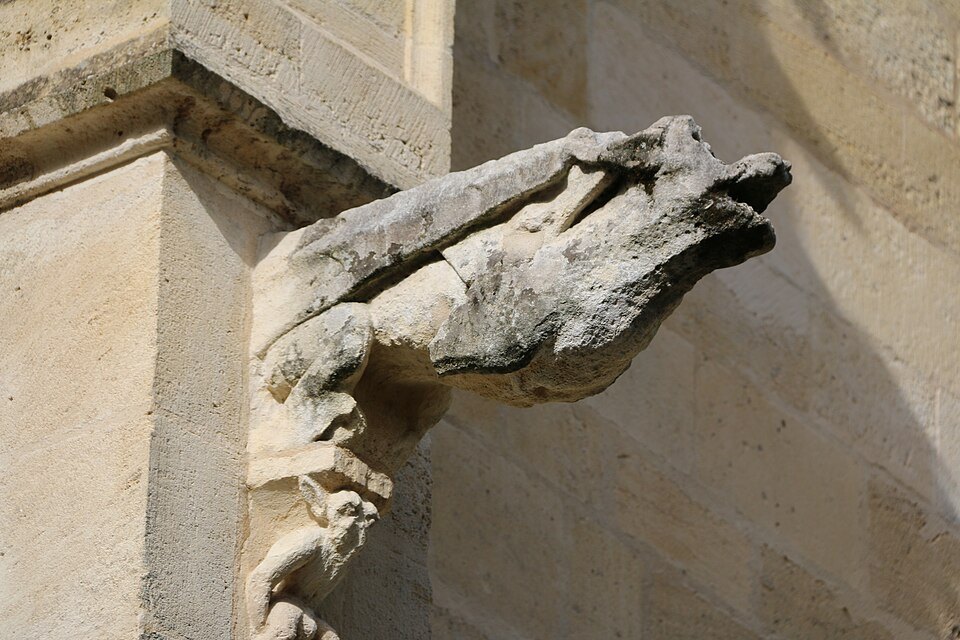
The Basilica of Saint-Michel, the church of the merchants and craftsmen, has a free-standing bell tower whose spire rises 114 meters over its quarter. Saint-André Cathedral, consecrated in 1096 and rebuilt in Gothic, also keeps its bell tower apart: the Pey-Berland Tower, begun in 1440, with 233 steps to its terrace. Beside the cathedral stands the Palais Rohan, an archbishop's palace that has been the town hall since 1835, with the fine arts museum behind its garden, and a short walk south is the Musée d’Aquitaine, whose collections run from prehistory to the port of the twentieth century.
The eighteenth-century city
North-west of the old town, the governors and merchants of the eighteenth century laid out broad streets and squares. The Grand Théâtre, Victor Louis's opera house, opened in April 1780 behind a colonnade of twelve Corinthian columns carrying statues of the Muses and goddesses; its staircase was studied by Charles Garnier before he built the Paris Opéra.
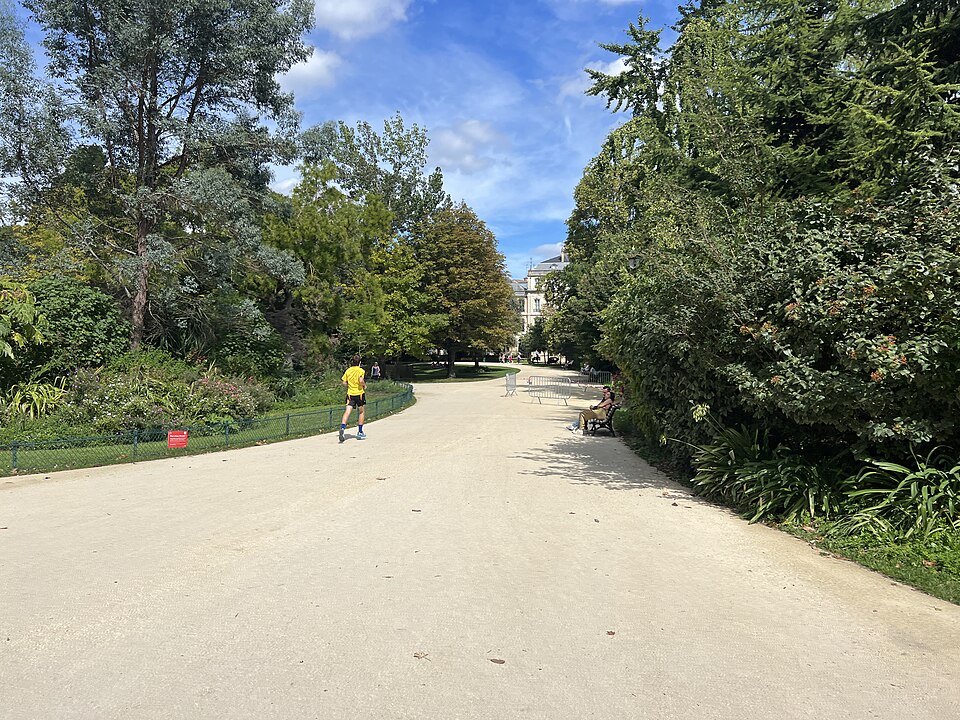
The Jardin Public, the city's garden since 1756, was remade in 1856 as an English park with a lake and rare trees. A few streets away, the Palais Gallien is all that remains of the amphitheater of Roman Burdigala, the only Roman monument still standing in the city.
Downstream
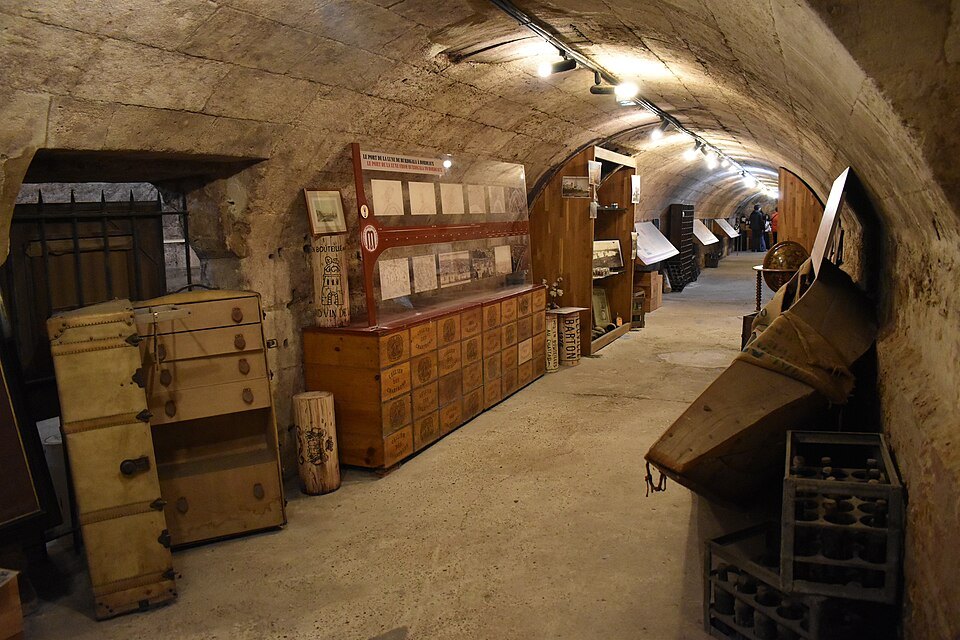
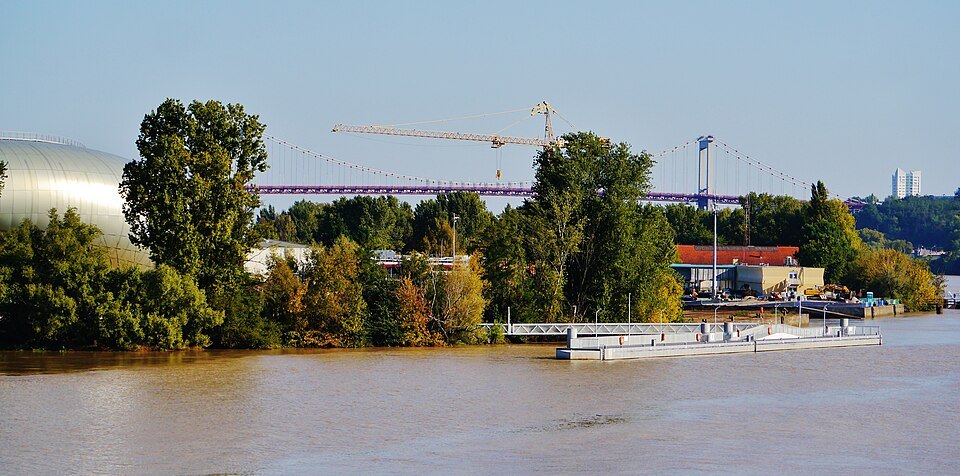
North of the Quinconces, the river front runs into the Chartrons, the suburb where English, Irish and Flemish merchants built the wine trade from the seventeenth century, now a quarter of antique shops and a market hall, with a wine museum in a merchant's old cellars and the contemporary art museum in a colonial warehouse, the Entrepôt Lainé. Beyond it lie the Bassins à Flot, two locked basins of 1879 and 1912 that kept ships clear of the tides, beside the concrete submarine base built by the occupying army during the Second World War.
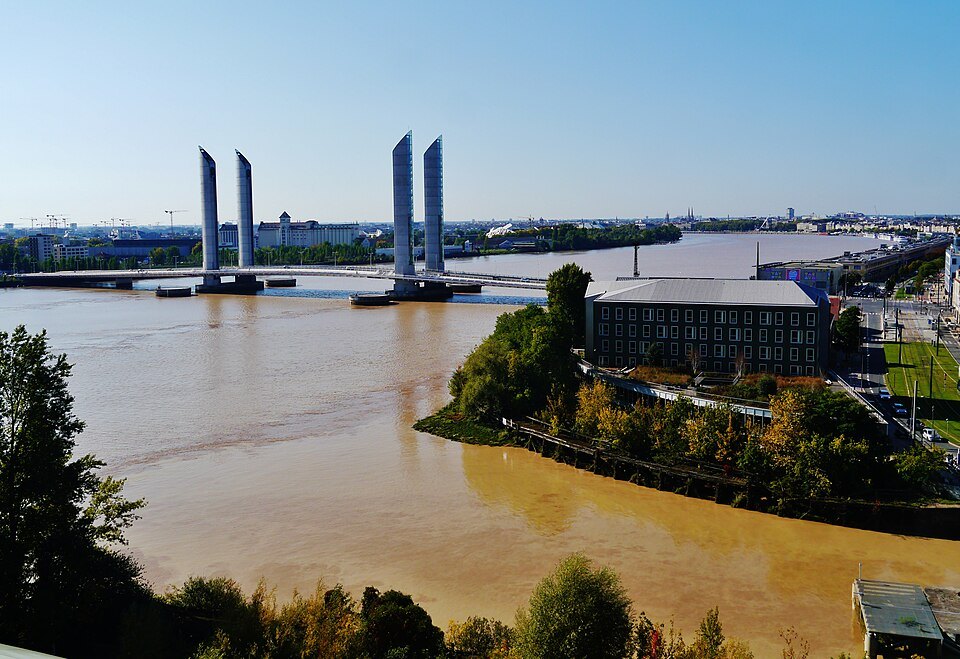
On the river at the basins stands La Cité du Vin, opened in 2016, a curving tower with an exhibition on the wine cultures of the world and a belvedere over the Port of the Moon. Close by, the Pont Jacques Chaban-Delmas, opened in 2013, lifts its central span on four towers to let tall ships into the harbor. See the wine city for the trade that built this part of town.
Seeing them well
The sights are close together, and the best way to see them is on foot, with the tram for the run downstream to the docks. Most of the eighteen are outdoors and free to walk past at any hour: the squares, the quays, the gates and the bridges. The towers, the museums and the Cité du Vin have their own tickets and opening days, which change with the season; check them before you go, and book ahead for the busiest.
Some of the best views are from above and across: from the top of the Pey-Berland Tower over the old town, from the Saint-Michel spire, from the Cité du Vin's belvedere over the river, and from the right bank across to the whole stone front. For the practical side, see getting around and booking ahead.