Why were two royal weddings held in Bordeaux Cathedral?
How Saint-André Cathedral hosted two royal marriages that shaped Bordeaux's history, from Eleanor of Aquitaine to Louis XIII.
Read on
A cathedral built for crowns
Saint-André is the largest church in Bordeaux and the seat of its archbishop, and twice in its history it has stood at the center of events far larger than the city itself. Two royal marriages took place under its vaults, nearly five centuries apart, and both left a mark on how Bordeaux is understood today: once pulled into the orbit of the English crown, once tied to the French monarchy at its height.
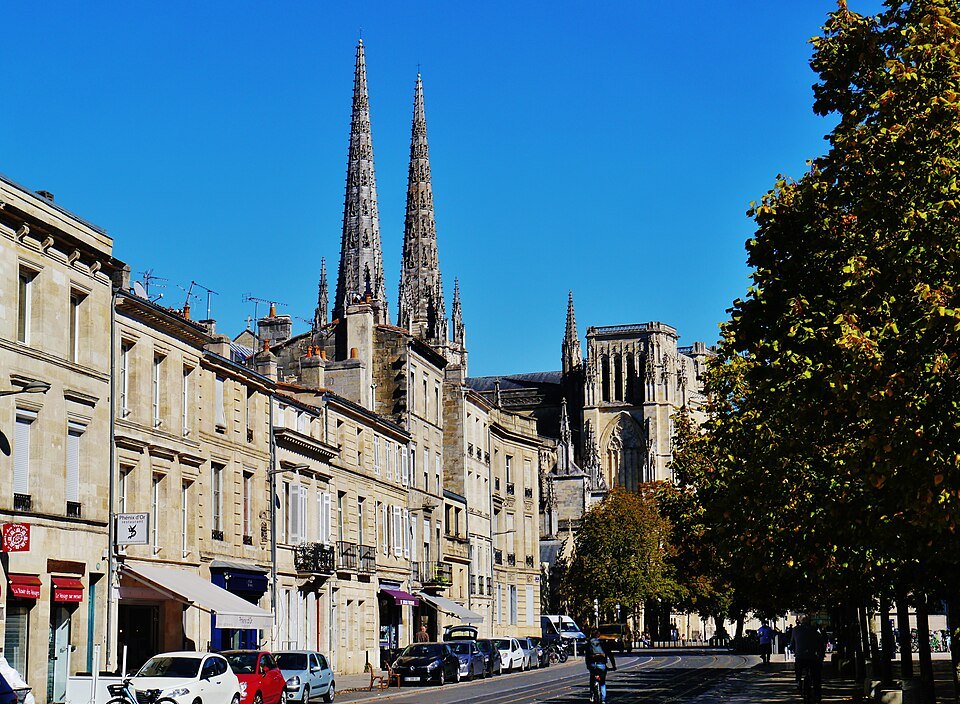
Neither wedding was simply a local affair. Each brought a king, or a future king, to Bordeaux, and each had consequences that outlasted the couple involved. The building visitors walk through today, much rebuilt since, is the same consecrated ground where both ceremonies happened.
Eleanor of Aquitaine, 1137
On 25 July 1137, Eleanor of Aquitaine married the future Louis VII of France in Saint-André. A week later his father died, and the teenage duchess of Aquitaine became queen of France. The marriage did not last: it was annulled in 1152, and within weeks Eleanor married again, this time to the future Henry II of England.
That second marriage is why Bordeaux spent the next three centuries under the English crown, a period that shaped the city's wine trade, its fortifications, and much of its medieval fabric. The cathedral's own rebuilding, discussed below, happened largely during those English centuries. Sources differ on Eleanor's exact age at the time of her first wedding, so no figure is given here; visitors curious about the detail should treat it as genuinely disputed rather than settled.
Louis XIII and Anne of Austria, 1615
Almost five hundred years after Eleanor's wedding, the cathedral hosted another: in 1615, Louis XIII married Anne of Austria here. Their son would become Louis XIV, the Sun King, so the same nave that saw Bordeaux pass to England also saw the union that produced one of France's longest-reigning monarchs.
By 1615 the cathedral had changed enormously from the building Eleanor knew. Its Gothic rebuilding, begun centuries earlier, was largely complete, and the Renaissance decoration on the Gramont buttress outside was already in place. The church that welcomed Louis XIII's wedding party was recognizably the one that stands today, long before the nineteenth-century restorations reshaped its details.
The pope who rebuilt it in between
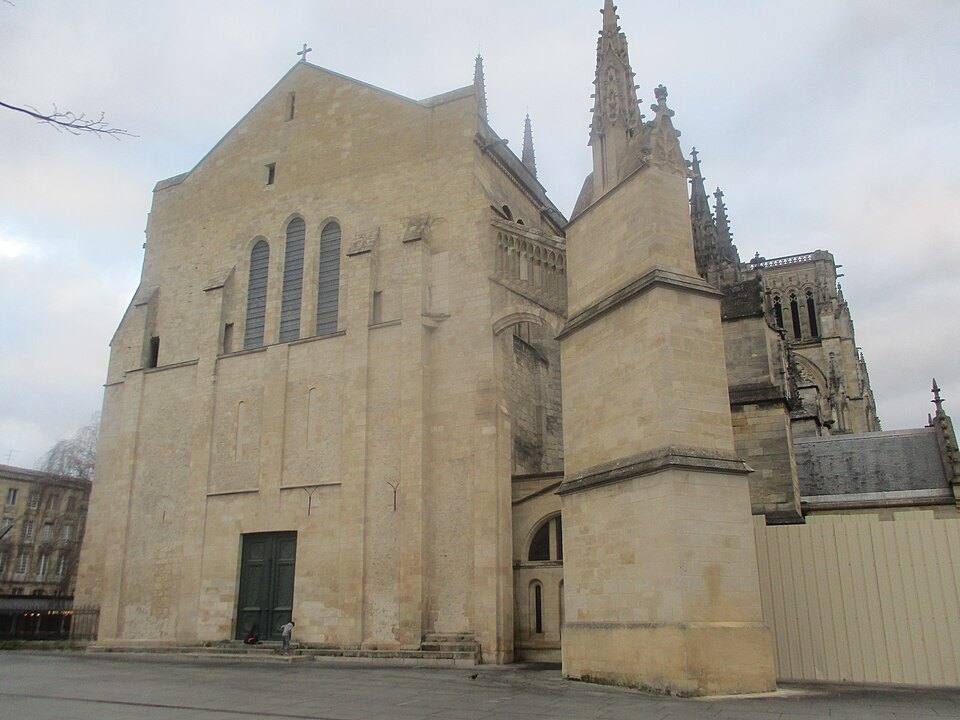
The centuries between the two weddings were not quiet ones for the building itself. A church on this site is recorded from 814, and Pope Urban II consecrated an earlier Romanesque version in 1096, while traveling through France to preach the First Crusade. From the early thirteenth century the chapter tore that building down piece by piece to rebuild in the new Gothic style, leaving only a single wall of the old nave standing.
The rebuilding continued under English rule and got crucial help from a Bordeaux native: Archbishop Bertrand de Got, who became Pope Clement V in 1305 and sent large sums home even after moving the papacy to Avignon. The choir and radiating chapels rose in the fourteenth century, but the Hundred Years' War slowed work on the nave so badly that its plan was cut from three aisles to one. An earthquake in 1427 brought down part of the vaults, after which flying buttresses were added outside.
Looking for the traces today
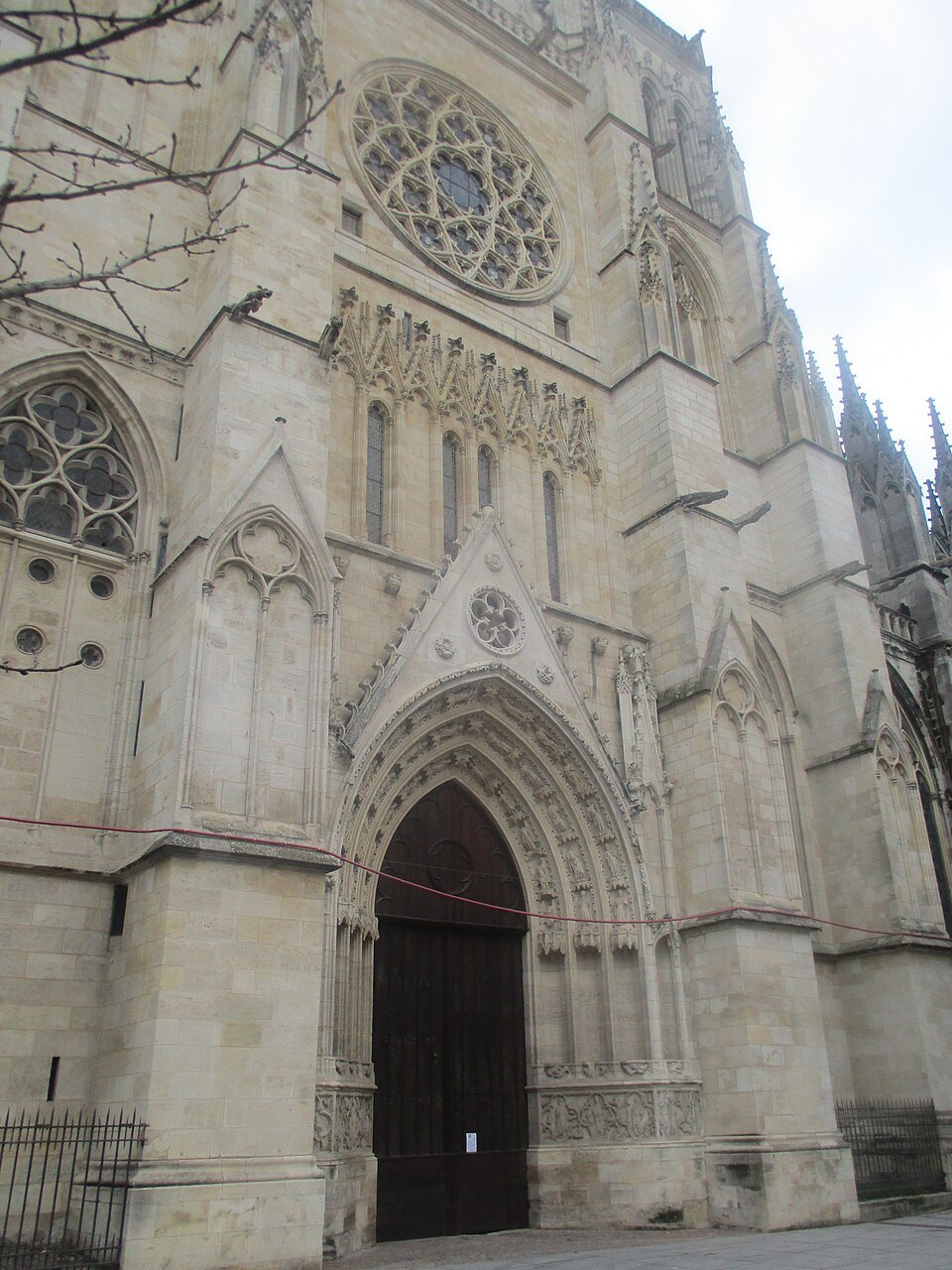
Visitors who want to connect the history to the stonework should start on the north side, facing the Place Pey-Berland, where the royal portal stands east of the north portal. Its tympanum, carved between 1200 and 1250, survived the Revolution because houses once hid it and was later used as the model for rebuilding the central portal of Notre-Dame in Paris. This is the oldest carved entrance on the building, predating both royal weddings by the better part of a century.
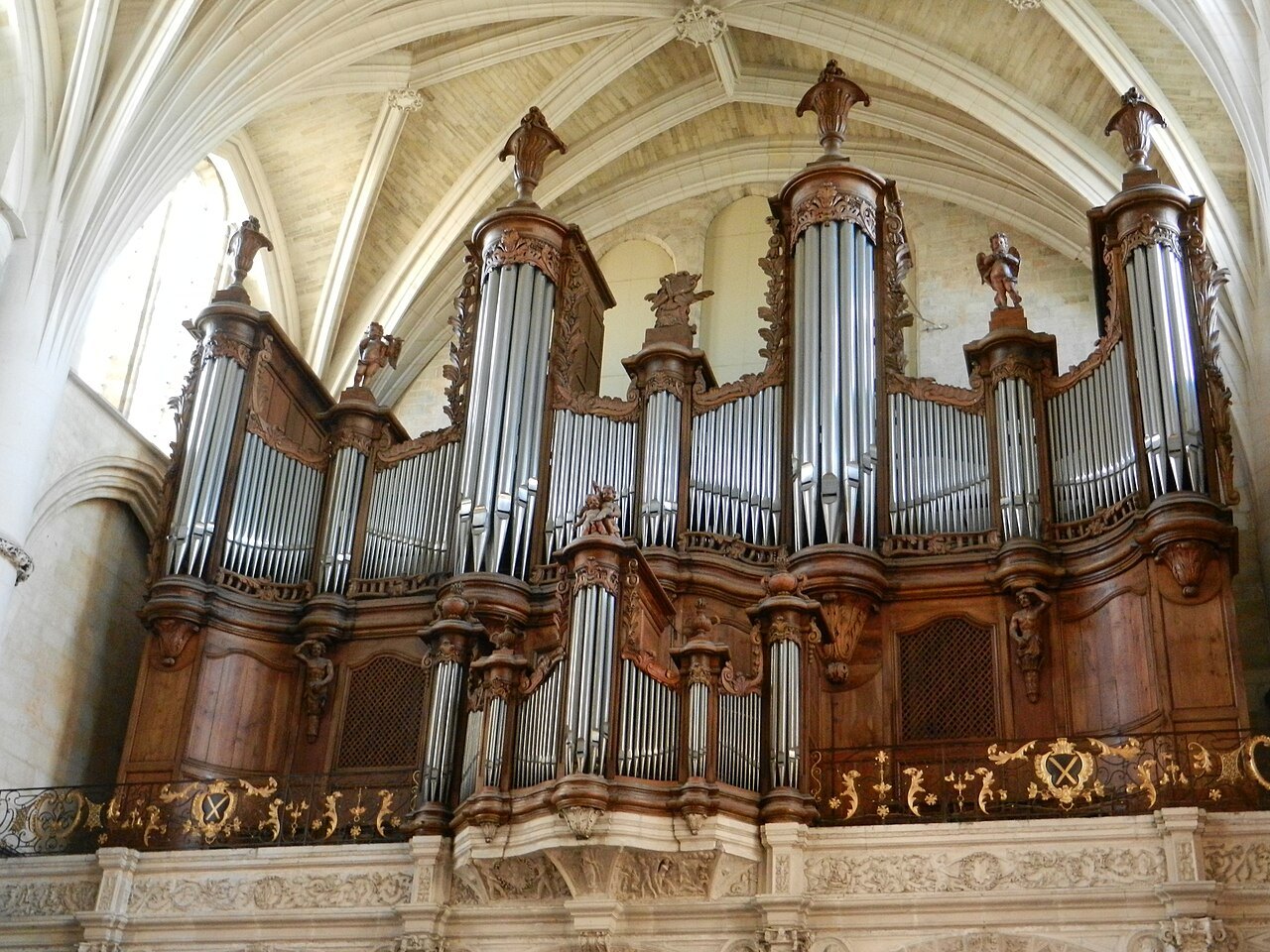
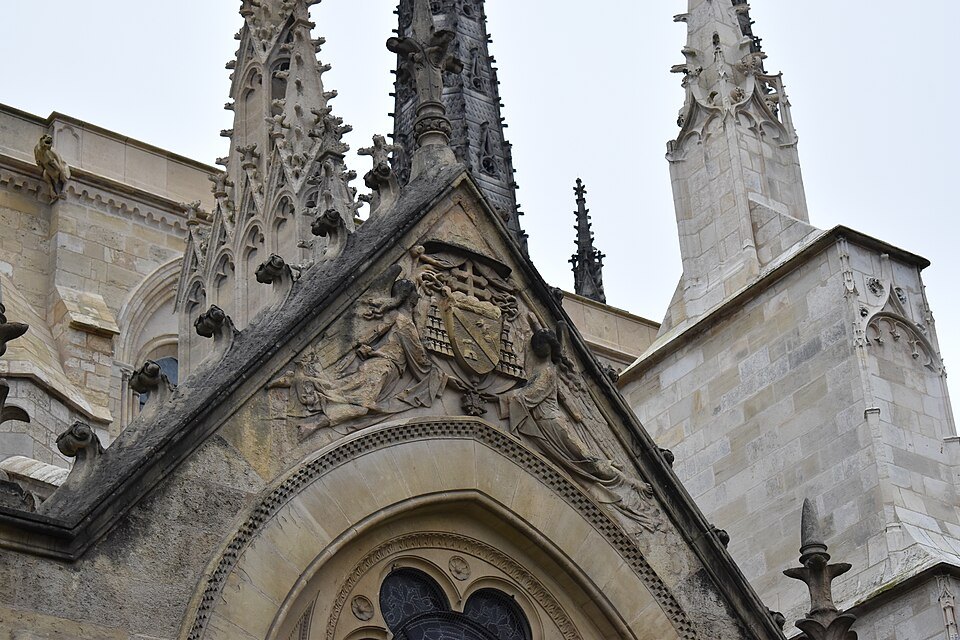
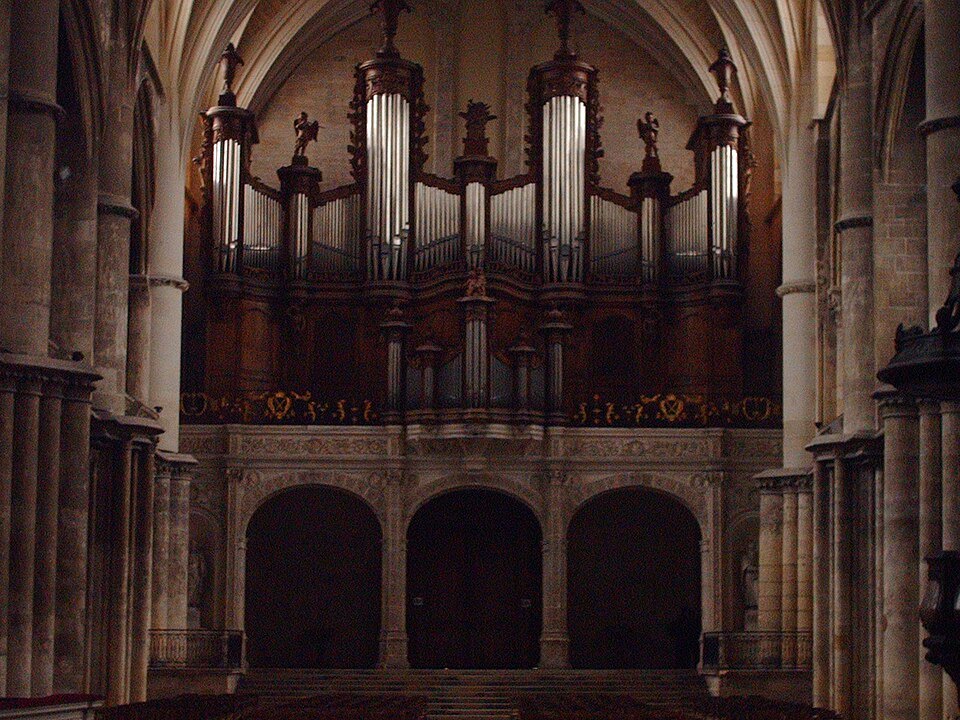
The Gramont buttress between the two north portals, begun in 1531 and covered in Renaissance putti and inscriptions, was already standing when Louis XIII married here in 1615. Inside, the organ gallery built under Archbishop Charles de Gramont that same year, 1531, still carries pieces of a later rood screen, and the keystones overhead in the nave bear the arms of Archbishop Jean de Foix and of Saint Andrew himself.
Planning the visit
The cathedral is a working church, so visits pause for services, and dress and behavior should be those expected in any place of worship. Guided visits and concerts are organized from time to time; check with the cathedral itself for current arrangements rather than assuming availability. Allow about twenty minutes to walk the outside circuit and half an hour inside, more if hunting for the carved misericords under the choir stalls.
The free-standing Pey-Berland Tower stands a few meters from the east end and can be climbed; check current conditions before planning around it. The Palais Rohan, the former archbishop's palace, faces the square and is now the town hall, and the Musée d'Aquitaine is a short walk south for more on the city's medieval and English-era history. The Hôtel de Ville tram stop on the square serves lines A, B, and F.
Honest notes
Much of the cathedral's medieval appearance outside is actually nineteenth-century restoration work, led from 1863 by Paul Abadie, later architect of the Sacré-Cœur in Paris; the spires in particular have been rebuilt repeatedly. Two dates are easily muddled: the building was consecrated in 1096, but the Gothic structure visible today took from the thirteenth century to the sixteenth to complete, meaning neither royal wedding happened in a finished building by modern standards.
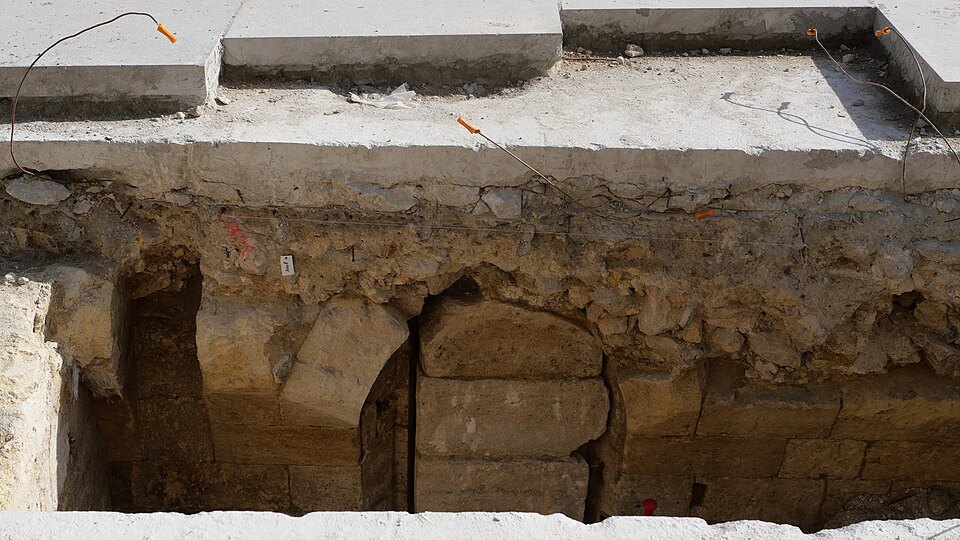
Eleanor's marriage in 1137 took place in a cathedral still mostly Romanesque and only beginning its Gothic transformation; Louis XIII's in 1615 took place in a church that was substantially the Gothic one standing today, decades before Abadie's restorations. Keeping those two timelines separate makes sense of why the same building can hold such different-looking history side by side.
More from the journal
- The Pey-Berland TowerWhich tower should you climb in Bordeaux, Pey-Berland or Saint-Michel?Bordeaux has two great free-standing bell towers: the cathedral's Pey-Berland Tower in the middle of the old town and the spire of Saint-Michel by the river. How they differ, what you see from each, and what to check first.Read the piece
- The Grand ThéâtreCan you visit the Grand Théâtre of Bordeaux without seeing a show?How to see Victor Louis's neoclassical opera house, its façade, staircase and dome, without booking a seat for a show.Read the piece