Read on
A peninsula built for wine, not for trains
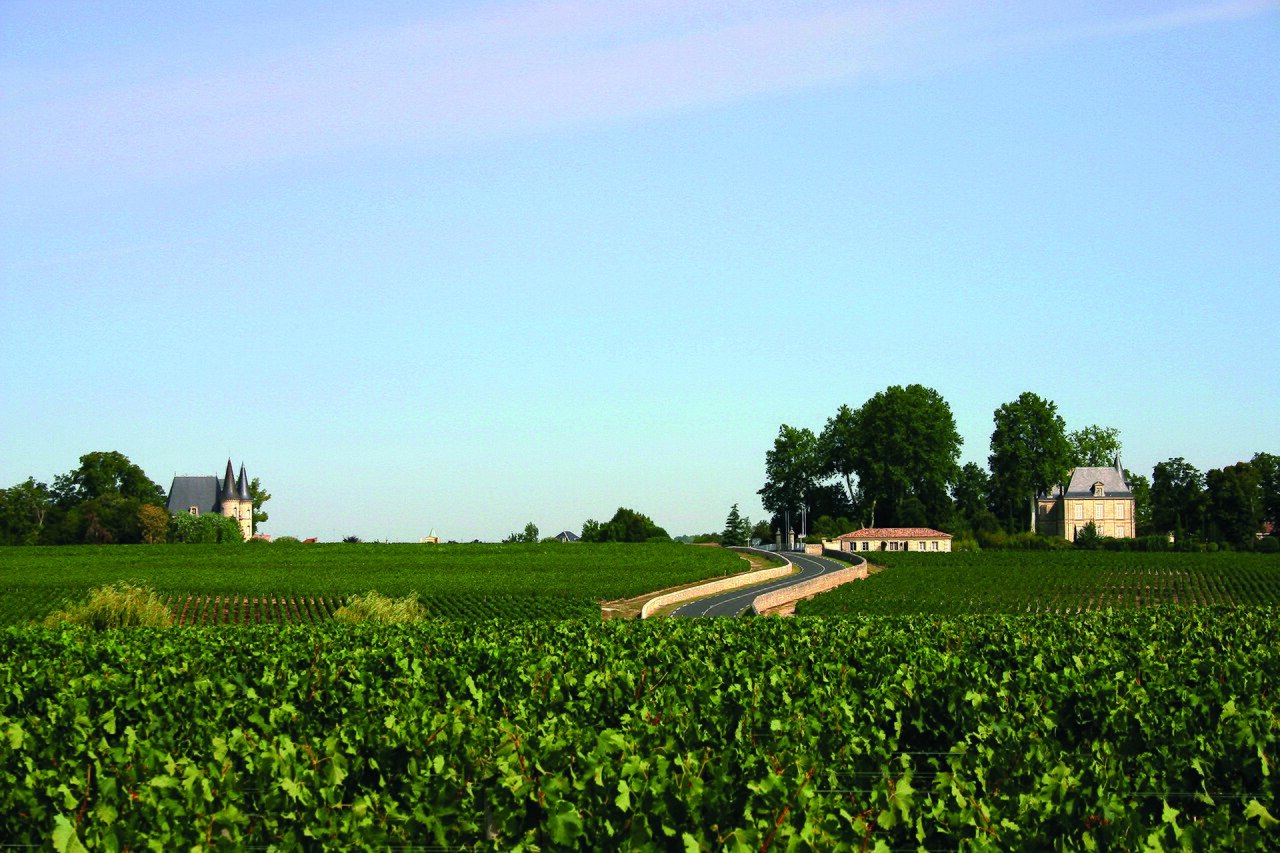
The Médoc is the flat, pine-fringed peninsula that runs north-west of Bordeaux between the Gironde estuary and the Atlantic. Its name comes from the Medulli, the Celtic people who once lived there, and its gravel soils drain well and hold the day's heat, which is part of why its grapes ripen so reliably. With the exception of Château Haut-Brion in the Graves, every red wine in the 1855 classification comes from here, and some fifteen hundred vineyards line the road that follows the estuary, château after château with little space between the vines and the water.
This concentration of famous names is exactly what draws day-trippers north from Bordeaux. The wine was historically shipped out through the merchants of the Chartrons, whose old quarter can still be explored back in the city; see /chartrons/. But the vineyards themselves sit well outside Bordeaux, spread thinly across a long, quiet peninsula of pine forest and sandy beach rather than gathered in one walkable village, which changes how a visitor has to plan the day.
Some links on this page are affiliate links. If you book through one we may earn a commission, at no extra cost to you. It does not affect what is recommended here, and no sight page on this site carries one.
Somewhere to leave bags on a travel day, and mobile data for trains and route maps.
Why it is harder to reach than Saint-Émilion or Arcachon
Of the region's classic day trips, Saint-Émilion and Arcachon are straightforward by regional train from Saint-Jean station, with services running most of the day in season. The Médoc is not served the same way. Its châteaux are scattered along a long stretch of estuary road rather than clustered around a single train-served town, and public transport between them is thin. That single fact decides most of the planning for a Médoc day trip: without a car, a tour, or a boat, the day becomes difficult to put together independently.
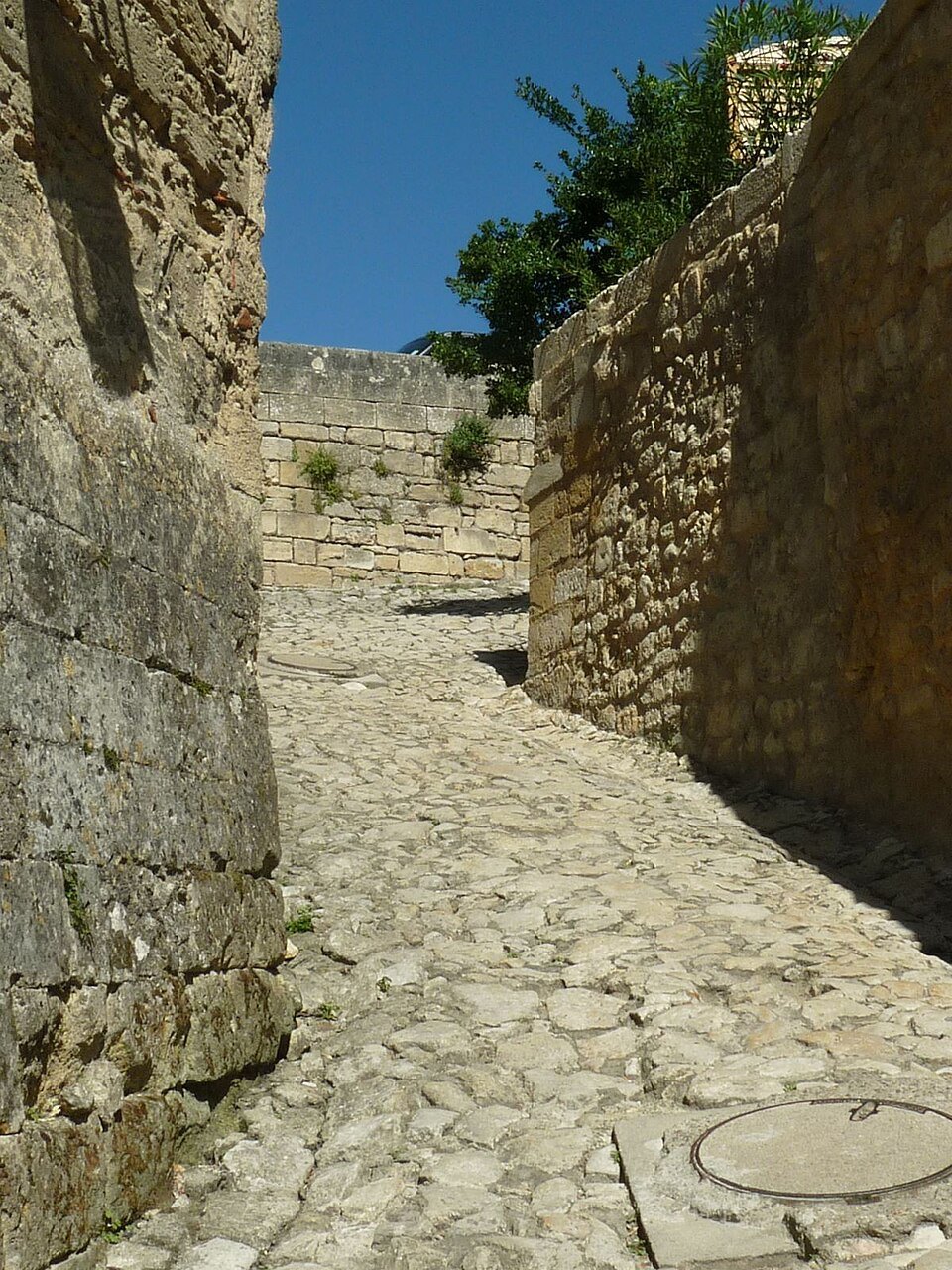
This does not make the Médoc a poor choice, only a different kind of day trip. Saint-Émilion rewards a visitor on foot who wants a medieval village of steep lanes and an afternoon among its vineyards. The Médoc rewards a visitor who wants to see working wine estates spread across open country, with long views toward the estuary, and who has arranged transport accordingly before setting out.
Getting there without driving yourself
Three practical options cover most visitors. A rental car gives the most flexibility, letting a visitor choose which châteaux to approach and in what order and how long to linger at each, though it also means one person in the group should not drink at the tastings if they are driving back. A guided tour booked from Bordeaux removes that problem and usually bundles appointments at estates that would otherwise be hard to arrange independently, with a driver handling the roads between them. A boat trip run from the pontoon beside the Cité du Vin offers a third approach, reaching the estuary itself rather than the inland roads; check with the operator for the route, the stops, and what the trip includes.
Whichever option is chosen, book ahead. Many Médoc estates receive visitors only by appointment, and a tour or boat operator will typically need notice to confirm tastings on a given date. See /booking-ahead/ for how far in advance that usually needs to happen, and /wine-city/ for background on how Bordeaux's wine trade is organized around estates rather than drop-in cellar doors.
What a Médoc day actually involves
A typical day built around the Médoc means committing to the region rather than squeezing it between other sights. Estates are spread out along the estuary road, so a visitor usually sees two or three over the course of a day rather than wandering between many as in a village. Each visit tends to combine a walk through the rows of vines, a look at the cellars where the wine is aged, and a tasting, with transfer time between estates eating into the middle of the day, especially if the châteaux chosen lie some distance apart.
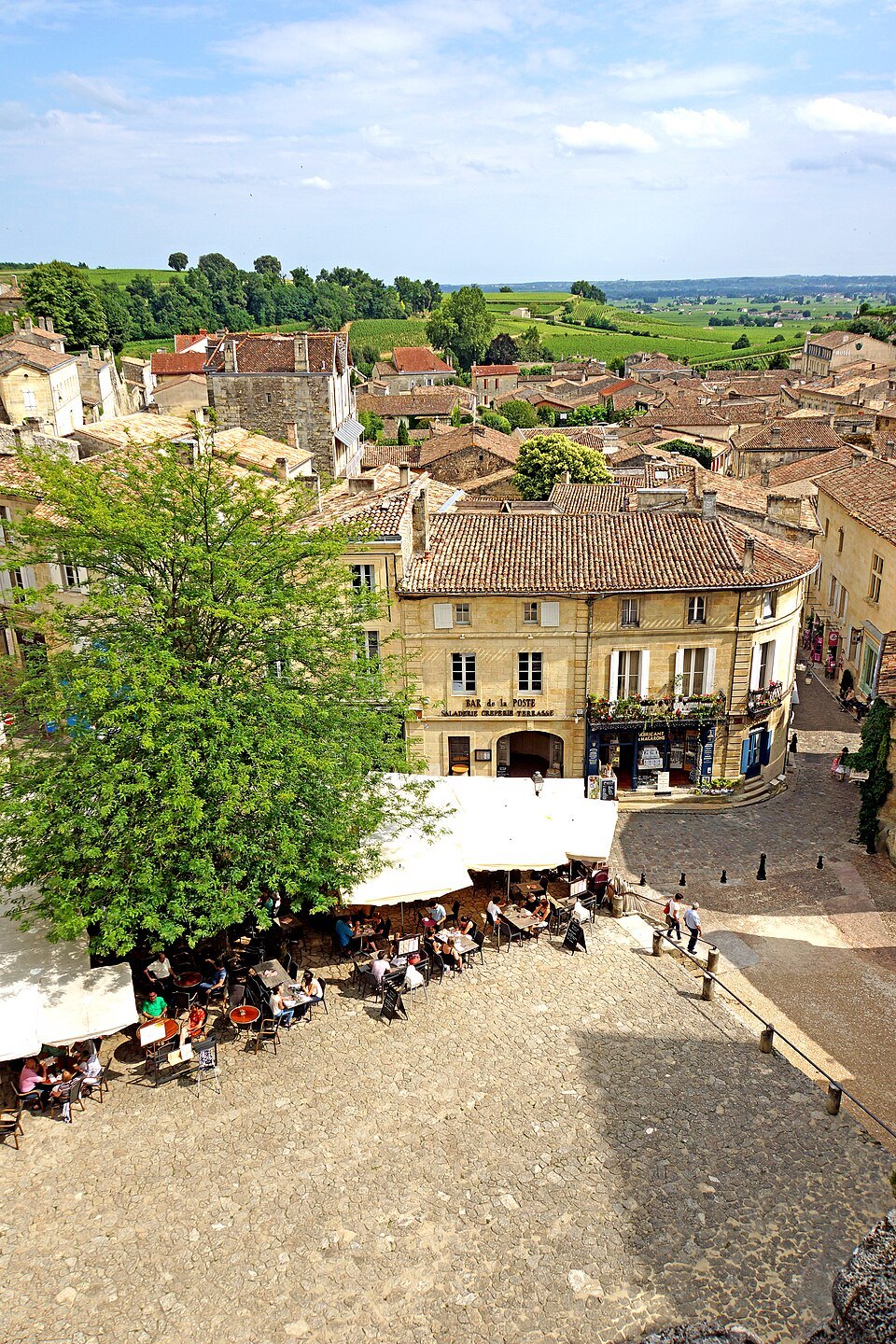
The flat, gravel country itself is part of the appeal: long views over vines running toward the Gironde, pine forest at the peninsula's edges, and sandy beaches further out toward the Atlantic coast. Because so much of the day depends on arranged visits and road transfers, it suits a visitor who has already settled the transport question rather than one deciding on the morning itself, and who is prepared to spend the day on the peninsula rather than returning to Bordeaux for lunch.
How it compares with the other classic day trips
Saint-Émilion is the trip to choose for an independent traveler without a car: trains run from Saint-Jean toward Libourne, and the village itself, with its steep tertres climbing between the hermitage and the old collegiate church, is compact enough to see on foot in an afternoon, with wine estates nearby for those who want to combine the two. Arcachon and the Dune du Pilat likewise work well by train, suiting a visitor who wants a beach, an oyster-farming bay, and a climb up Europe's tallest dune rather than a wine estate.
Blaye, across the estuary, is closer in character to the Médoc: its Vauban citadel, a fortified complex of twenty-five hectares built in the sixteen-eighties on a rocky spur above the water, and its surrounding Côtes de Blaye vineyards are also best reached by car or coach rather than train. A visitor choosing between the Médoc and Blaye for a car-based day might decide on the strength of wine versus fortress, since both lie on opposite sides of the Gironde and cannot easily be combined in a single day trip.
Deciding and planning ahead
The Médoc is worth a day trip for a visitor who wants to see the vineyards behind the 1855 classification's great names, provided the transport is arranged in advance rather than improvised on the day. It is not the trip for someone who wants to step off a train and wander, the way Saint-Émilion allows, or spend a few hours by the sea, the way Arcachon does. Before committing a day to it, decide whether a car, a tour, or a boat suits the group, and book estate appointments early, especially around the September and October harvest, when visits are a lively time to come but the estates themselves are busiest and least able to take unplanned callers.
Whatever the choice, pick one destination for the day rather than trying to pair the Médoc with Saint-Émilion or the coast; they lie on opposite sides of the city and the rivers, and the travel time alone rules out combining them in a single itinerary. The /itineraries/ page shows where a single day trip like this fits into a longer stay in Bordeaux, and how much of the rest of the trip it is worth giving up to fit it in.
More from the journal
- Day TripsCan you visit Saint-Émilion from Bordeaux in a day without a car?How to reach Saint-Émilion from Bordeaux by train for a day trip, and what to check before you go.Read the piece
- Getting AroundIs Bordeaux easy to explore by bike?How cycling fits into Bordeaux's transport mix, where the riding is easiest, and where it makes more sense to walk.Read the piece
- The Bassins à Flot and the Submarine BaseWhat is inside the old submarine base in Bordeaux?A wartime U-boat bunker on the Bassins à Flot, now a digital art center in its flooded pens and a neighborhood arts venue. What it was, what you see inside, and what grows on its roof.Read the piece