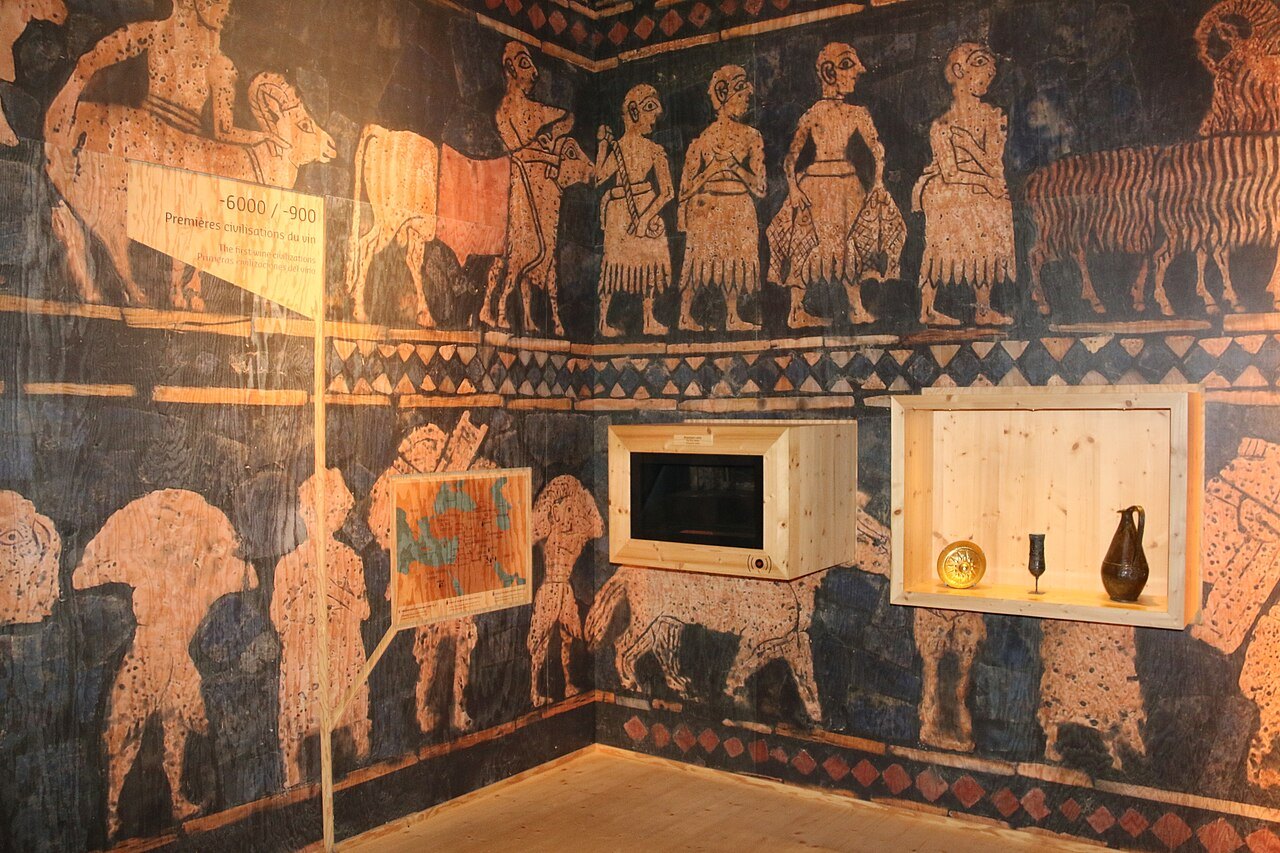
What was the Chartrons wine trade, and what is left of it?
How the Chartrons merchants built Bordeaux on wine it did not grow, and where to see their trade today.
Read on
A city built on selling, not growing
Bordeaux sits at the center of one of the largest wine-growing areas in France, more than a hundred thousand hectares of vines spread around the Gironde estuary and its two rivers, yet almost none of that wine grows inside the city itself. The vineyards belong to thousands of estates under dozens of appellations; Bordeaux's own role was always to buy, age, blend, and ship what others grew. The Romans brought the vine to the region around the middle of the first century, but the trade that eventually made the city rich began many centuries later.
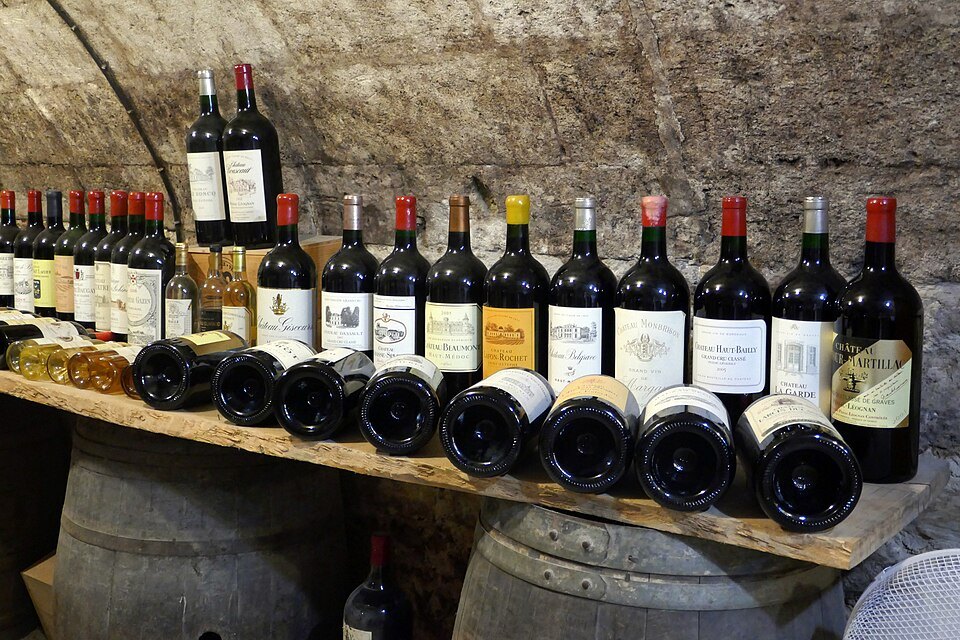
That trade opened after Eleanor of Aquitaine married Henry Plantagenet in 1152 and he became king of England, giving Bordeaux a market across the Channel that lasted three centuries. It gave English the word claret, from clairet, the light red wine once made in the Graves, the district just upstream of the city that led the region through the Middle Ages. When France took the province back in 1453 the English crown's direct hold ended, but the merchants who filled the gap kept Bordeaux's harbor as busy as ever.
Their successors, settled in a riverside district called the Chartrons, carried that business across northern Europe for generations more. The wealth of the eighteenth-century city, and much of the pale stone that still lines its streets, came from that trade, alongside the colonial commerce that ran beside it and is set out at the Musée d'Aquitaine.
A trade run by outsiders
The Chartrons merchants were rarely from Bordeaux itself. After 1453, Scottish traders kept a privileged place in the wine business under the Auld Alliance between France and Scotland, a legacy of the centuries when the two countries stood together against England and a tie that outlasted the political alliance itself. In the seventeenth century, Dutch traders arrived with a more practical kind of expertise: they drained the marshy Médoc peninsula so that vines could be planted on the gravel the drainage exposed, work that let the Médoc slowly overtake the Graves as the region's most prestigious district over the following two centuries.
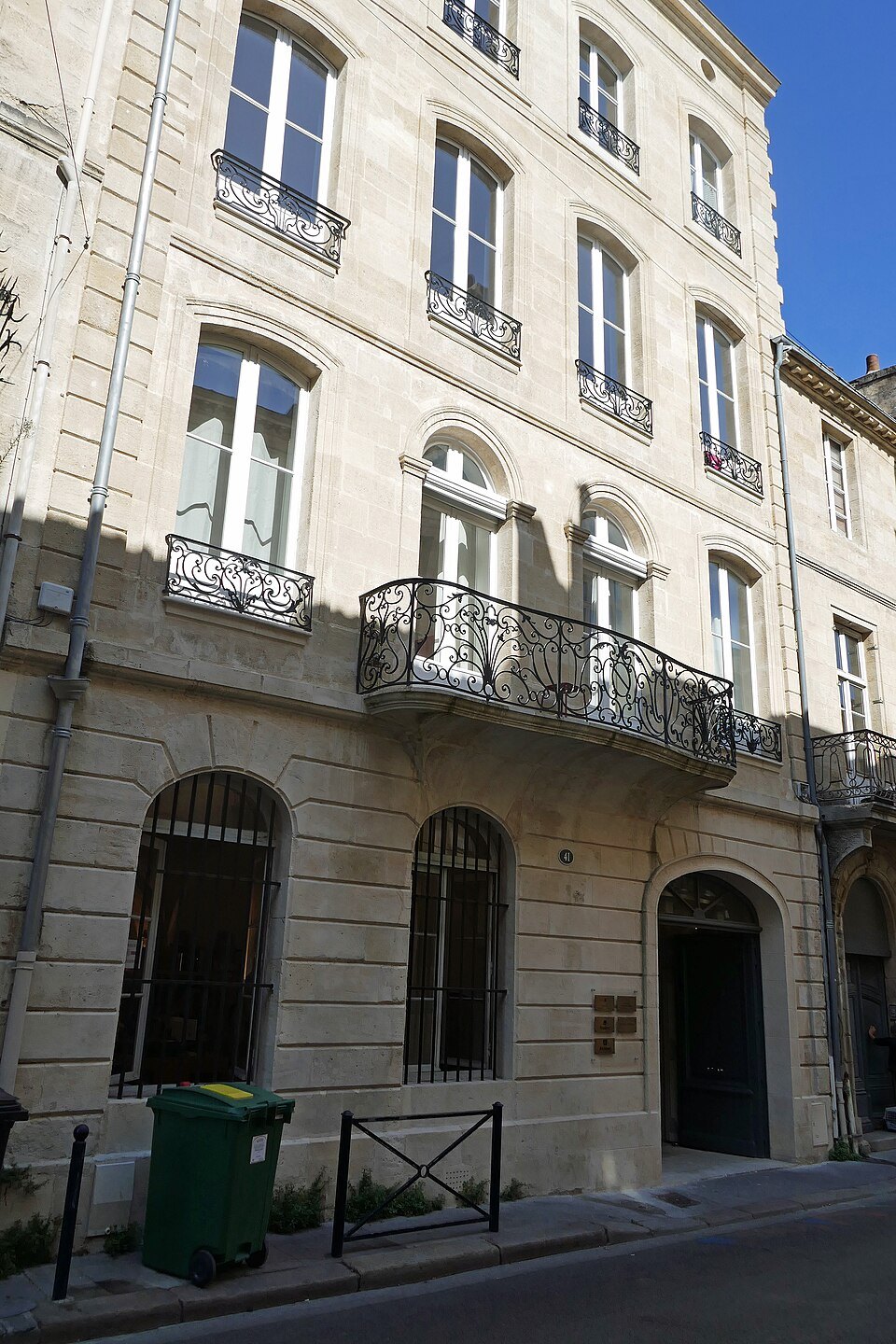
Irish, German, and other northern European families followed the Scots and the Dutch, settling permanently in the Chartrons and building the merchant houses that still line its streets today. Their money, earned on wine shipped to buyers who never saw Bordeaux, paid for much of the uniform, grand stone architecture that defines the eighteenth-century city, the look visitors still find along the quays and the old merchant streets behind them.
What the merchants were actually selling
Understanding the Chartrons trade means understanding what moved through it. The Médoc's dominant grape was Malbec until Cabernet Sauvignon replaced it in the early nineteenth century, a shift the merchants would have watched directly in the barrels arriving at their cellars. In 1855 the leading châteaux were ranked in a classification that is still widely used today, with four of its five first growths in the Médoc and one, Château Haut-Brion, in the older Graves district; Chartrons merchants built reputations and fortunes on selling exactly these ranked names abroad.
Geography shaped the whole business. The Dordogne and Garonne join just north of the city to form the Gironde estuary, and the vineyards fall into the left bank around the Médoc and Graves, the right bank around Saint-Émilion and Pomerol near Libourne, and the Entre-Deux-Mers between the two rivers. The old trading saying held that the best estates could see the river from their vines, on the well-drained gravel soils nearest the water, the same soils the Dutch had exposed in the Médoc.
The trade nearly ended altogether when phylloxera destroyed almost every vineyard in the region between 1875 and 1892; it survived only because growers grafted vines onto American rootstock, a solution the Chartrons merchants depended on just as much as the châteaux did. More recently, growers approved several new grape varieties in 2019 for basic Bordeaux and Bordeaux Supérieur wines, a response to a warming climate that the merchants of two centuries ago never had to consider.
Walking what they left behind
The physical trace of the Chartrons trade survives in the quarter itself, best explored on foot along the Chartrons quay and the rue Notre-Dame, where merchant families both lived and worked, often with warehouses and aging cellars built directly beneath the family home. Walking the full length of these streets takes under an hour without stopping, but the detail is in the doorways, cellar vents, and carved facades rather than in any single building worth lingering over.
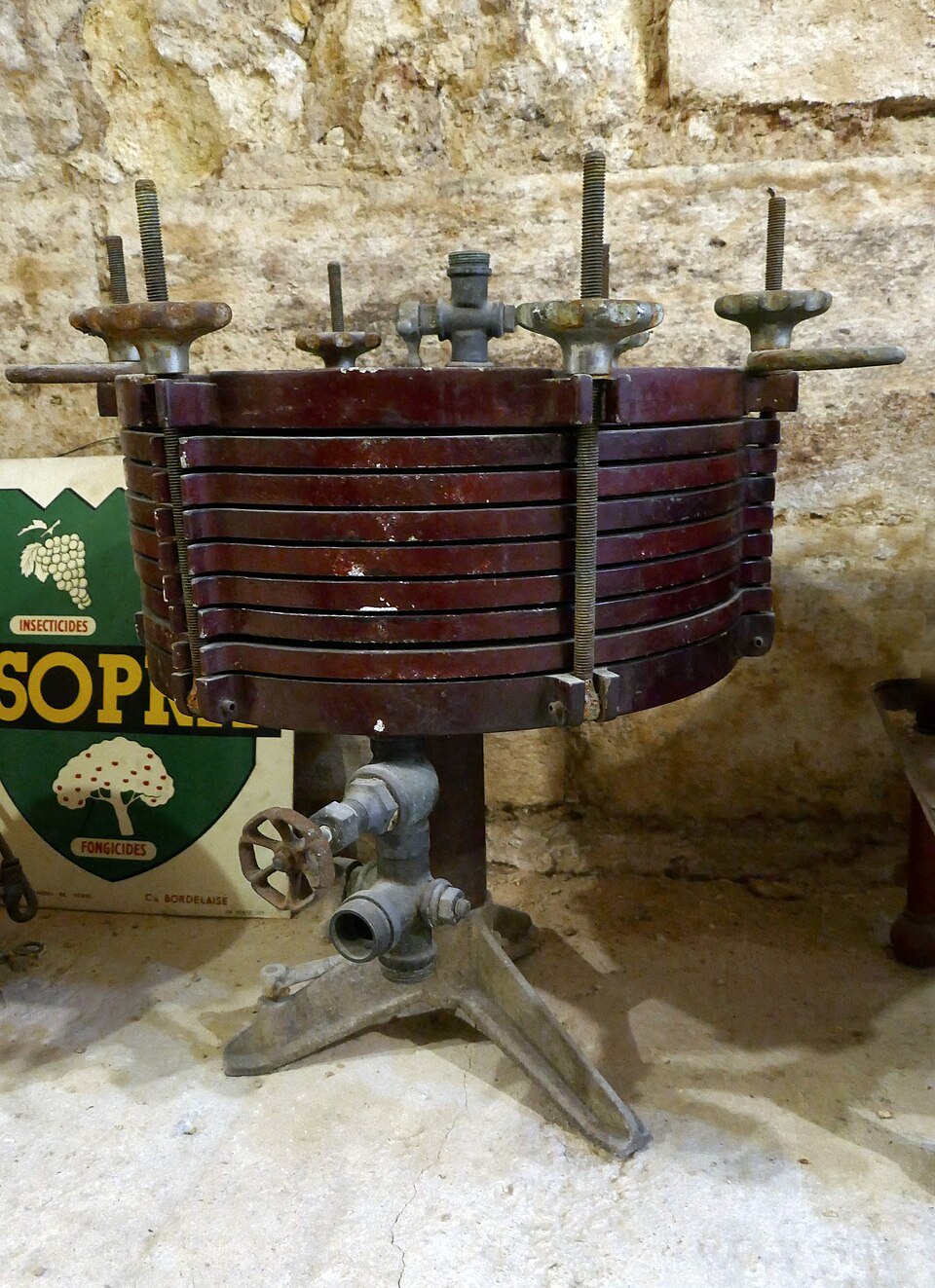
Many merchant names did not disappear with the families themselves; they survive today as the names of wine estates scattered across the Médoc, a direct and still-visible link between a Chartrons trading office and the vineyard that once supplied it. A fuller picture of the quarter, including its later life as an antiques and design district, is on the Chartrons neighborhood page, useful for combining this history with lunch or browsing in the same streets.
The cellars that explain the business
The clearest place to understand how the trade actually worked is the Musée du Vin et du Négoce, set in the half-buried vaulted cellars of a merchant's house built in 1720. It walks through the mechanics of the business in some detail: how wine arrived young from the châteaux, how it was aged, fined, and blended inside Bordeaux before being sold under a merchant's own name rather than the grower's, and who along that chain actually kept the profit.
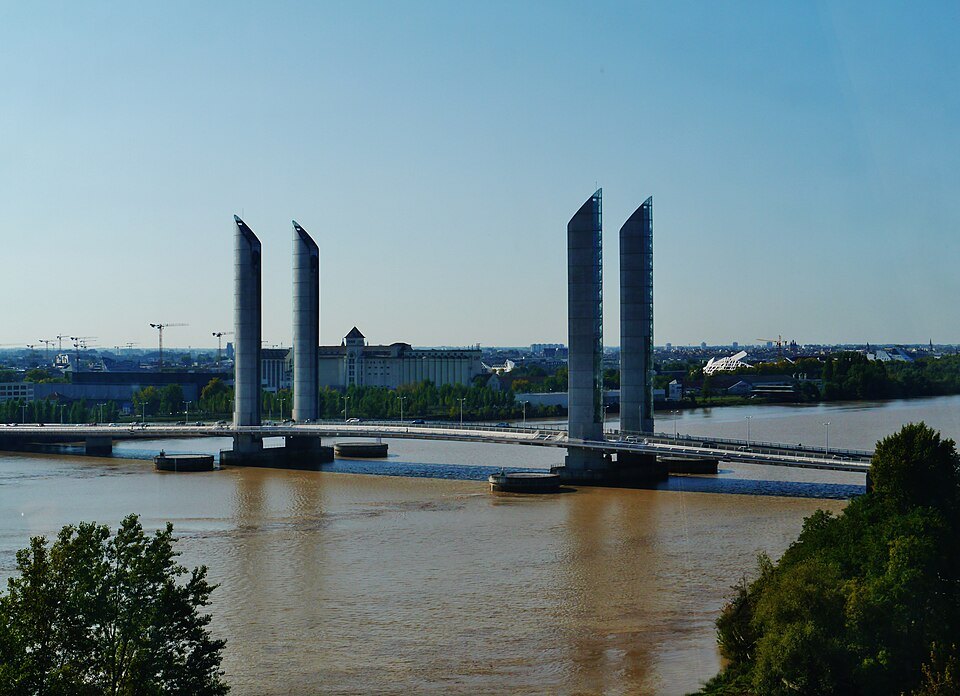
That focus on local commerce complements the far broader, more global story told at the Cité du Vin, which treats wine as a culture stretching from ancient Georgia to modern design and ends with a glass on its belvedere above the river. Visiting the Chartrons museum either before or after the Cité du Vin gives the historical, local version of the same subject, set in the actual stone cellars where the business was once done.
Glass, bottles, and shipping
Shipping wine in volume required bottles in volume, and the Chartrons quarter supplied those too. The first glassworks in Bordeaux was founded there in 1723 by an Irishman, part of the same wave of foreign merchants who ran the wine trade itself, and it grew over the following century into the largest bottle factory in France, a reminder that the Chartrons economy was never only about buying and selling liquid; it also built the industry that packaged it for the long journey north.
What is left to see, and what to check
Little of the old trading machinery still functions as it did two centuries ago. The merchant houses are now largely private homes or repurposed shops and galleries, and the Chartrons quay that once loaded barrels onto ships now serves walkers and cyclists rather than wine casks. What remains genuinely viewable are the museum cellars, the street pattern of the old trading quarter, and the merchant names still printed on Médoc estate labels.
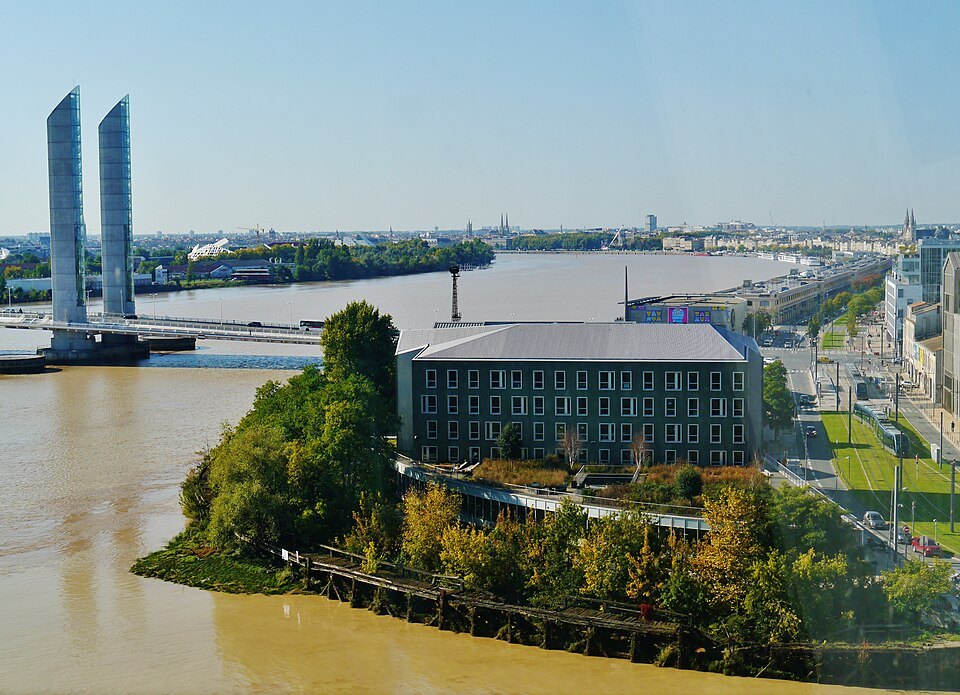
For the vineyards themselves, rather than the merchants who once sold their wine, see the day trips page: Saint-Émilion is reachable by regional train toward Libourne, while the Médoc's estates are spread along the estuary and are best reached by car or an organized tour. Figures for the region's vineyard area, number of estates, and number of appellations shift from year to year as growers adjust to changing demand, so for current details on any particular estate visit or tasting, check directly with the operator, the estate itself, or the Bordeaux tourist office.
More from the journal
- The Bassins à Flot and the Submarine BaseWhat is inside the old submarine base in Bordeaux?A wartime U-boat bunker on the Bassins à Flot, now a digital art center in its flooded pens and a neighborhood arts venue. What it was, what you see inside, and what grows on its roof.Read the piece
- When to ComeWhat happens at Bordeaux Fête le Vin, the wine festival on the quays?Every year at the end of June, Bordeaux turns its riverfront into a wine festival: tasting pavilions for the wines of Bordeaux and the region, tall ships at the quay, regional food and a show over the river at night. What to expect, and how to plan around it.Read the piece
- The Wine CityWhat can you see inside the Cité du Vin?A walk through the Cité du Vin's exhibition, belvedere and free wine library in Bordeaux.Read the piece