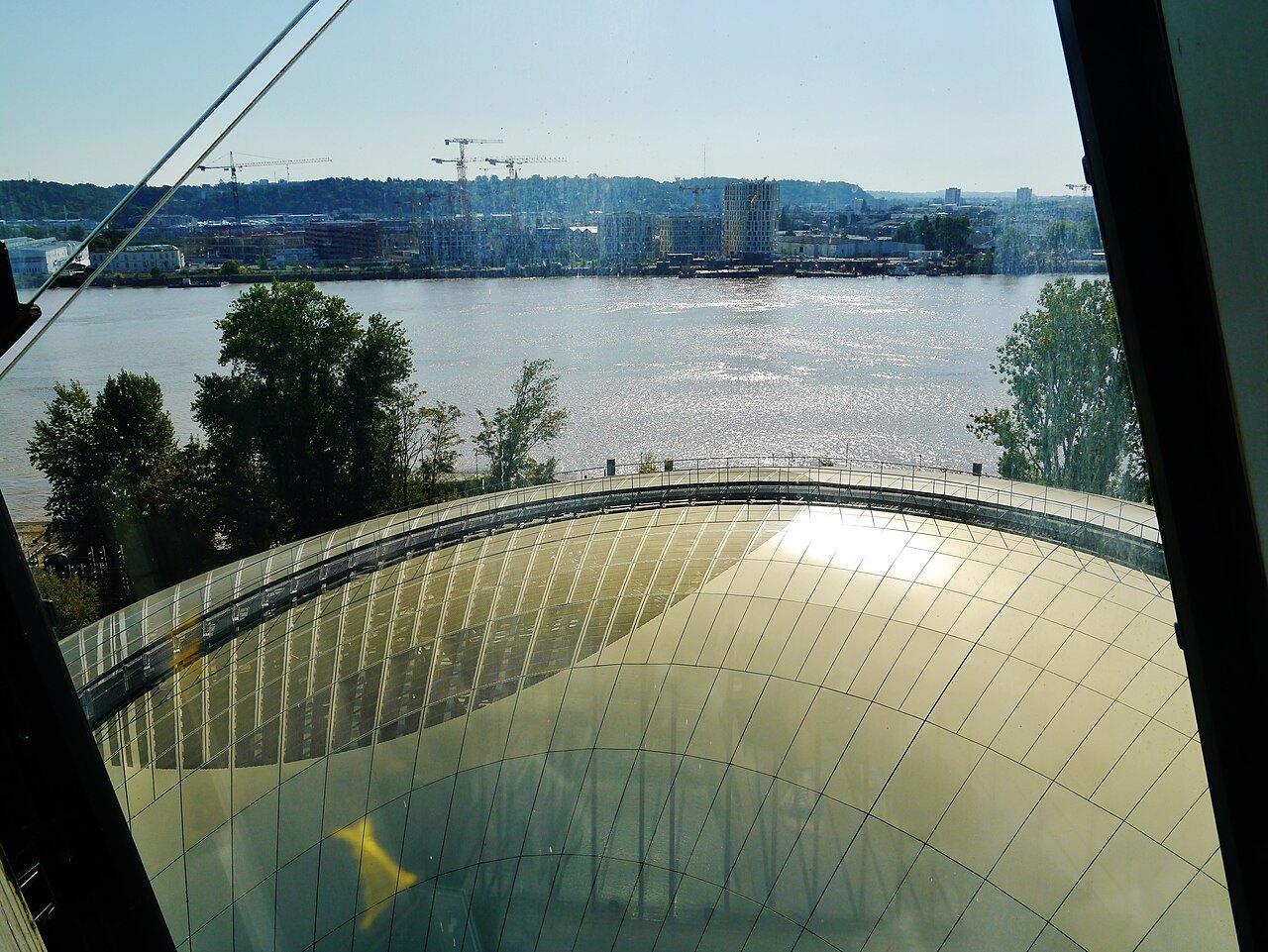
What can you see inside the Cité du Vin?
A walk through the Cité du Vin's exhibition, belvedere and free wine library in Bordeaux.
Read on
A global view of wine
The Cité du Vin stands on the riverfront beyond the Chartrons, and its permanent exhibition does not confine itself to Bordeaux. It takes a deliberately global view of wine as a culture rather than a local trade, opening with the earliest known evidence of winemaking in ancient Georgia and moving outward from there.
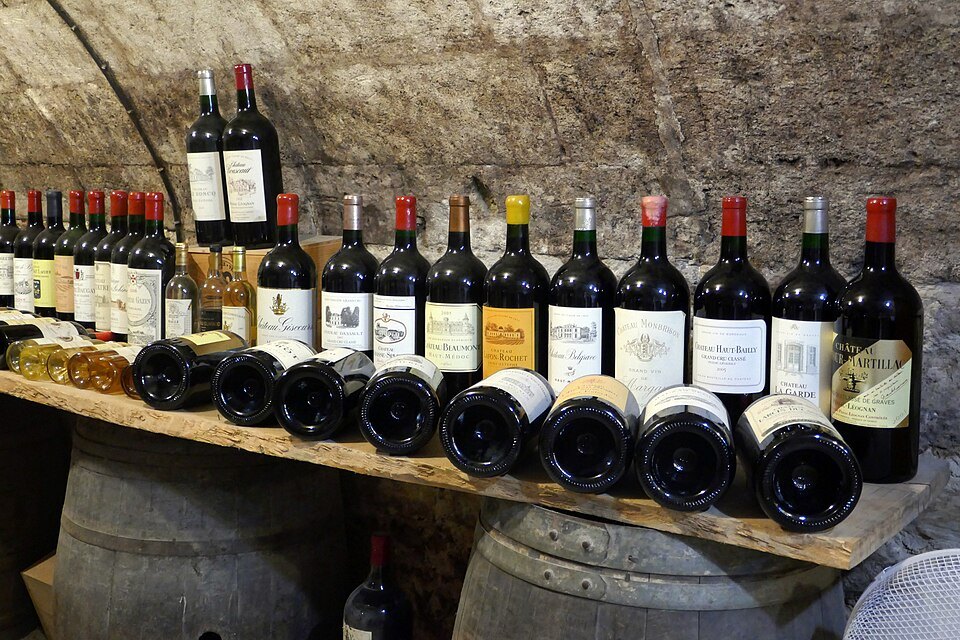
From that point the galleries follow wine through the trade routes, religions and rituals that carried it across the world long before Bordeaux existed as a wine port, and on into the design and science of the modern cellar. The exhibition is large enough that a visitor moving through at an ordinary pace should expect it to fill the better part of a morning or an afternoon, especially for anyone who wants to read every label rather than walk past.
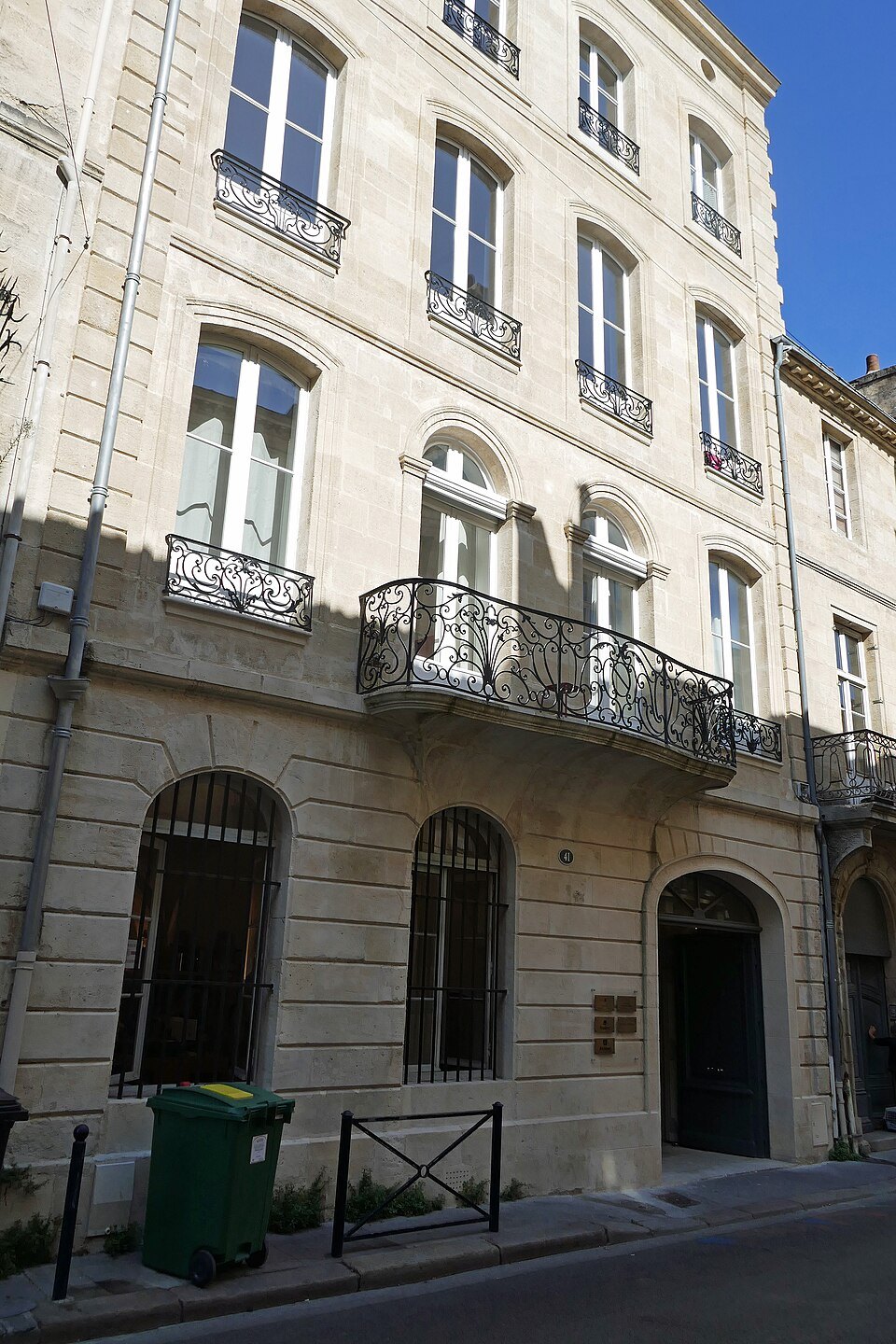
That breadth means a visitor can spend as much time among displays on vineyards on the far side of the world as on anything grown within sight of the city itself. For the local half of the story, how Bordeaux's own merchants bought, aged, blended and shipped the wine of the Gironde, the Musée du Vin et du Négoce picks up where the Cité du Vin leaves off, set in the half-buried vaulted cellars of a merchant's house built in 1720.
Through the galleries to the belvedere
Whichever themes a visitor lingers over, the exhibition is built to end at the same place: a belvedere raised above the river, reached only after the galleries. That design gives the climb through the building a sense of working toward something, rather than simply touring a museum floor by floor.
The visit closes there with a glass of wine and a view over the water that carried Bordeaux's export trade for three centuries, first to England and later across northern Europe. Exactly what is poured on the belvedere, and whether a visitor has any choice in it, is worth confirming directly with the Cité du Vin, since what is offered can change and a guidebook should not guess at it.
The wine library on the ground floor
The ground floor holds a separate attraction of its own: a wine library of around fourteen thousand bottles drawn from roughly seventy wine regions, arranged for browsing by anyone who walks in off the street. No ticket to the galleries is required to see it, which makes it one of the few parts of the building open to a visitor who has not booked ahead, and a useful fallback if a gallery visit does not suit the day's plans.
It works well either as a stop on its own for someone short on time, or as a quick way to get a sense of the building before tackling the exhibition proper. Because it sits apart from whatever entry arrangement the galleries use, it is worth asking at the desk exactly how the two parts of a visit fit together.
The quay outside: Chartrons and the merchants
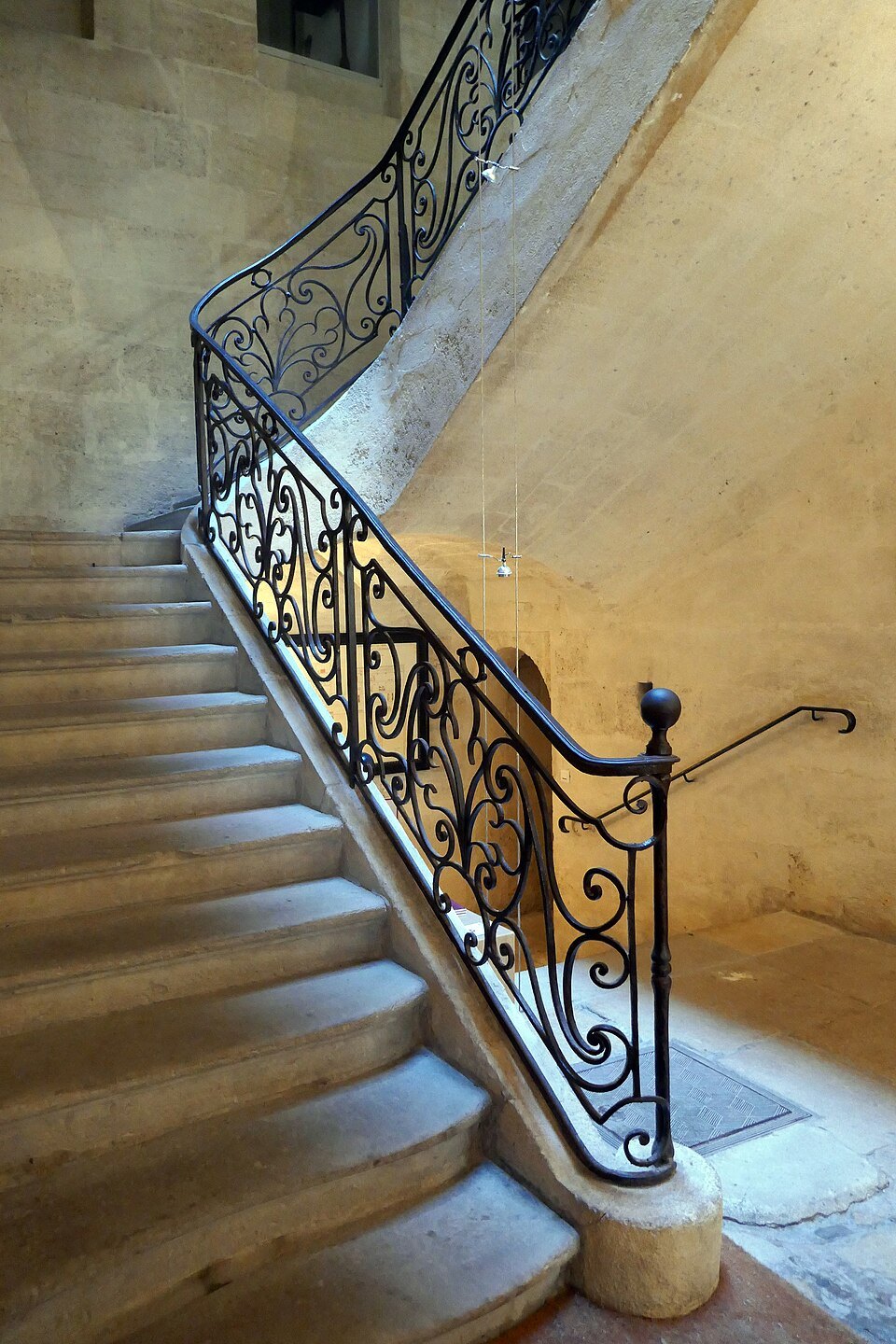
A visit to the Cité du Vin pairs naturally with a walk along the Chartrons quay and the rue Notre-Dame, the streets where the merchant families who built Bordeaux's wine trade once lived and worked. Their names still survive on estates across the Médoc today, a reminder that the trade the exhibition treats as a global subject had a very specific address in this part of the city.
The quarter's own industrial history sits alongside that trade: the first glassworks in Bordeaux was founded here in 1723 by an Irishman and grew into the largest bottle factory in France, supplying the containers the merchants filled and shipped downriver. The bottles that once left this quay for England and beyond were blown in exactly this kind of factory, and walking between the Cité du Vin and the Musée du Vin et du Négoce ties the modern exhibition back to the streets that paid for it.
Boats, festivals and the vineyards beyond
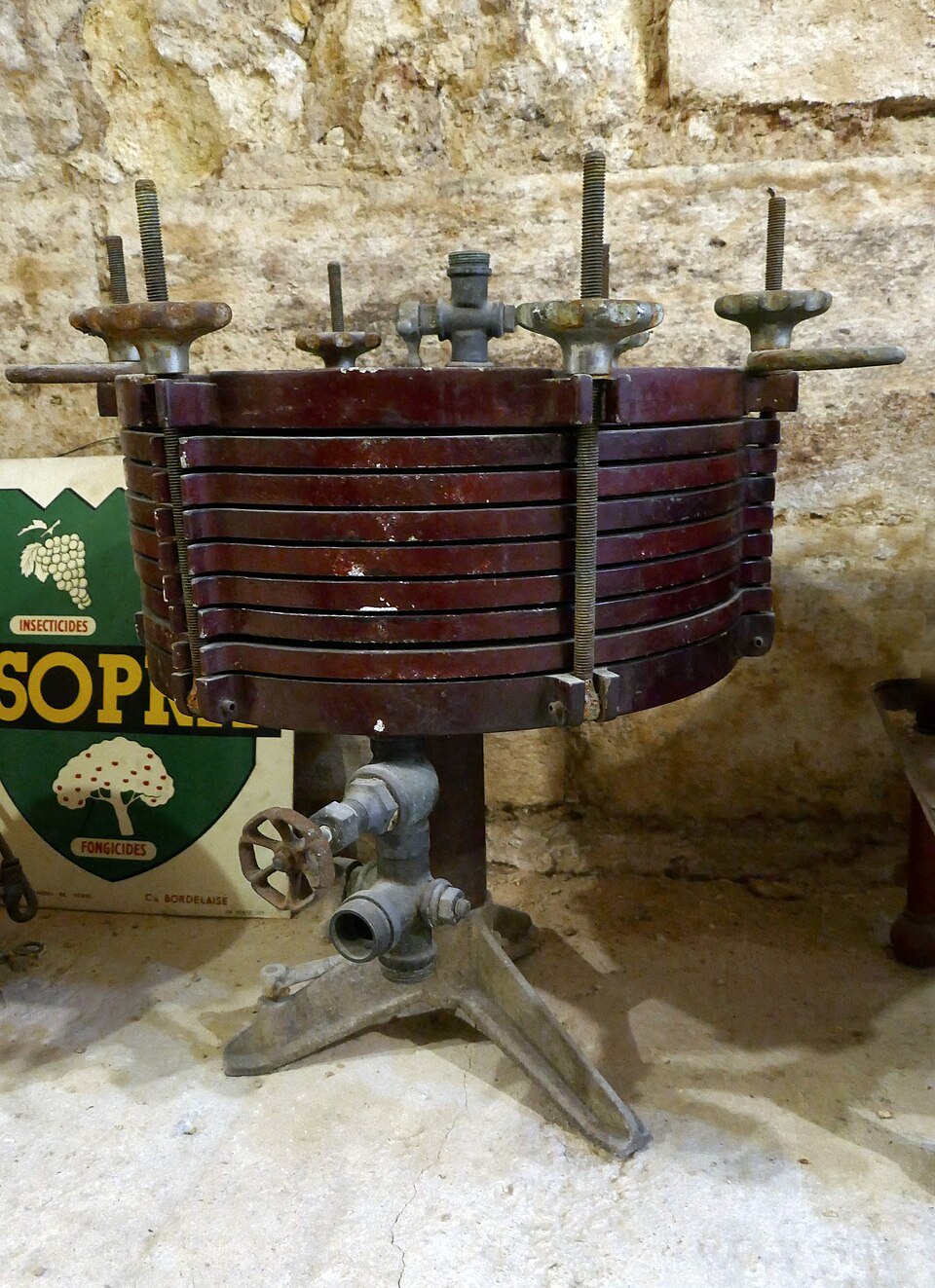
A pontoon beside the Cité du Vin is the starting point for boat trips into the wine country, one of several practical ways of reaching the vineyards themselves; see day trips for how those compare with going by car, by regional train toward Libourne for Saint-Émilion, or on an organized tour for the Médoc's more scattered estates.
In late June the city's own wine festival, held along the quays nearby and organized by the tourist office since 1998, brings pavilions for tasting wines from Bordeaux and Nouvelle-Aquitaine, regional food such as Arcachon oysters and Périgord duck, concerts, and historic tall ships moored on the river; a recent edition drew more than four hundred thousand people. See when to come for how the dates fall.
That is a very different way of meeting Bordeaux wine from a morning in the museum's quiet galleries, open-air and crowded rather than curated, and worth weighing when planning a wine-themed stay. A visitor driving onward to any estate afterward should remember that tasting and driving do not mix, which is why the train or an organized tour is often the simpler choice.
Planning the visit
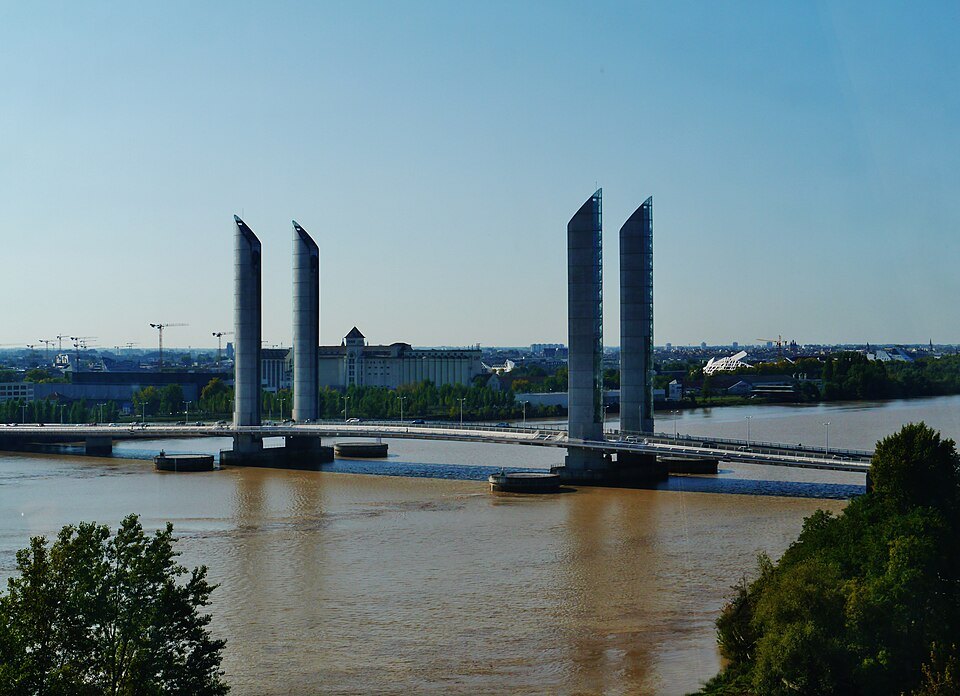
A wine-themed stretch of a day can begin on the Chartrons quay, move through the exhibition and belvedere, and finish with the wine library, or run in the other order depending on where a visitor starts. Because the building combines a ticketed exhibition with a free ground-floor library, it is worth checking directly with the Cité du Vin how entry is organized before arriving.
A visitor who wants the exhibition, the belvedere and time afterward in the wine library should allow a half-day rather than treating any one element as a quick stop, especially if the Chartrons quay walk is added at either end. That pace also leaves room for a drink in the Chartrons afterward, rather than rushing from one wing of the building to the next. Booking ahead, where it applies, is worth doing well before arrival rather than on the day.
Honest notes
The Cité du Vin is explicitly not a vineyard. Nothing of the region's hundred thousand hectares of vines grows beside it, and most of what the city's own bistros pour is the everyday wine the Gironde produces in bulk, not the grand names the exhibition sometimes evokes.
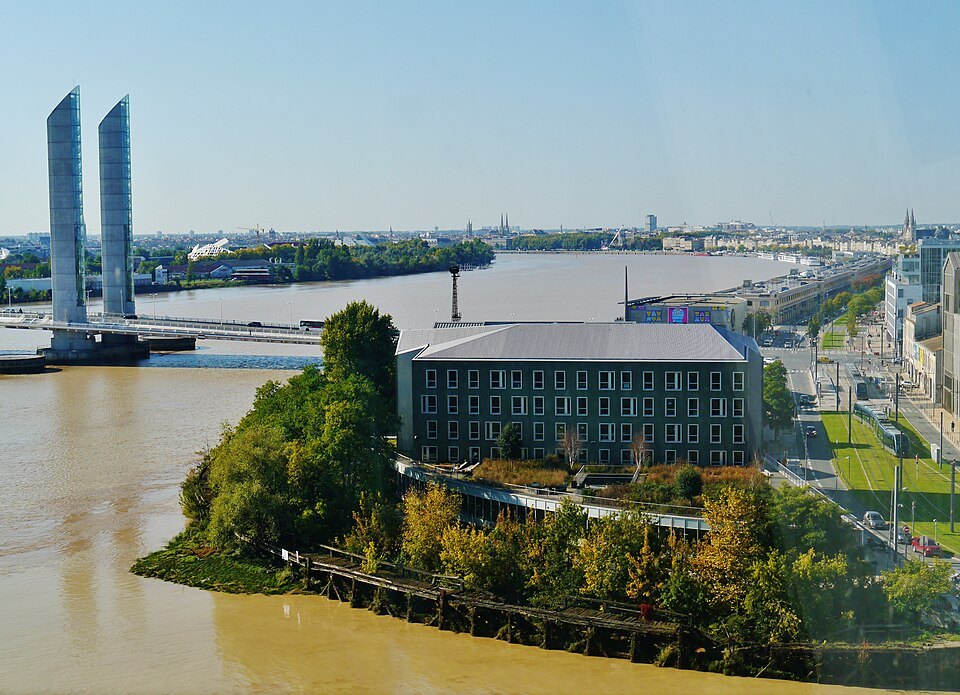
For the famous châteaux themselves, a separate trip into the vineyards is still required, whether by regional train toward Libourne for Saint-Émilion, by car, or by an organized tour for the Médoc's more scattered estates, since none of that trade's source lies inside the city.
More from the journal
- When to ComeWhat happens at Bordeaux Fête le Vin, the wine festival on the quays?Every year at the end of June, Bordeaux turns its riverfront into a wine festival: tasting pavilions for the wines of Bordeaux and the region, tall ships at the quay, regional food and a show over the river at night. What to expect, and how to plan around it.Read the piece
- The Bassins à Flot and the Submarine BaseWhat is inside the old submarine base in Bordeaux?A wartime U-boat bunker on the Bassins à Flot, now a digital art center in its flooded pens and a neighborhood arts venue. What it was, what you see inside, and what grows on its roof.Read the piece
- Getting AroundIs Bordeaux easy to explore by bike?How cycling fits into Bordeaux's transport mix, where the riding is easiest, and where it makes more sense to walk.Read the piece