Read on
A fortress above the estuary
North of Bordeaux, on the right bank of the Gironde estuary, the citadel of Blaye occupies a rocky spur some thirty-five meters above the water. The fortified complex covers twenty-five hectares and was built between sixteen eighty-five and sixteen eighty-nine by the engineer François Ferry, working under the supervision of Vauban, Louis the Fourteenth's great military architect, whose name is attached to dozens of fortresses across France.
The site was chosen for its command of the river rather than for the town beneath it. From the ramparts, the citadel looks straight down the estuary toward the Atlantic in one direction, and back toward Bordeaux in the other, a reminder that the city's seaborne trade depended entirely on this stretch of water being secure.
Approached from the town of Blaye, the walk up to the citadel climbs steadily before opening onto the parade ground and the long lines of the ramparts, so a first visit is as much about the views over the water as about any single building inside the walls.
Some links on this page are affiliate links. If you book through one we may earn a commission, at no extra cost to you. It does not affect what is recommended here, and no sight page on this site carries one.
Somewhere to leave bags on a travel day, and mobile data for trains and route maps.
The lock on the river
Blaye was never meant to stand alone. A second fort was built on an island in the middle of the estuary, and a third on the opposite bank, so that the three positions together formed what was known as the lock, a triple barrier able to control all shipping moving up or down toward Bordeaux.
That military logic explains the scale of the defenses at Blaye itself, designed to hold a garrison and withstand a long siege rather than simply to impress a visitor arriving by road. Seen from a passing boat on the estuary, or from the flat shore of the Médoc opposite, the citadel still reads as one part of a larger system rather than an isolated monument.
Understanding that layout helps make sense of what remains today: the island fort and the opposite-bank fort are part of the same UNESCO inscription as Blaye, even though a day trip built around the citadel will usually focus on the walls above the town.
Inside the walls
The citadel is enclosed by four bastions and three half-moons, the angular outworks typical of Vauban-era fortification, designed so that every stretch of wall could be covered by fire from another and no attacker could approach unseen. Walking the full circuit of the ramparts gives a sense of how the whole defensive line was planned as a single mechanism rather than a collection of separate walls.
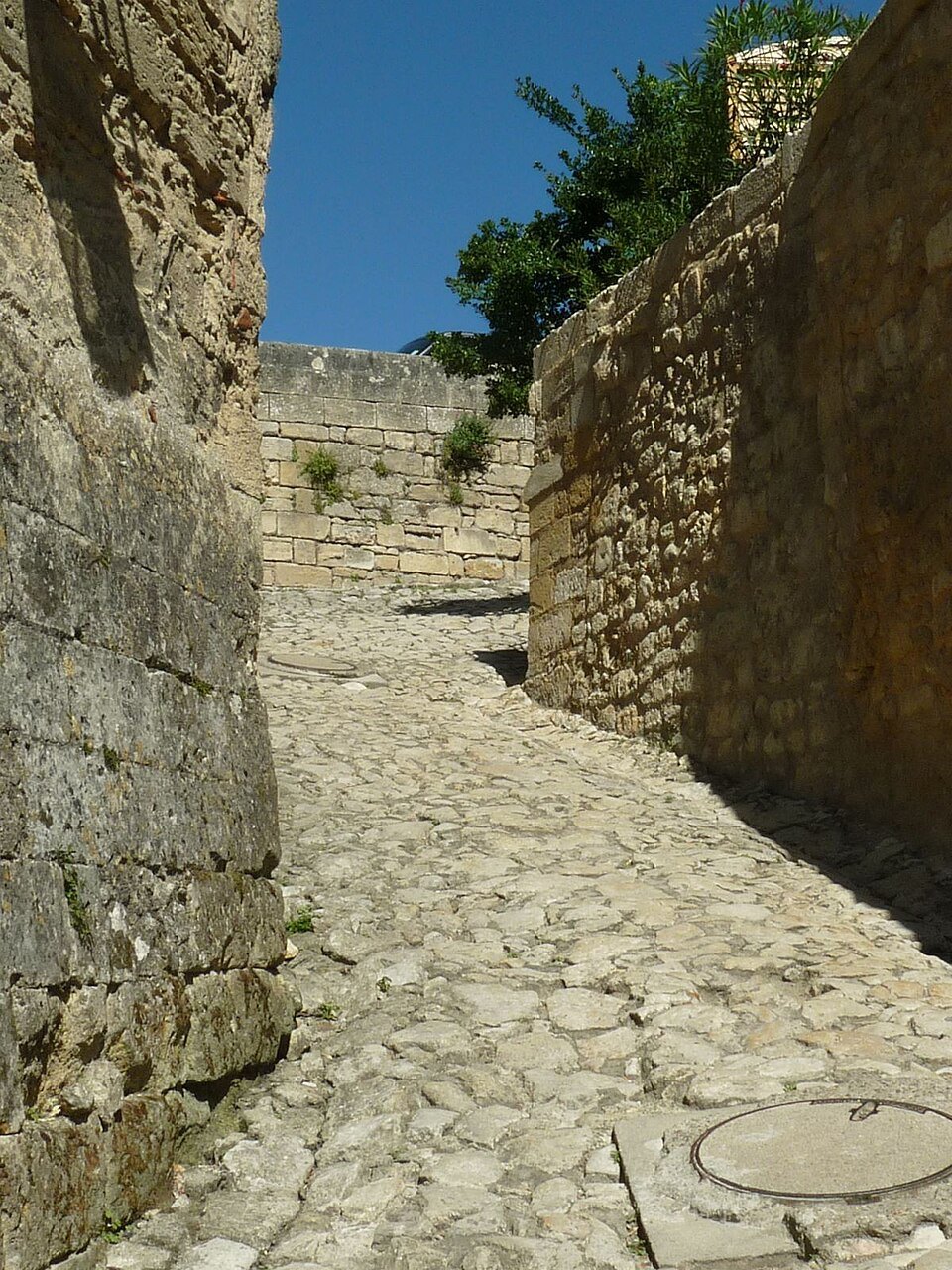
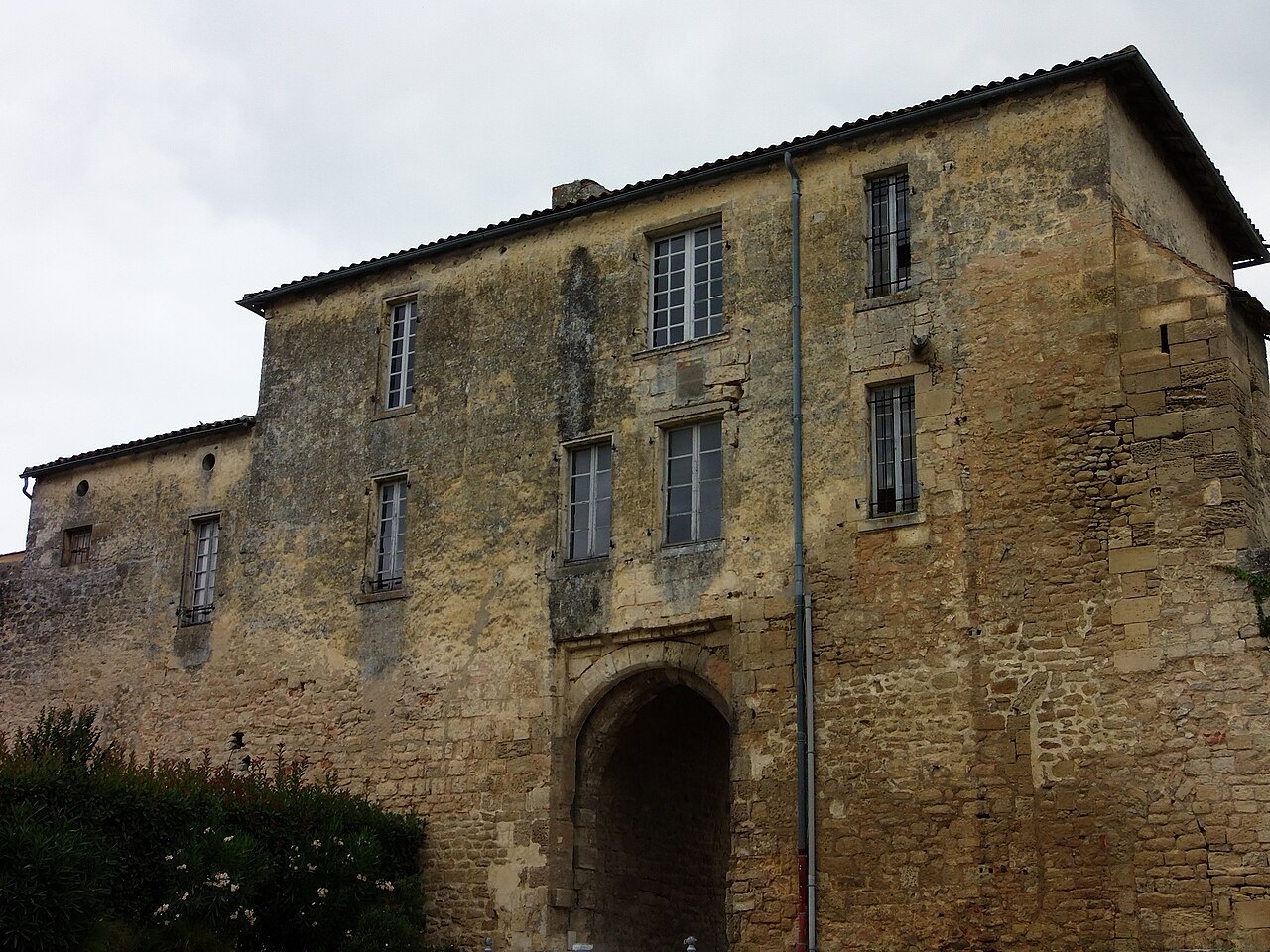
Within the enclosure stand a parade ground, a former convent, barracks built to house the garrison, and the remains of a medieval castle that predates Vauban's work by several centuries. The mixture of periods, medieval ruins standing inside a seventeenth-century fortress, is part of what makes a slow walk through the site worthwhile beyond the views over the estuary.
Specific access to individual buildings, any paid sites within the citadel, and seasonal arrangements are set by the operators of the monument, so it is worth checking directly with them before travel, particularly if a visit is built around seeing a specific part of the complex rather than simply walking the ramparts.
A Vauban site on the World Heritage list
Since two thousand and eight, the citadel of Blaye has been included among the twelve major sites of Vauban's fortifications inscribed on the UNESCO World Heritage List, recognition of its place in a network of defensive architecture built across France to the same design principles under royal direction.
That listing sits alongside Bordeaux's own World Heritage inscription for the Port of the Moon, the great curve of the river around which the city grew. Visitors interested in how the Gironde shaped the region's history may want to read about that inscription before heading out to Blaye, where the same river reaches toward the sea and once needed defending along its whole length.
Blaye and the Médoc across the water
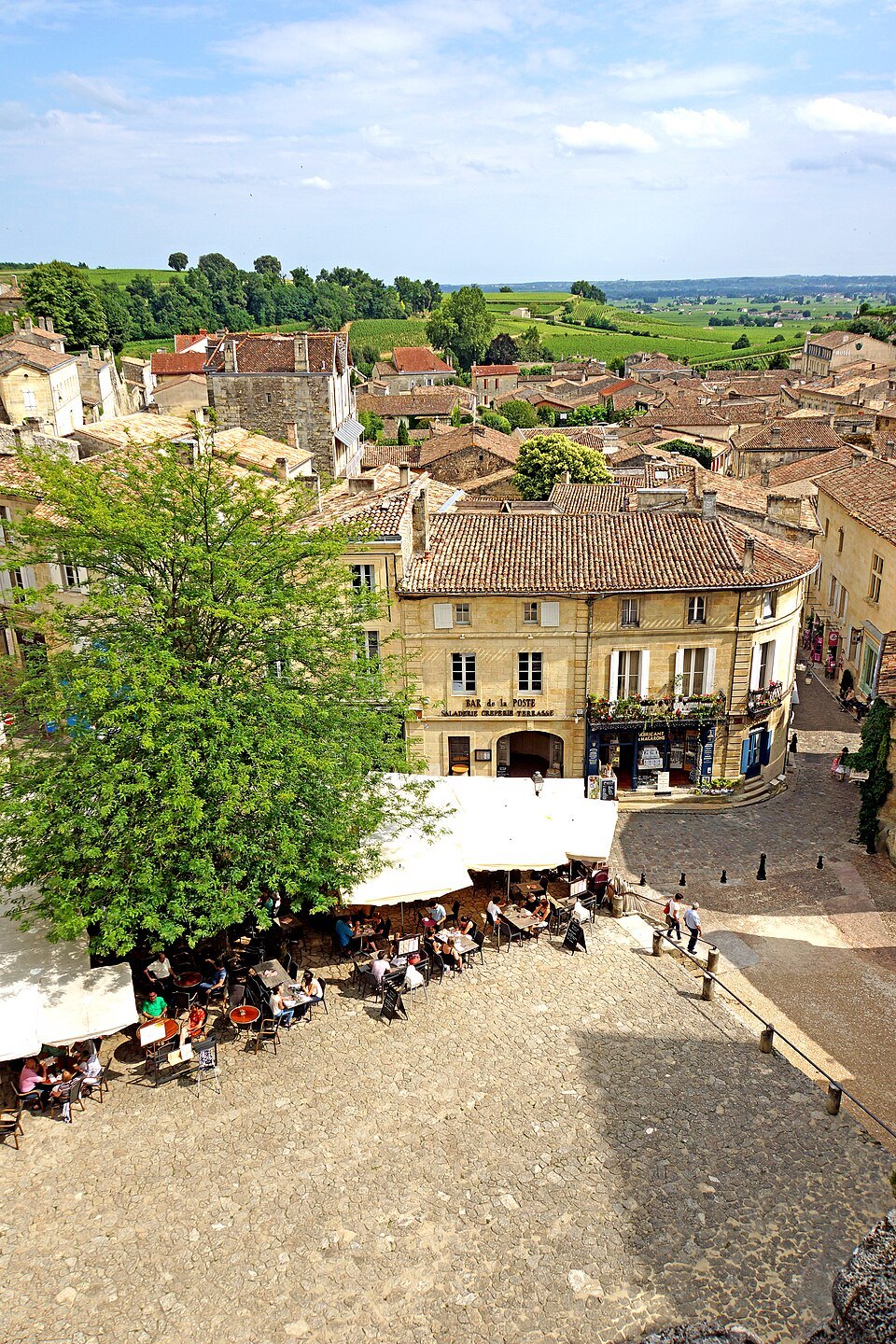
The opposite bank from the citadel is the Médoc, the flat peninsula of gravel soils and vineyards that lies between the estuary and the Atlantic. The fort built there as part of the lock faced Blaye directly across the water, and the two shores still frame the same stretch of river that once carried Bordeaux's entire seaborne trade.
For a visitor weighing day trips, the pairing is worth noting even if the two are not usually combined in a single day: Blaye looks out over the water toward the Médoc's vineyards, while the Médoc's own châteaux line the road along the estuary on the far side. Anyone deciding between the two may find it useful to read about whether the Médoc is worth a day trip before choosing.
Getting there and combining the day
Blaye has no useful train service from Bordeaux, and public transport in the surrounding area is thin, so the citadel is, in practice, a trip for drivers or for those joining an organized tour by coach. The same is true of the vineyard country that surrounds the town.
The citadel sits in the middle of the Côtes de Blaye wine region, and a morning spent on the ramparts combines naturally with an afternoon stop at a nearby estate. As with any Bordeaux-area vineyard, most estates receive visitors by appointment only, so it is worth reading about booking ahead before building tastings into the day.
Anyone weighing Blaye against the region's other classic outings, including Saint-Émilion to the east or the Médoc across the water, may find it useful to see how a single destination fits into a longer stay on the itineraries page before settling on a plan.
Planning the visit
As with the other day trips from Bordeaux, it makes sense to give Blaye a day of its own rather than trying to pair it with a second destination; the estuary and the fortress reward unhurried walking along the ramparts and around the parade ground rather than a rushed stop between other stops.
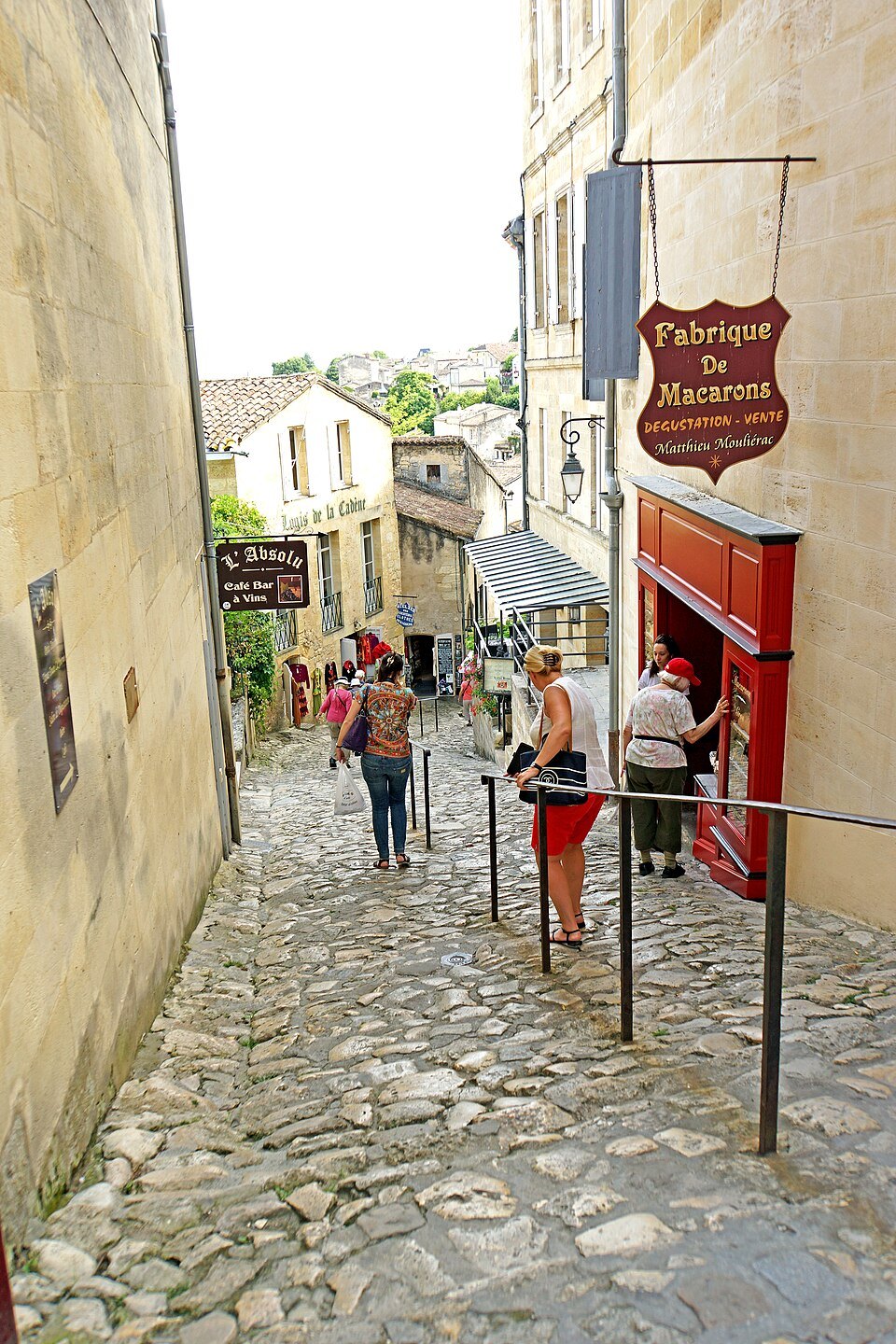
Good shoes help on the uneven stone of the walls and the medieval ruins, and water is worth carrying, since much of the citadel's open ground offers little cover. Checking road conditions, any estate appointments, and the citadel's own visiting arrangements the day before travel is the surest way to avoid surprises on arrival.
More from the journal
- Day TripsIs the Médoc worth a day trip from Bordeaux?The Médoc holds the world's most famous reds, but seeing it in a day means planning the journey before the tasting.Read the piece
- The Port of the MoonWhy is Bordeaux called the Port of the Moon?The name comes from the crescent-shaped bend of the Garonne, and it runs from the medieval arms of the city to its modern logo and its UNESCO listing. Here is where to see the curve, and why the river is the color of caramel.Read the piece